Adapting to Changes in Mortgage Rates: What It Means for Buyers
12 January 2026
Buying a home is one of the biggest financial decisions you'll ever make. And if you're in the market for a house, you’ve probably noticed how mortgage rates seem to shift like the tide. One moment, they’re low, making home-buying more affordable, and the next, they’re climbing, making monthly payments more expensive.
So, what do these rate changes mean for buyers? How can you adjust your approach to homeownership in a fluctuating mortgage market? Let’s break it down. 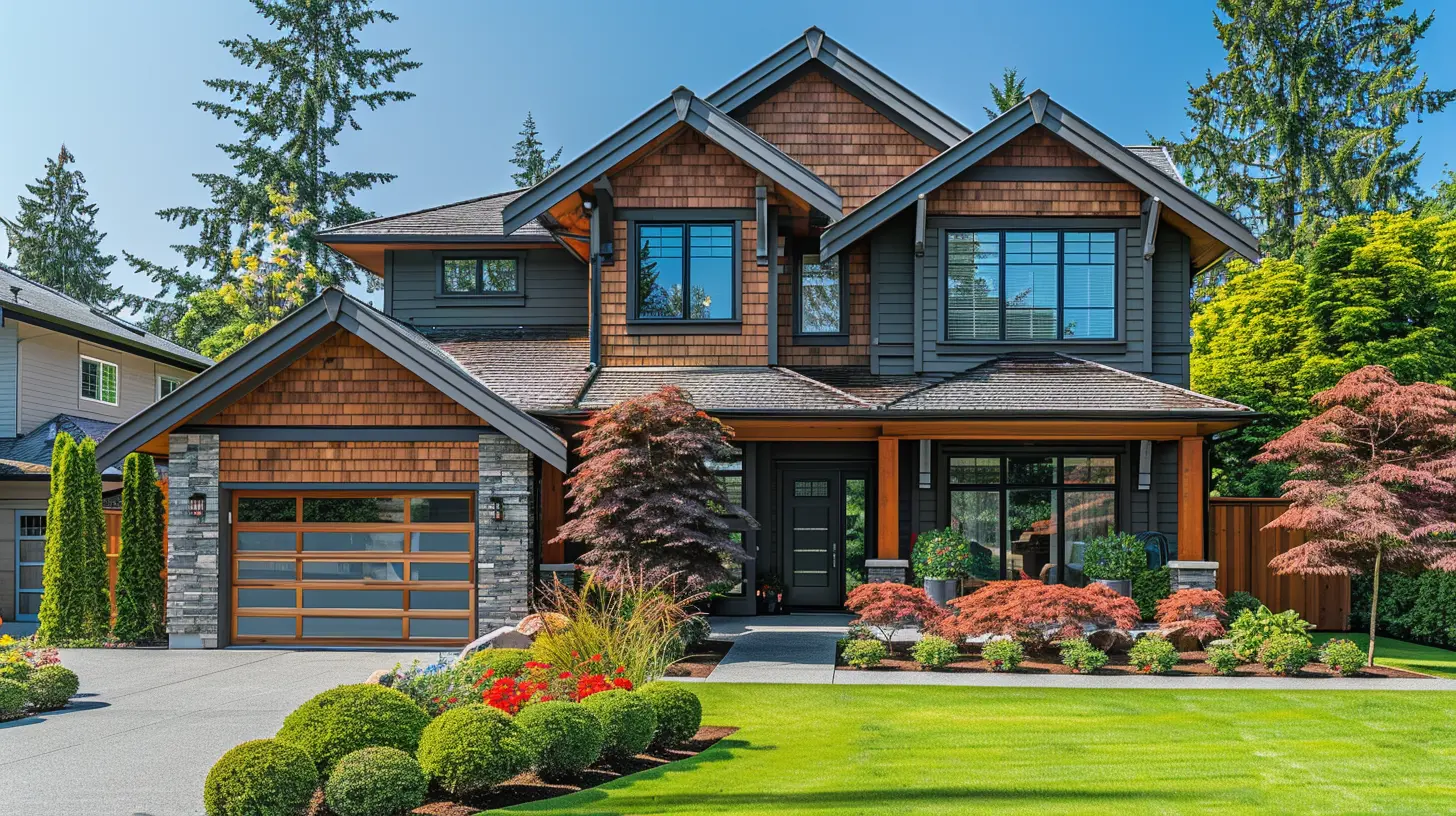
Understanding Mortgage Rate Changes
Before we talk about strategies, let's get a solid grasp of what causes mortgage rates to rise and fall. Think of mortgage rates like a seesaw—when economic conditions shift, so do the rates. The Federal Reserve plays a big role in influencing interest rates, though they don’t directly set mortgage rates. Instead, their policies, inflation, employment reports, and bond markets impact how much lenders charge for borrowing money.When the economy is strong and growing, interest rates tend to rise because demand for loans increases. On the flip side, when the economy slows down, rates often decline to encourage borrowing and stimulate growth.
But what does this mean for you as a homebuyer? It means timing the market can be tricky, and waiting for the "perfect" rate might not always be the best approach. 
How Changing Mortgage Rates Affect Homebuyers
1. Affordability and Monthly Mortgage Payments
One of the most immediate ways mortgage rate changes impact buyers is through affordability. Even a slight increase in interest rates can add hundreds to your monthly mortgage payment.For example, let’s say you’re buying a $300,000 home with a 30-year fixed mortgage:
- With a 4% interest rate, your monthly principal and interest payment would be around $1,432.
- If the rate jumps to 6%, that payment rises to $1,798—a difference of $366 per month or over $131,000 across 30 years!
That’s money that could go toward savings, home improvements, or future investments.
2. Home Buying Power Shrinks
Higher mortgage rates don’t just increase payments—they also affect how much house you can afford. When rates rise, lenders may approve you for a smaller loan amount because a larger portion of your income is now going toward interest.For instance, if you were originally approved for a home worth $400,000, an increase in rates might lower that approval to $350,000. That could mean adjusting your expectations, looking in different neighborhoods, or compromising on features you originally wanted.
3. Seller’s Market vs. Buyer’s Market
Mortgage rate shifts can also impact whether the market favors buyers or sellers.- When rates are low, more people can afford homes, leading to increased demand. This can drive up home prices as buyers compete for limited inventory. Sellers benefit because they can list their homes for higher prices.
- When rates rise, demand typically slows down, leading to longer listing times and potential price reductions. Buyers have a bit more negotiating power in this scenario.
If you're considering buying, keeping an eye on rate trends and market conditions can help you determine the best time to act. 
Strategies to Adapt to Changing Mortgage Rates
Now that we understand how mortgage rate fluctuations impact buyers, let's talk about strategies to navigate these changes.1. Lock in a Mortgage Rate Early
If you find a great rate, don’t hesitate to lock it in! Many mortgage lenders offer rate-lock options, allowing you to secure a rate for a certain period (typically 30-90 days). This protects you from potential rate hikes while you finalize your home purchase.Some lenders even offer a "float-down" option, meaning if rates drop before your loan closes, you can take advantage of the lower rate. Be sure to ask your lender about this possibility.
2. Consider Adjustable-Rate Mortgages (ARMs)
If fixed-rate mortgages are high at the time of buying, an adjustable-rate mortgage (ARM) might be worth considering. ARMs typically start with a lower interest rate that remains fixed for a few years before adjusting periodically.This can be a smart choice if:
- You plan to sell or refinance before the adjustable period kicks in.
- You expect interest rates to decrease in the future.
However, ARMs come with risks—once the fixed period ends, your rate could go up significantly. So, make sure you fully understand the terms before deciding.
3. Boost Your Credit Score
Mortgage lenders offer better interest rates to borrowers with higher credit scores. Even half a percentage point in your mortgage rate can save you thousands over the life of the loan.To improve your credit score:
- Pay off credit card balances and avoid late payments.
- Don’t take on new debt right before applying for a mortgage.
- Check your credit report for errors and dispute any inaccuracies.
4. Increase Your Down Payment
A larger down payment can help offset higher interest rates. By putting 20% or more down, you reduce the total loan amount, which means lower monthly payments. Additionally, larger down payments can help you avoid private mortgage insurance (PMI)—a fee lenders charge when you put less than 20% down.Saving for a bigger down payment might take longer, but it can make homeownership more affordable in the long run.
5. Shop Around for the Best Rates
Lenders don’t all offer the same rates. Even a small difference in rate offers can save you thousands. Get quotes from at least three to five lenders before making a final decision. Many lenders allow pre-approvals with soft credit checks, so shopping around won’t necessarily hurt your credit score.6. Consider Refinancing in the Future
If you buy a home when rates are high, don’t stress too much—you can always refinance later if rates drop. Refinancing involves replacing your current mortgage with a new one at a lower rate, reducing your monthly payments.While refinancing isn't free (closing costs apply), it can be worthwhile if you plan to stay in your home for several years. 
Should You Buy Now or Wait?
The million-dollar question: Should you buy now or wait for rates to drop?Here’s a simple way to think about it: If you can afford a home that meets your needs today, it might not make sense to wait. Home prices might continue rising, even if rates fluctuate. Additionally, renting while waiting for better rates could mean spending thousands without building equity.
But if higher rates significantly impact your budget and flexibility, waiting and saving for a larger down payment might be a smart move. It all depends on your financial situation and long-term plans.
Final Thoughts
Navigating changes in mortgage rates can feel overwhelming, but with the right strategy, you can still make a smart home-buying decision. Instead of stressing over every slight increase or decrease, focus on what you can control—your credit score, down payment, and loan options.At the end of the day, buying a home is a personal journey. Whether rates are rising or falling, being well-prepared will always put you in the best position to succeed.
all images in this post were generated using AI tools
Category:
Real Estate MarketAuthor:

Eric McGuffey
Discussion
rate this article
2 comments
Preston McKenzie
This article expertly outlines how fluctuating mortgage rates impact buyer decisions, emphasizing the importance of market awareness and strategic planning to optimize financing options. Great insights!
January 28, 2026 at 3:47 AM
Eric McGuffey
Thank you for the feedback! I'm glad you found the insights valuable. Understanding mortgage rate fluctuations is crucial for buyers.
Esme Mullen
Great insights on the impact of fluctuating mortgage rates! Your analysis provides valuable guidance for potential buyers navigating this dynamic market. Understanding these changes is crucial for making informed decisions. I appreciate the practical tips and strategies shared in the article—it will undoubtedly help many in their home-buying journey.
January 15, 2026 at 3:51 AM
Eric McGuffey
Thank you for your kind words! I'm glad you found the insights and tips helpful for navigating the current mortgage landscape. Happy house hunting!