Fear, Greed, and the Stock Market: How Emotions Drive Financial Markets
1 August 2026
Welcome aboard this emotional roller coaster we lovingly call the stock market! Buckle up, because today we’re diving into a world where logic often takes a back seat to impulse, and where fear and greed co-pilot the economy. Sounds dramatic? That’s because it is.
If you've ever watched the market tank and felt the urge to sell everything and hide under your bed, or if you've jumped on a surging stock just because everyone else is doing it — congrats, you're human. And this article is for you.
Let’s unpack how two primal emotions — fear and greed — shape financial markets more than most of us are willing to admit.
What’s the Big Deal About Emotions in the Stock Market?
Let’s be real for a second — when was the last time you made a completely emotionless decision? We make impulsive choices daily. Doughnuts for breakfast? Boom — greed. Skipping the gym again? Hello, fear (of soreness). So it’s no surprise that emotions creep into money decisions too — especially in the stock market, where fortunes can be made or lost faster than you can say "market correction".But here’s the kicker: Emotions don’t just influence personal investing decisions. They create tidal waves that move the entire market.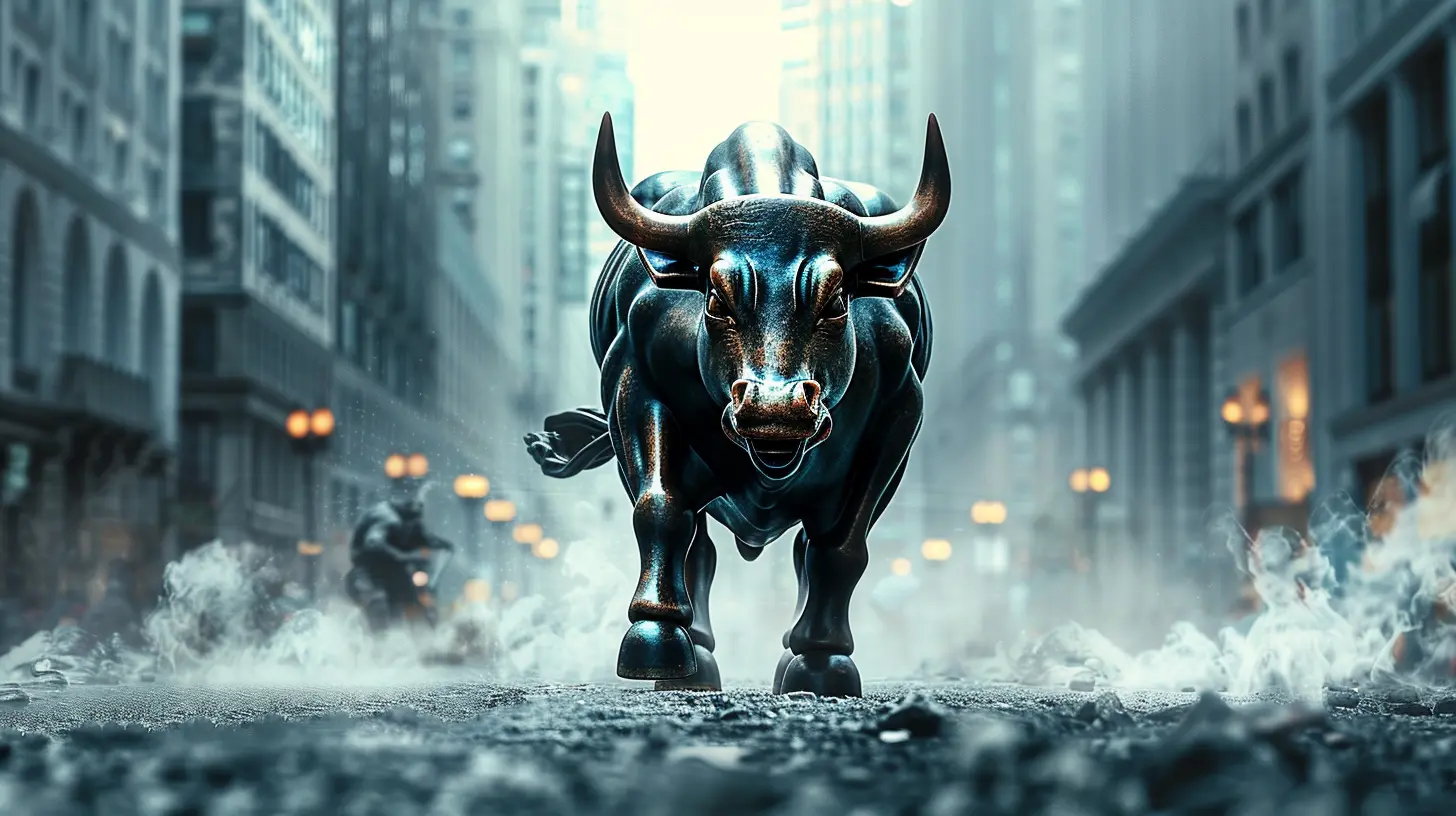
The Psychology Behind the Madness
At its core, the stock market is one gigantic social experiment. Millions of people making decisions based on expectations, predictions, headlines, gut feelings, and yes — often wild speculation. So when emotions come into play, the results can be downright irrational.Greed: The “Buy Now or Cry Later” Emotion
Greed whispers sweet nothings into investors' ears like, “It’ll go even higher,” or “You’ll miss out if you don’t buy NOW.” We call this good old-fashioned FOMO — Fear of Missing Out. It’s like that friend who convinces you to invest in crypto at its all-time high because “it’s only going up from here.”Greed fuels bull markets. When prices rise, investors pile in hoping to ride the wave. And as the hype builds, so does the price — until reality checks in.
Remember the dot-com bubble? Everyone was throwing money at internet companies that had nothing but a ".com" in their name. Spoiler alert: it didn’t end well.
Fear: The “Run for Your Life” Reflex
Fear, on the other hand, makes investors panic at the first sign of trouble. A bad earnings report? Sell. A tweet from a CEO? Sell. Mercury is in retrograde? Better sell.Fear drives market crashes. When panic spreads, selling becomes contagious. The result? A downward spiral that feeds on itself, even when fundamentals haven’t changed all that much.
Case in point: The 2008 financial crisis. Once fear took over, even healthy stocks got hammered. Why? Because when the ship’s going down, no one wants to be the last one swimming.
Greed and Fear: Market's Favorite Puppeteers
If you were hoping for a market driven solely by numbers and facts, I’ve got bad news. Greed and fear are the invisible hands pulling the strings — and sometimes, they throw a tantrum.The Greed-Fear Cycle
Think of the market like a pendulum swinging between optimism and pessimism:- Optimism leads to greed → stock prices soar.
- Prices hit new highs → investors expect more → bubble forms.
- Reality hits, or worse, bad news arrives → sudden drop.
- The drop causes fear → panic selling begins.
- Market hits bottom → cautious buying resumes → cycle restarts.
It’s like Groundhog Day, but with your money.
Why Smart People Still Do Dumb Things
You might think professional investors — with their degrees, suits, and spreadsheets — would be immune to emotional investing. Spoiler: they’re not.Even the pros fall victim to their own cognitive biases. Let’s walk through a few of the psychological traps investors (yes, even the smart ones) fall into:
1. Herd Mentality
“I don’t know why we’re buying this, but everyone else is, so…” Sound familiar?People love to follow the crowd. It feels safer. But in the market, the herd often runs right off a cliff. Think GameStop and AMC. Rational decision-making took a vacation while Reddit-fueled hype ran the show.
2. Loss Aversion
Strangely enough, people hate losing money more than they love making it. Studies show losses sting twice as much as gains feel good. So what do investors do? They cling to losing stocks too long, hoping to break even. Meanwhile, they sell winners too early just to lock in gains.Not exactly a recipe for success.
3. Overconfidence
Everyone thinks they're the next Warren Buffett after a few good trades. But overconfidence leads to risky bets and — you guessed it — big losses. Emotions make us believe we're invincible... until we’re not.Emotions Meet Algorithms: Machines Feel Nothing… Right?
Now you might be thinking, "Okay fine, people are emotional. But what about algorithmic trading? Cold, calculated, no emotions?"Sure, machines aren’t emotional. But guess who programs them? Humans. Emotional humans.
Plus, algorithms often react to human behavior indicators — volume surges, rapid price drops, news headlines — which are usually spurred by (you guessed it) fear or greed.
So even the robots can’t completely escape the emotional whirlwind. Skynet, meet Wall Street.
So, Is Emotional Investing Always Bad?
Not necessarily. Emotions aren’t evil. In fact, they can be helpful indicators — if you learn to interpret them correctly.Greed Can Be Good... In Moderation
A little optimism can lead to innovation and risk-taking, which the market needs. If no one ever took a chance, we wouldn't have companies like Tesla or Amazon.But when greed goes unchecked, it leads to unrealistic expectations and overpriced assets.
Fear Can Protect You
Fear can be a life-saver when it signals real danger. Sometimes the market does tank for good reasons. Fear can prompt you to reassess your strategy or diversify your portfolio.The trick is knowing when the fear is rational vs. when it’s just noise (or a sensational headline).
How to Keep Your Emotions in Check (Without Becoming a Robot)
Okay, enough doom and gloom — how can you keep your cool while the market acts like a caffeinated toddler?1. Have a Plan
Before you invest, know your goals. Are you saving for retirement in 30 years or trying to buy a yacht by next summer? Your timeline should guide your decisions — not your emotions.2. Set Rules for Buying and Selling
Establish buy/sell triggers based on logic, not feeling. For example:- “I’ll sell if the stock drops 20%.”
- “I’ll buy more only after three consistent quarters of growth.”
This prevents panic decisions in the heat of the moment.
3. Diversify Like a Pro
Don’t put all your emotional eggs in one basket. Spread your investments across sectors and asset types. That way, when one part of the market freaks out, others keep you grounded.4. Tune Out the Noise
Financial news thrives on drama. “Dow Plummets 500 Points in One Day!” they scream. What they don’t mention is the next day’s rebound — or that 500 points may only be a 1% move.Stay informed, but don’t binge headlines like Netflix.
The Bottom Line: Emotions Drive Markets — But They Don’t Have to Drive You
The stock market isn’t a rational entity. It’s a living, breathing beast driven by human hopes, dreams, fears, and sometimes, plain ol’ nonsense.Greed and fear are powerful forces. They shape bubbles and crashes. They create opportunities and disasters. But they don’t have to control you.
Understanding how emotions move the market can make you a smarter, calmer investor. The next time things get volatile, take a breath. Check your plan. Resist the urge to panic — or jump blindly on the next hot stock.
And remember: In the end, the market is just a mirror. It reflects us — all our brilliance, madness, greed, and fear.
So go ahead, invest smart. But every now and then, check your feelings at the door.
all images in this post were generated using AI tools
Category:
Behavioral FinanceAuthor:

Eric McGuffey
Discussion
rate this article
1 comments
Malia White
Understanding the interplay between fear and greed is crucial for investors. These emotions often lead to irrational decisions, amplifying market volatility. A disciplined approach that prioritizes data over emotion can help mitigate risks and enhance investment outcomes.
August 13, 2026 at 3:20 AM
Eric McGuffey
You're right. Recognizing how fear and greed influence our decisions is essential. Staying disciplined and data-driven can significantly improve our investment strategies. Thanks for your insight!