How Climate Change Is Impacting Coastal Real Estate Markets
17 September 2026
The thought of owning a beach house or a property with an ocean view is a dream for many. The sound of waves crashing, morning walks on the sand, or simply sipping coffee while watching the sunrise — it all sounds like a slice of heaven. But what if that dream property is slowly becoming a nightmare?
Yup, we’re talking about climate change and its not-so-silent attack on coastal real estate markets. It’s no longer just an environmental issue; it’s a growing financial concern that’s impacting homeowners, investors, and entire communities.
Let’s break down what’s going on and how climate change is shaking up these once-coveted coastal markets.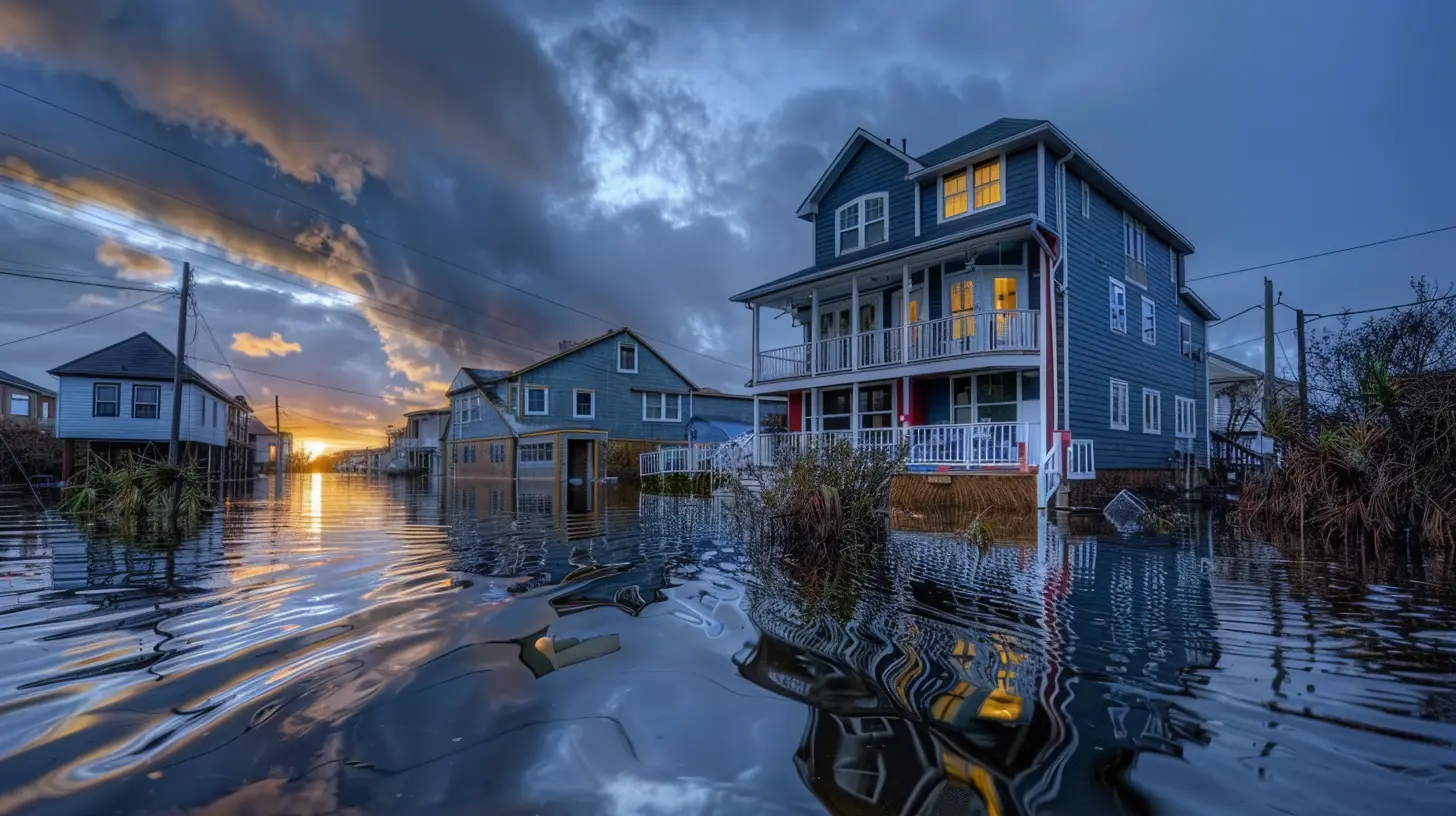
Rising Sea Levels: The Unwelcome House Guest
First things first — sea levels are rising, no doubt about it. According to NASA, global sea levels have risen about 8 inches since 1880, and the pace is speeding up. More water means more problems, especially if your property is sitting just a few feet above sea level.What Does This Mean for Coastal Real Estate?
Imagine investing your life savings into a beach house, only to find out a decade later that it’s at risk of flooding — or worse, being completely underwater. It’s like putting your money into a beautiful sandcastle, only to watch the tide come in.Properties that once fetched premium prices are now losing value due to flood risks and insurance headaches (we’ll talk more about that in a bit). In some areas, real estate values are dropping because future buyers are wary of these worsening risks.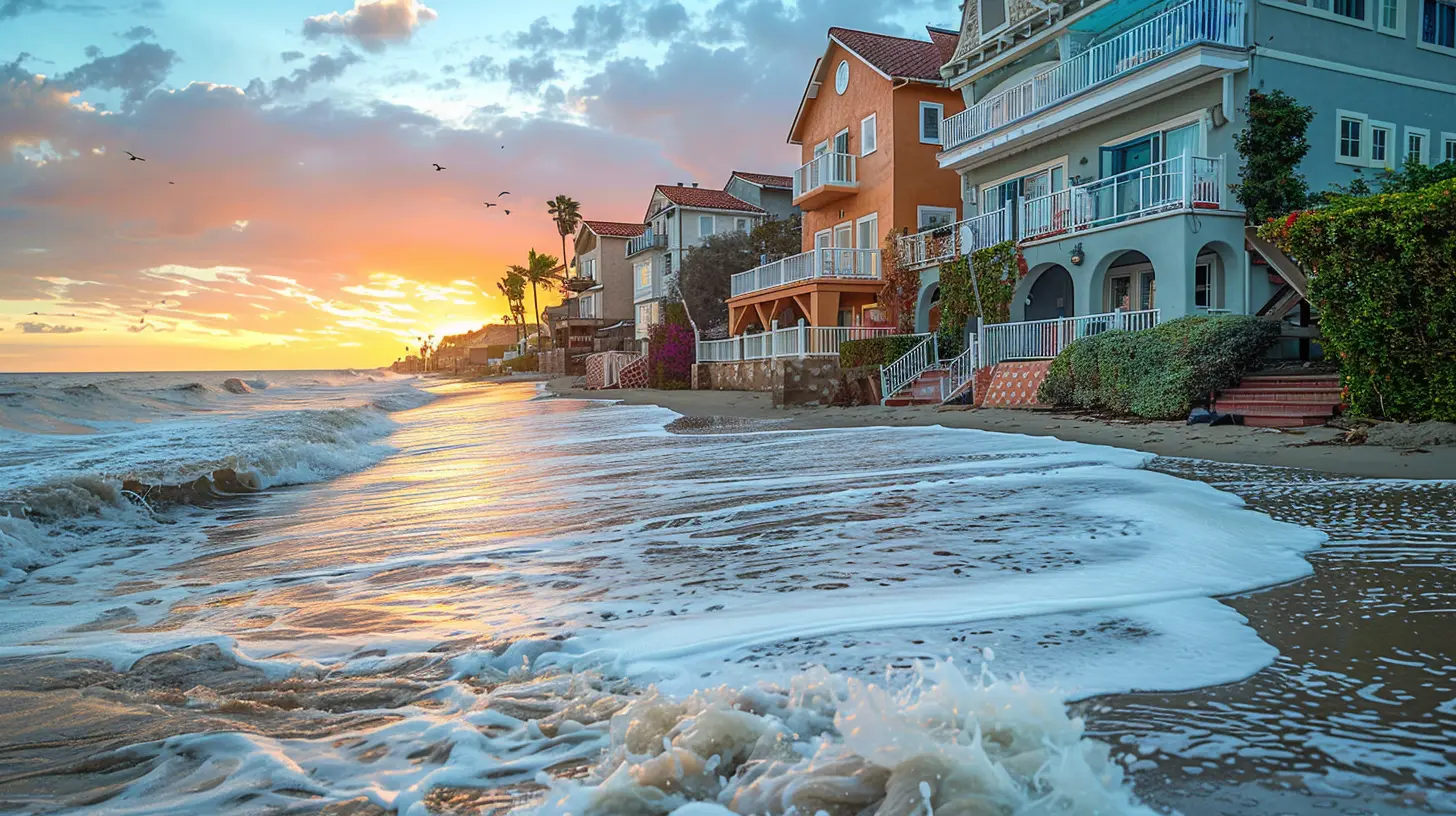
Flooding: Not Just a Rainy Day Issue
Flooding used to be rare — something that happened during freak storms or once-in-a-century events. But guess what? Those "once-in-a-century" floods are now happening every few years thanks to climate change.Coastal regions are experiencing both tidal flooding (aka sunny-day flooding) and storm surge flooding more often.
The Real Estate Rabbit Hole
Frequent flooding does more than just wet your socks. It chips away at property value. It scares off buyers. It cranks up maintenance and repair costs. And it makes reselling that property a tough sell.Real estate isn’t just about location anymore — it’s also about elevation, infrastructure, and resilience.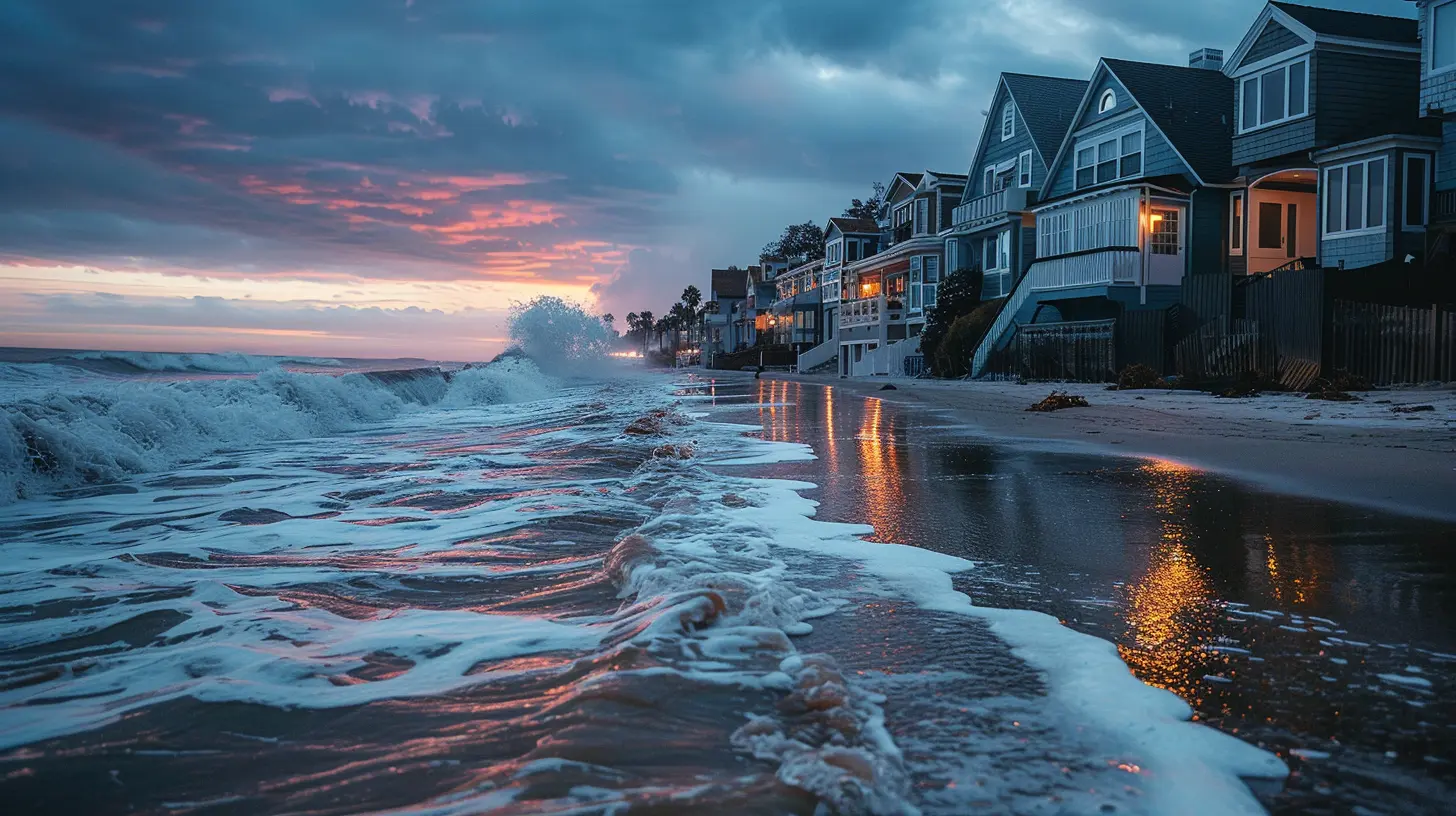
Insurance Costs Are Skyrocketing
If you own a house, you know insurance is a must-have. But coastal homeowners are paying through the nose for it. Why? Because insurers aren’t dumb. They’re adjusting premiums based on increasing risks tied to climate change.The Cost of Staying Insured
Insurers are hiking rates or, worse, refusing to cover properties in high-risk areas altogether. This makes it tougher for owners to protect their investment. It also deters potential buyers, who don’t want to pay thousands more a year just to keep their house insured.In some places like Florida and Louisiana, insurance premiums have doubled or even tripled within just a few years. That’s enough to put a serious dent in your monthly budget — or your retirement dream.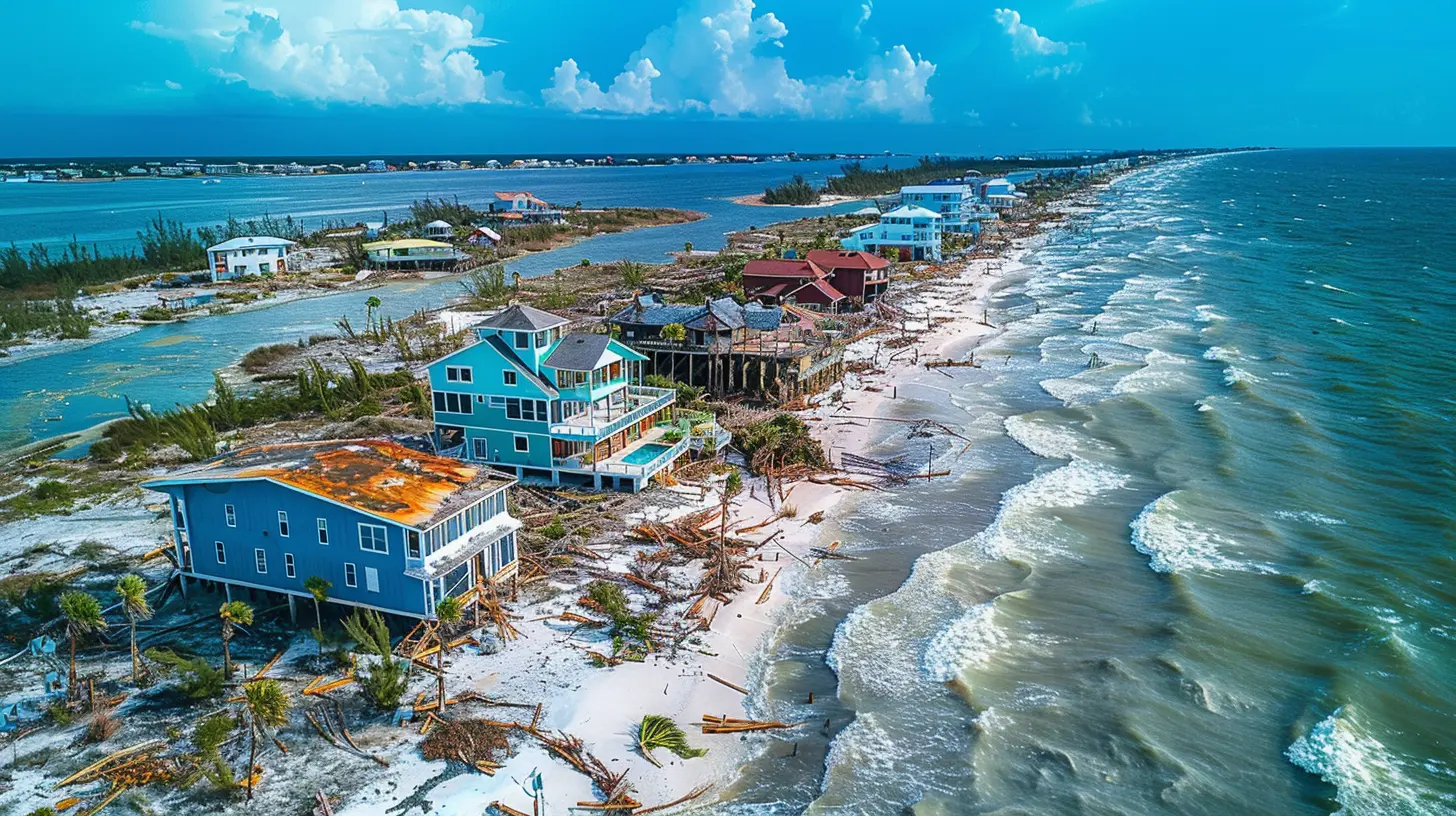
Property Values Are Slipping
Let’s face it — buyers do their homework. With online tools and climate risk scores readily available, more people are asking tough questions before signing on the dotted line.If a property is likely to flood, requires high insurance, or is in a community that lacks climate adaptation plans, you can bet it’s not going to command top dollar.
The Shift Is Already Happening
Recent studies show that homes exposed to sea-level rise are already selling at a discount compared to similar homes on higher ground. It’s a slow shift, but it’s gaining momentum. And once the tipping point hits, values could plummet quickly, especially in markets that haven’t adapted.Migration Trends: People Are Moving
It’s called "climate migration" — the slow and steady movement of people away from high-risk coastal areas to safer inland locations. It’s not exactly a stampede, but it’s noticeable.Telltale Signs of Change
Cities that were once booming with beachside developments are now seeing population stagnation or decline. Meanwhile, places farther inland are experiencing a real estate boost from folks seeking safer ground.This shift in demand is reshaping the real estate landscape. Coastal towns that once depended on tourism and seasonal residents are facing new challenges: declining tax revenues, rising infrastructure costs, and uncertain futures.
Infrastructure Is Under Pressure
Let’s say your coastal home is still safe — for now. But what about the roads that lead to it? The sewer systems? Power lines? Emergency services?The Hidden Costs of Coastal Living
Climate change doesn’t just affect homes — it puts a huge strain on local infrastructure. Towns and cities are being forced to invest in seawalls, flood gates, and stormwater management systems just to keep functioning.And guess who’s footing the bill? Yup, it eventually trickles down to homeowners through taxes, special assessments, or increased service fees.
Investors Are Getting Nervous
Institutional investors, hedge funds, and even large REITs are starting to pay very close attention to climate risk. And many are pulling out of high-risk areas entirely.Why That Matters to You
When big money leaves the market, it sends a signal. It means fewer development projects, less community investment, and declining economic activity. For homeowners, that's a potential triple whammy: falling property values, disappearing buyers, and rising costs.Adaptation and Resilience: The New Buzzwords
It’s not all doom and gloom. Some communities are fighting back with smart planning and resilience strategies. They’re building higher, reinforcing shorelines, and updating building codes to handle future risks.Smart Buyers Are Watching
Properties in communities that are actively adapting to climate change are more likely to hold their value. Buyers are more willing to invest if they see that a long-term plan is in place.In other words? Climate resilience could become a new selling point — right next to ocean views and granite countertops.
What Can Homeowners and Buyers Do?
If you're already a homeowner in a coastal area or planning to buy, there are steps you can take to protect your investment.Do Your Homework
- Check flood maps and sea-level projections.- Understand your insurance options and costs.
- Look into local climate adaptation plans.
- Hire inspectors who specialize in climate risks.
Think Long-Term
Don’t just think about whether a house looks good or fits your budget today. Ask yourself: will this property still be livable and valuable 10–20 years from now?The Bottom Line
Climate change isn't just an environmental issue or something for scientists to debate. It's very real, and it’s hitting coastal real estate markets in powerful — and costly — ways.Whether you're a buyer, a homeowner, or an investor, ignoring this trend is like ignoring the weather report when there’s a hurricane warning. Sure, the sun might still be shining today, but the storm is on the horizon.
So, is that beach house still worth it? Maybe. But only if you go in with your eyes wide open and your floaties on standby.
Final Thoughts
Coastal properties have long been seen as idyllic investments, but the tides are turning — literally and figuratively. Climate change is reshaping the real estate market in ways that future-proof buyers can’t afford to ignore.It’s a new era of real estate, where resilience matters as much as curb appeal. The question isn’t just where to buy, but whether it’ll still be standing — and desirable — decades from now.
So next time someone says, “Location, location, location,” you might wanna ask: “Elevation, elevation, elevation?
all images in this post were generated using AI tools
Category:
Real Estate MarketAuthor:

Eric McGuffey