How Millennials Are Reshaping the Housing Market
13 April 2026
The real estate world is going through a major facelift—and guess what? Millennials are calling the shots. Born between 1981 and 1996, this generation has gone from “you’ll never own a home” to “we’re doing it... differently.”
Let’s not sugarcoat it—the housing market is tough. Skyrocketing prices, student loan debt, and now inflation? It’s been a roller coaster. But despite the odds, millennials are making moves, and they're doing it on their own terms. How exactly? Let’s dig in.
Who Are Millennials, Really?
Before we jump into real estate trends, let’s break down who these millennials are.They're digital natives. They grew up with dial-up internet and now run their lives from smartphones. They've watched the world change—from floppy disks to TikTok. And economically? They’ve been handed a weird deck: entering adulthood during the Great Recession, amassing record levels of student debt, and dealing with stagnant wages.
But they’re also highly educated, socially conscious, tech-savvy, and—perhaps most importantly—resilient.
Why They Were Late to the Real Estate Game
Okay, let's admit it: millennials were late bloomers when it came to buying homes. And honestly? Can you blame them?Between trying to pay off student loans (hello, monthly payments that feel like car payments), chasing jobs in expensive cities, and watching housing prices climb faster than paychecks, buying a house just felt... impossible.
Plus, lifestyles changed. Many millennials delayed marriage, had children later, and prioritized experiences over assets. Living in an Airbnb in Bali for a month was way more appealing than committing to a 30-year mortgage, right?
But here's the twist: they didn’t give up on homeownership. They just redefined it.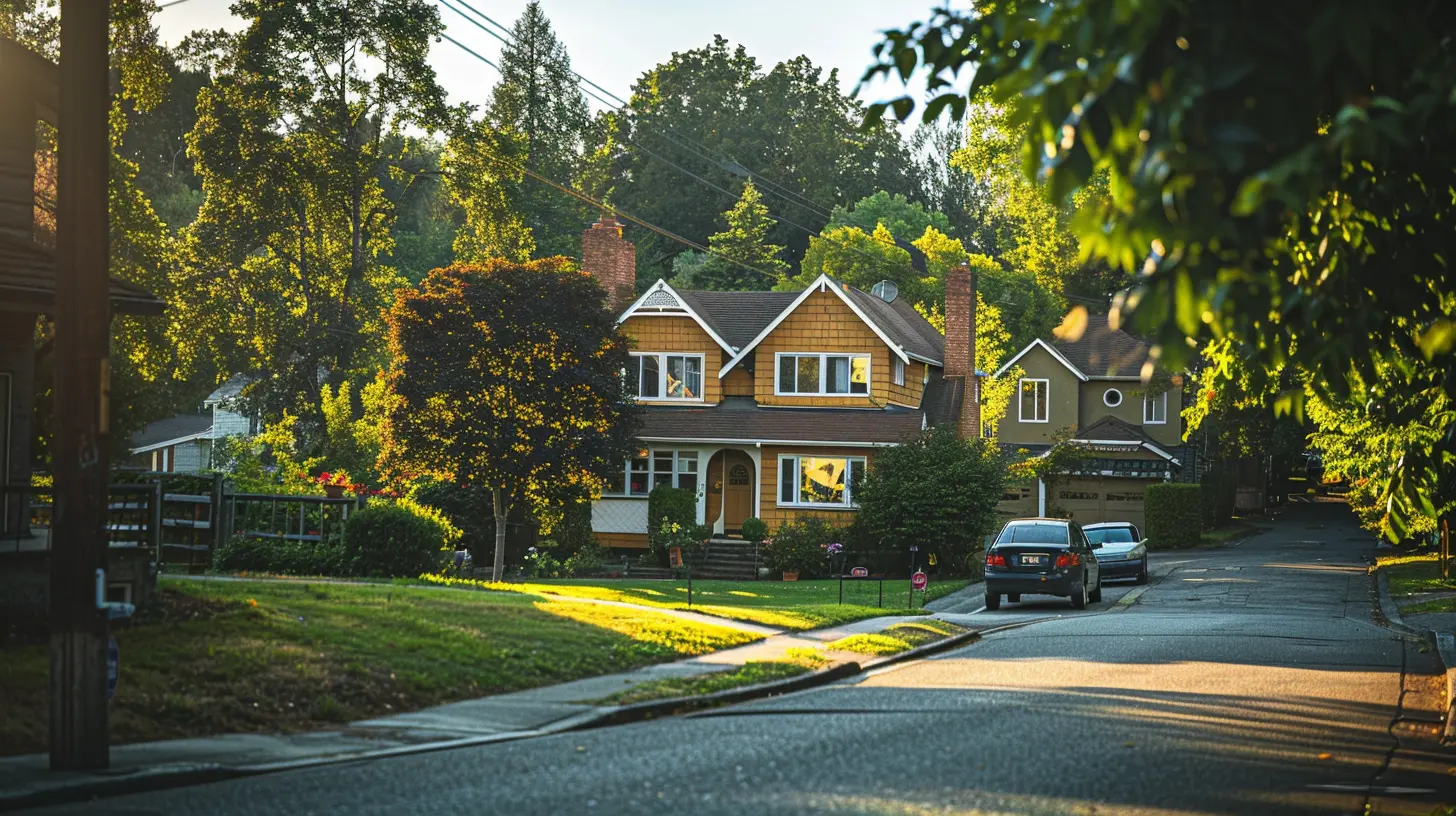
Buying Differently: The Millennial Mindset
Unlike previous generations, millennials aren’t just looking for the biggest house on the block with a white picket fence. They're all about flexibility, practicality, and smart investments. Let’s break that down:1. Smaller Spaces, Smarter Living
Millennials are rejecting the “bigger is better” idea. Instead, they value efficient spaces, thoughtful design, and multi-functional rooms. Open floor plans? Yes, please. Massive formal dining rooms that get used once a year? Not so much.They’re opting for condos, townhouses, and even tiny homes over sprawling suburban mansions. Space matters, but only if it makes sense.
2. Location, Location… and Wi-Fi?
Remote work changed the game. With WFH becoming the norm, millennials are ditching the big cities in favor of smaller towns with a lower cost of living. Why pay $3,000 a month for a studio in San Francisco when you can own a whole house in Boise?But don’t think they’re going rural without conditions. Good Wi-Fi, decent coffee, and community vibes are non-negotiables. They want charm and tech, not isolation.
3. Turnkey vs. Fixer-Upper
You’d think a generation raised on HGTV would be all about DIY renos, right? Well, not quite.Many millennials prefer move-in-ready homes. They’re busy, overworked, and not super keen on spending weekends sanding cabinets. But if the price is right, they’re open to rolling up their sleeves—just don’t expect an entire gut-job.
Digital Natives, Digital House Hunters
Here’s where things get really interesting. Millennials are using tech to take control of the home-buying process.Online Listings Dominate
Redfin, Zillow, Realtor.com—these sites are like Netflix for house hunting. They’ll scroll for hours, bookmark favorites, and compare down to the square footage. Virtual tours? Huge time-saver. Drone footage of the backyard? Even better.Social Media as a Home Search Tool
Believe it or not, some millennials are discovering listings through Instagram or TikTok. Real estate influencers, walkthrough videos, and hashtagged neighborhood tours let buyers scope out homes like never before.Mortgage Apps and Digital Closings
Gone are the days of faxing paperwork and signing with pens. Millennials expect the mortgage process to be digital, fast, and transparent. Services like Rocket Mortgage and Better.com streamline everything—from pre-approval to closing.Sustainability Matters More Than Ever
Millennials grew up hearing about “global warming.” Now, it's “climate crisis.” So naturally, eco-friendly living is a big part of their housing choices.Energy Efficiency
They’re looking at solar panels, energy-efficient appliances, double-pane windows, and smart thermostats. Not just for the environment—but for the savings.Walkability and Public Transit
Sprawling suburbs with no sidewalks? Nope. Millennials value neighborhoods where they can walk to shops, bike to work, or hop on a train. Convenience meets carbon footprint reduction.Renting, Co-Owning, and the Rise of Alternative Models
Not every millennial is buying—at least not solo. Financial constraints and creative solutions are giving rise to alternative paths into the market.Renting with Intent
Long-term renting doesn’t mean failure for this generation. Some see it as freedom: less maintenance, fewer strings attached, and more cash for investing elsewhere.Co-Buying and Shared Equity
Best friends buying homes together? It’s a thing now. Sibling purchases, even co-investments with parents, are helping millennials unlock homeownership. Shared equity programs are also gaining traction—allowing buyers to team up with investors or agencies.Real Estate as an Investment
For many, buying a home isn’t about settling down—it’s a financial move. Millennials are viewing property like a stock: something to grow wealth or generate income. Airbnb hosting, house hacking (living in one unit, renting out the others), and multi-family units are particularly popular.The Influence of Student Debt
Let’s talk about the elephant in the room: student loans. Millennials hold a record-shattering amount of it. And it’s affecting everything.Many delay buying because they think they won’t qualify for a mortgage. Others use savings for loan payments instead of a down payment. And even when they do buy, it’s often with smaller budgets and tighter margins.
Still, this generation is persistent. Many use side gigs, debt consolidation, and financial literacy tools to chip away at that mountain of debt.
Putting Off the White Picket Fence (But Not Forever)
Millennials aren’t rushing into homeownership the way previous generations did. Marriage, kids, and mortgages often come later—but they still come.And honestly? That’s not a bad thing.
Later buyers tend to be more informed, more stable, and more intentional in their decisions. It’s less about “checking a box” and more about building a foundation that genuinely fits their life.
What This Means for the Housing Market
So, how are millennials reshaping the whole housing market? Here’s the bottom line:- Developers are adapting. Expect more compact, functional housing in walkable areas. New builds are incorporating smart tech and sustainable features by default.
- Technology is now core. Real estate agents, brokers, and mortgage lenders are going digital or getting left behind.
- Financial services are evolving. Lenders are creating first-time buyer incentives, student loan-friendly qualifications, and app-based services to appeal to younger crowds.
In short: the housing market is bending to meet millennials where they are.
Final Thoughts
Millennials aren't killing the housing market—they're reinventing it. Yes, they’ve come into homeownership later and under tougher conditions. But they’ve brought fresh priorities: flexibility, sustainability, tech integration, and creative financing.They don’t just want homes—they want homes that make sense for their lifestyle, values, and future. And they’re not afraid to rewrite the rules to get there.
So if you’re in real estate, finance, or even just curious about where the market’s heading—keep an eye on millennials. They're not just buying homes. They’re building the blueprints for what comes next.
all images in this post were generated using AI tools
Category:
Real Estate MarketAuthor:

Eric McGuffey
Discussion
rate this article
2 comments
Gabriella McQuade
Oh great, millennials are reshaping the housing market. Next, they'll probably start teaching us how to afford avocado toast on a budget... genius!
June 23, 2026 at 3:12 AM
Eric McGuffey
Thanks for the laugh! Millennials are definitely bringing fresh ideas to the housing market.
Felicity Taylor
Millennials might be reshaping the housing market, but let’s be real: we’d rather spend our savings on avocado toast and streaming subscriptions than a white picket fence! Who knew adulting would involve debating whether to buy a house or a lifetime supply of lattes?
April 15, 2026 at 4:52 AM
Eric McGuffey
It's true, balancing short-term pleasures with long-term investments can be tough. But as we navigate our priorities, the housing market is definitely feeling the shift. Who knows what the future holds?