How to Review Your Monthly Expenses and Make Smarter Decisions
22 May 2026
Do you ever feel like your paycheck disappears faster than you can say “budget”? If your financial goals seem to always be out of reach, it might be time to sit down, grab a cup of coffee, and give your monthly expenses a hard look. Learning how to review monthly expenses and make smarter decisions isn’t just about cutting back on lattes or skipping the occasional Amazon splurge. It’s about understanding where your money is going and how to take control of your finances without feeling deprived.
It’s not rocket science, but it does require some effort. The good news? You don’t need a degree in finance to master this skill. Let’s break it down step by step so you can build a financial plan that makes sense for you. 
Why Reviewing Your Expenses is Crucial
Let’s get real for a second: your money is your ticket to freedom, security, and all those dreams you’ve been chasing. But if you’re not keeping track of where it’s going, you might as well be throwing it into the wind.Reviewing your monthly expenses is like giving your finances a health check-up. Are you spending more than you earn? Are you wasting money on things you don’t even use? Do you have enough left over for your savings or investments? These are the kinds of questions a financial review answers.
Think of it like cleaning out your closet—sure, it’s a bit of a hassle at first, but once you’ve sorted everything, you’ll feel lighter and more in control. 
Step 1: Gather Your Financial Data
First things first: you can’t fix what you don’t measure. To get started, you’ll need to gather every piece of information about your income and expenses. That means pulling out:- Bank statements
- Credit card bills
- Utility bills
- Loan or mortgage statements
- Receipts (if you’ve been holding onto them)
Pro tip: If you’re someone who never remembers to keep receipts, download a budgeting app or use your bank’s expense tracker. Many of them automatically categorize your spending, saving you tons of time. 
Step 2: Categorize Your Expenses
Once you have all your data in one place, it's time to sort it into categories. Think of this like creating buckets for your money. Common categories include:- Housing: Rent or mortgage, property taxes, maintenance fees, utilities.
- Transportation: Gas, public transit, car payments, insurance, maintenance.
- Groceries: Food, drinks, household items.
- Debt Repayment: Credit cards, student loans, personal loans.
- Entertainment: Streaming subscriptions, dining out, hobbies, weekend activities.
- Savings and Investments: Emergency fund, retirement accounts, stock market contributions.
- Miscellaneous: Everything else—gifts, clothing, personal care, etc.
By doing this, you’ll get a crystal-clear view of where your money is going. Did you notice how much you’re spending on takeout? Or how those “small purchases” at the dollar store are adding up? That’s the goal here. 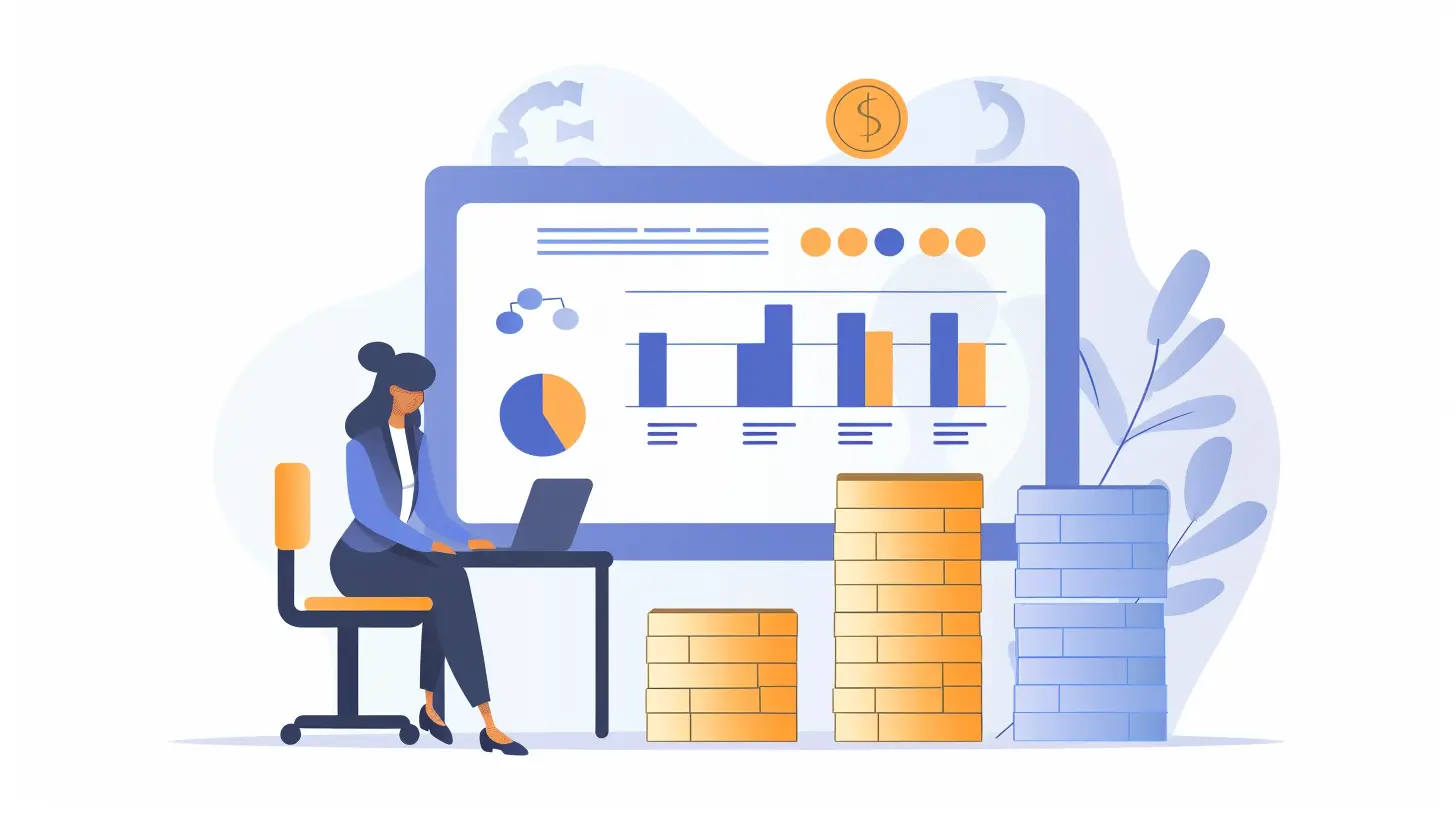
Step 3: Identify Needs vs Wants
Alright, here’s where things get a bit tricky. Once you've categorized your expenses, you need to figure out which ones are needs and which ones are wants.- Needs: These are non-negotiables—things you can’t live without. Think rent, groceries, utilities, and insurance.
- Wants: These are the extras that make life enjoyable but aren’t essential. Dining out, shopping for new clothes, that Netflix subscription.
Be honest with yourself during this step. It’s easy to justify wants as needs, but at the end of the day, your financial goals depend on your ability to make some sacrifices.
Step 4: Look for Patterns and Problem Areas
Here’s where things get interesting. Take a close look at your spending patterns. Are there any red flags? For instance:- Are you spending more than 30% of your income on housing?
- Is your dining-out budget spiraling out of control?
- Are you paying late fees because you keep forgetting to pay bills on time?
Highlight these problem areas; they’re a sign that you need to tweak your spending habits.
Step 5: Create a Plan to Cut Back
Once you’ve identified the areas where you’re overspending, it’s time to make some changes. But don't worry—you don’t have to give up everything you love. Small, consistent tweaks can make all the difference. For example:- Housing: If rent is eating up your paycheck, consider downsizing or finding a roommate.
- Transportation: Could you carpool, take public transit, or bike to work?
- Groceries: Stick to a shopping list, avoid impulse buys, and try meal prepping.
- Entertainment: Limit dining out to once a week, or switch to free or low-cost hobbies.
- Subscriptions: Cancel any you’re not using—do you really need three streaming services?
Here’s the thing: cutting back doesn’t mean eliminating joy from your life. It means prioritizing what truly matters to you.
Step 6: Automate Your Savings
Want to set yourself up for success? Automate your savings.Think of it like setting your finances on autopilot. As soon as your paycheck hits, have a portion transferred to your savings or investment account. This way, you’re paying yourself first, and whatever’s left is what you can spend.
Even if it’s just 10% of your income, consistency is key. Over time, that small amount will build into a financial safety net or a nest egg for your retirement.
Step 7: Keep Track and Adjust
Let’s be real: life happens. Maybe you have an emergency car repair, or maybe your income changes. That’s why it’s important to revisit your expenses regularly (ideally, once a month).Ask yourself:
- Are you meeting your savings goals?
- Have you cut back where needed?
- Are there any new expenses you need to budget for?
Think of your budget as a living document—it’s okay to adjust it as your circumstances change.
Quick Tips to Stay on Track
1. Use Budgeting Tools: Apps like Mint or YNAB can simplify the process.2. Set Realistic Goals: Don’t try to cut your spending in half overnight. Start small.
3. Reward Yourself: Celebrate milestones—just don’t blow your progress on a shopping spree!
4. Involve Your Partner: If you’re sharing expenses with someone, make sure you’re on the same page.
5. Avoid Lifestyle Creep: Just because you got a raise doesn’t mean you should increase your spending. Save the extra!
Benefits of Expense Tracking
Still on the fence about spending time on this? Let me tell you—it’s worth it. Here’s why:- You’ll uncover spending leaks and stop wasting money.
- You’ll feel more in control of your finances (goodbye, money stress!).
- You’ll start building savings and reaching financial goals faster.
- You’ll avoid unnecessary debt by living within your means.
The key takeaway? Tracking your expenses isn’t a chore; it’s an investment in your financial future.
Conclusion
Reviewing your monthly expenses and making smarter decisions doesn’t have to be overwhelming. It’s all about taking small, actionable steps to better understand your money. Start by gathering your data, identifying problem areas, and making a plan to cut back on unnecessary spending.Remember, this isn’t about depriving yourself—it’s about aligning your spending with your values and goals. Once you take charge of your finances, you’ll feel less stressed and more empowered to create the life you want.
So, what are you waiting for? Grab your statements, start categorizing, and take the first step toward financial freedom today!
all images in this post were generated using AI tools
Category:
Expense TrackingAuthor:

Eric McGuffey
Discussion
rate this article
1 comments
Norah Benson
Monthly expense reviews are like a financial detox. Cut the clutter, spot the leaks, and redirect that cash flow to what truly matters. Small changes can lead to big savings... get started!
May 22, 2026 at 10:36 AM
Eric McGuffey
Absolutely! A focused review can really transform your finances. Those small adjustments add up over time. Every bit counts... let's make those changes count!