How to Spot and Avoid ‘Hot-Hand Fallacy’ in Stock Market Trading
11 July 2026
Imagine this: You buy a stock, it goes up. You buy another one, boom — up again. At this point, you're not just investing… you’re channeling Warren Buffet’s spirit. Three wins in a row and suddenly you feel unstoppable — like the LeBron James of Wall Street.
Pump the brakes, my friend. You might just be falling for the notorious, sneaky little trickster of the trading world — the hot-hand fallacy.
Let’s break this down, figure out why your “hot streak” might be lying to you, and how to protect your hard-earned money from your own brain’s overconfidence.
? What The Heck Is The Hot-Hand Fallacy?
So here's the deal. The hot-hand fallacy is when someone believes that just because they've had success a few times in a row, they’re more likely to keep succeeding — even when the results are due to chance.Sounds kinda innocent, right? But in the financial markets, this little cognitive pothole can swallow your entire portfolio if you're not careful.
The term originally came from basketball (yep, sports psychology invades finance too). A player hits several shots in a row, and everyone — including the player — assumes they’re “on fire.” So they keep shooting. And shooting. Even when they’re chucking bricks.
Now apply that to trading. You make a few winning trades — maybe even big ones — and suddenly you think every move you make turns to gold. Spoiler alert: It won’t.
? Why It Happens: Your Brain Is Out Here Playing Tricks
Let me tell you a little secret: Your brain LOVES patterns. Like, it’s obsessed. It sees meaning in clouds, conspiracy in coincidences, and hot streaks where there are just random outcomes.This mental glitch comes from something called "representativeness heuristic." (Yeah, nerdy term. Stay with me.) It’s when we judge the probability of an event based on how much it resembles a known pattern — even when the events are totally random.
So if you made three great trades in a row, your brain goes, “Ah-ha! I’m good at this now!” even if those gains were due to luck, not skill.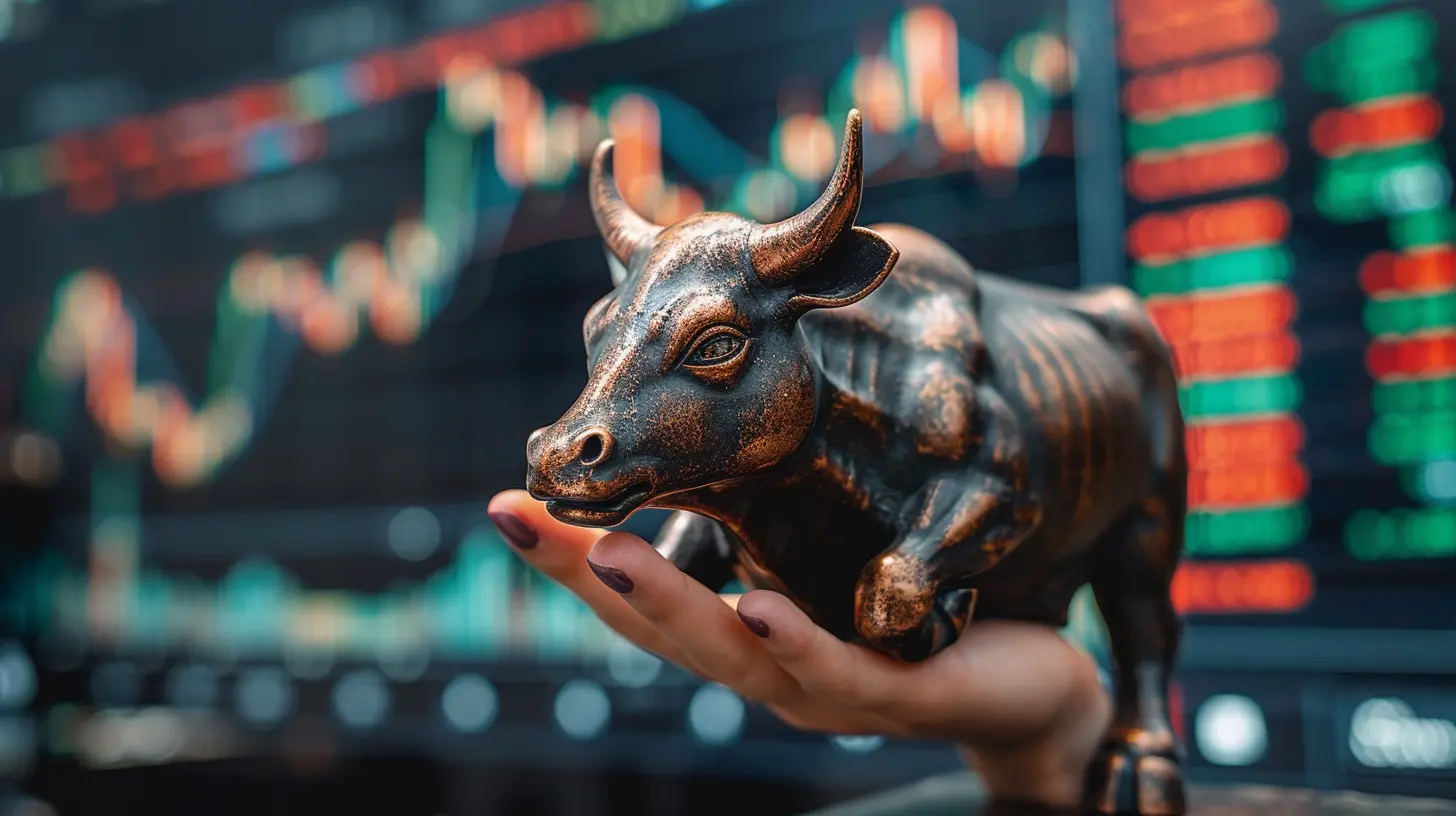
? Real-Life Trading Example: Meet Dave
Say hi to Dave. Dave started trading last month. He read a couple of articles, watched some YouTube gurus, and dumped $5,000 into tech stocks.Boom. Apple went up 6%. Nvidia popped 8%. Dave’s feeling spicy. He throws another $3,000 into some AI startup he read about on Reddit. It doubles in two weeks.
Now Dave’s telling his friends he might quit his job and trade full-time.
You already know where this is headed, right?
He puts $10K into a “sure thing” crypto pick. Boom. It tanks. He panics. Sells on the dip. Then jumps into a meme stock. It plummets. Rinse. Repeat.
What happened here? The hot-hand fallacy whispered in Dave’s ear: You're invincible. In reality, Dave was playing roulette and mistook luck for skill.
? The Danger in Trading: Overconfidence Is Kryptonite
When traders think they're on a hot streak, they often:- Increase trade size recklessly
- Abandon their strategy or risk management rules
- Ignore red flags because “I can’t lose”
- Trade more frequently (and impulsively)
This often leads to higher losses, stress, and a fast track to burning out — financially and emotionally. The hot-hand fallacy has no chill.
? How to Spot the Hot-Hand Fallacy in Action
Alright, now that we know it's out there lurking, how do we catch it before it messes with our money?1. Winning Streak? Pause and Reflect
If you’ve had a few wins in a row, step back. Ask yourself:- Were these trades based on sound analysis?
- Was I following a strategy or winging it?
- Could luck have played a role?
That little moment of honesty could save you from a whole lotta regret.
2. Watch Your Position Sizes
One clear sign of overconfidence is bumping up your position size after a win. It's like betting your last win at the poker table instead of cashing out.Set position limits ahead of time. Stick to them. Your future, broke-you will thank you.
3. Journal Your Trades (Yes, Like a Nerd)
Seriously. Keep a simple trade journal. Log your reasons for entering a trade, how it turned out, and what you were feeling before and after.When you start noticing things like “Felt lucky, went all in” or “Didn’t follow plan, just felt hot,” that's a red flag.
4. Use Data > Gut Instinct
Gut feelings are great for picking restaurants. Not so much for the stock market.Base your trades on data, analysis, and probabilities. If your trading strategy works, it should do so over 100+ trades — not just three lucky ones.
? Common Hot-Hand Traps in Stock Trading
Let’s call out some of the top “hot-hand” booby traps that traders fall into:? The YOLO Trade
You’ve had a few winners, so now you’re putting half your portfolio into a hyped stock you saw trending on Twitter.Sit down. Breathe. Think.
? The Abandoned Plan Syndrome
You start with a solid trading strategy — let’s say a simple moving average crossover system. But after three wins, you say, “I don’t need rules anymore. I am the rule.”Spoiler: That ends in tears.
? The Monkey Trade
You choose stocks like a monkey throwing darts just because your last random pick worked.Just because one banana tasted good doesn’t mean every banana in the jungle is safe.
?️ How to Avoid the Hot-Hand Fallacy (Without Becoming a Robot)
You don’t have to trade like a cold, emotionless machine. But you do need to find balance.✅ Stick to a Pre-Defined Strategy
Have a game plan. Write it down. Know your entry and exit points, how much you're risking, and what would invalidate your thesis.Then actually follow it.
This is your financial seatbelt.
? Give Your Brain Reality Checks
Keep reminding yourself: The market doesn’t care about your winning streak. Every trade is its own event. Past success doesn't increase your odds.Say it with me: "Each trade is independent."
⛔ Create Rules for Risk Management
- Max amount risked per trade? 1%-2%.- Portfolio exposure limits? Set them.
- Stop-losses? Use them like you use sunscreen.
Risk management is boring — until it saves your account from spontaneous combustion.
? Take Breaks After Big Wins
Winning can be intoxicating. So be smart. After a few good trades, take a breather. Go outside. Touch grass. Avoid opening your Robinhood app at 2 AM.Trading should be strategic, not compulsive.
? Final Thoughts: You’re Not Magic, You’re Just Human
Look, we’ve all been there. A few wins and suddenly we’re comparing ourselves to trading legends. I’ve done it. You’ve probably done it or will do it. It’s a rite of passage.But the trick is to recognize the hot-hand fallacy when it creeps in and slap it with a healthy dose of self-awareness.
The market doesn’t reward ego. It rewards discipline, patience, and wisdom. And sometimes… a bit of luck. But don’t build your entire portfolio on the idea that your lucky streak means you’ve unlocked the Matrix.
Be humble. Be strategic. And maybe, just maybe, keep your inner LeBron in check when you're trading.
? Recap: How to Spot and Avoid ‘Hot-Hand Fallacy’ in Stock Market Trading
- Hot-hand fallacy = believing “hot streak” means more wins to come- Your brain loves patterns, even when they’re fake
- Overconfidence is a side effect — and it’s dangerous
- Keep a journal, stick to strategies, and check your emotions
- Every trade is a fresh flip of the coin — treat it like one
all images in this post were generated using AI tools
Category:
Behavioral FinanceAuthor:

Eric McGuffey
Discussion
rate this article
1 comments
Uri Roth
Interesting topic! How can traders balance intuition and data to effectively counter the hot-hand fallacy?
July 14, 2026 at 12:10 PM
Eric McGuffey
Traders can balance intuition and data by using a systematic approach. Rely on data analytics to identify trends while allowing experience to inform decisions. Regularly review outcomes to refine intuition based on evidence rather than biases.