Insights into the Vacation Rental Real Estate Market
11 June 2026
The vacation rental real estate market is having its moment in the sun—and it’s not hard to see why. Between the rise of platforms like Airbnb and Vrbo, as well as the growing demand for unique, homey experiences over cookie-cutter hotel stays, this sector has blossomed into a lucrative niche. But, like any investment opportunity, diving into vacation rental properties isn’t all smooth sailing. From market trends to insider tips and tricks, let me walk you through the fascinating world of vacation rental real estate.
Whether you're a seasoned investor or someone dipping their toes in for the first time, pulling back the curtain on this booming industry might just inspire you to pack your bags and explore the possibilities (but not before reading this article, of course).
What Exactly is the Vacation Rental Real Estate Market?
Let’s start with the basics: Vacation rental real estate refers to properties purchased or converted specifically for short-term stays. These can range from cozy cabins in the mountains and beachside bungalows to city apartments and luxury villas. Unlike traditional rental properties, where tenants sign long-term leases, vacation rentals cater to travelers who might stay for a few days or a couple of weeks.Why the sudden hype? Well, people are increasingly craving experiences. They’re hungry for something different—a home away from home with personality, charm, and convenience. Meanwhile, property owners are cashing in on the opportunity to use their vacation homes as dual-purpose investments, making money while also keeping a spot ready for their own getaways.
A Booming Industry: Why Now?
Have you noticed how people are ditching traditional hotels for rentals? There’s a reason for that. Actually, several reasons. Let’s break it down:1. Travel Preferences Have Shifted
Travelers want authenticity. They’re longing for an experience where they feel like they belong—not just a bed to sleep in. Staying in a vacation rental lets them embrace the local vibe. It’s like being part of the neighborhood, even if it’s just for a weekend.During the pandemic, when social distancing became the norm, vacation rentals offered a safer, more private alternative to crowded hotels. Post-pandemic? The appeal stuck.
2. The Rise of Remote Work
Working from home? Great. Working from a beachside retreat? Even better. The flexibility of remote work has pushed many digital nomads to pack up their laptops and work from paradise. This lifestyle shift has created a year-round demand for vacation rentals.3. Tech Platforms Make It Easy
With user-friendly platforms like Airbnb, Vrbo, and Booking.com, managing a vacation rental has never been more accessible. These platforms handle advertising, bookings, and even payment processing, taking much of the hassle out of being a host.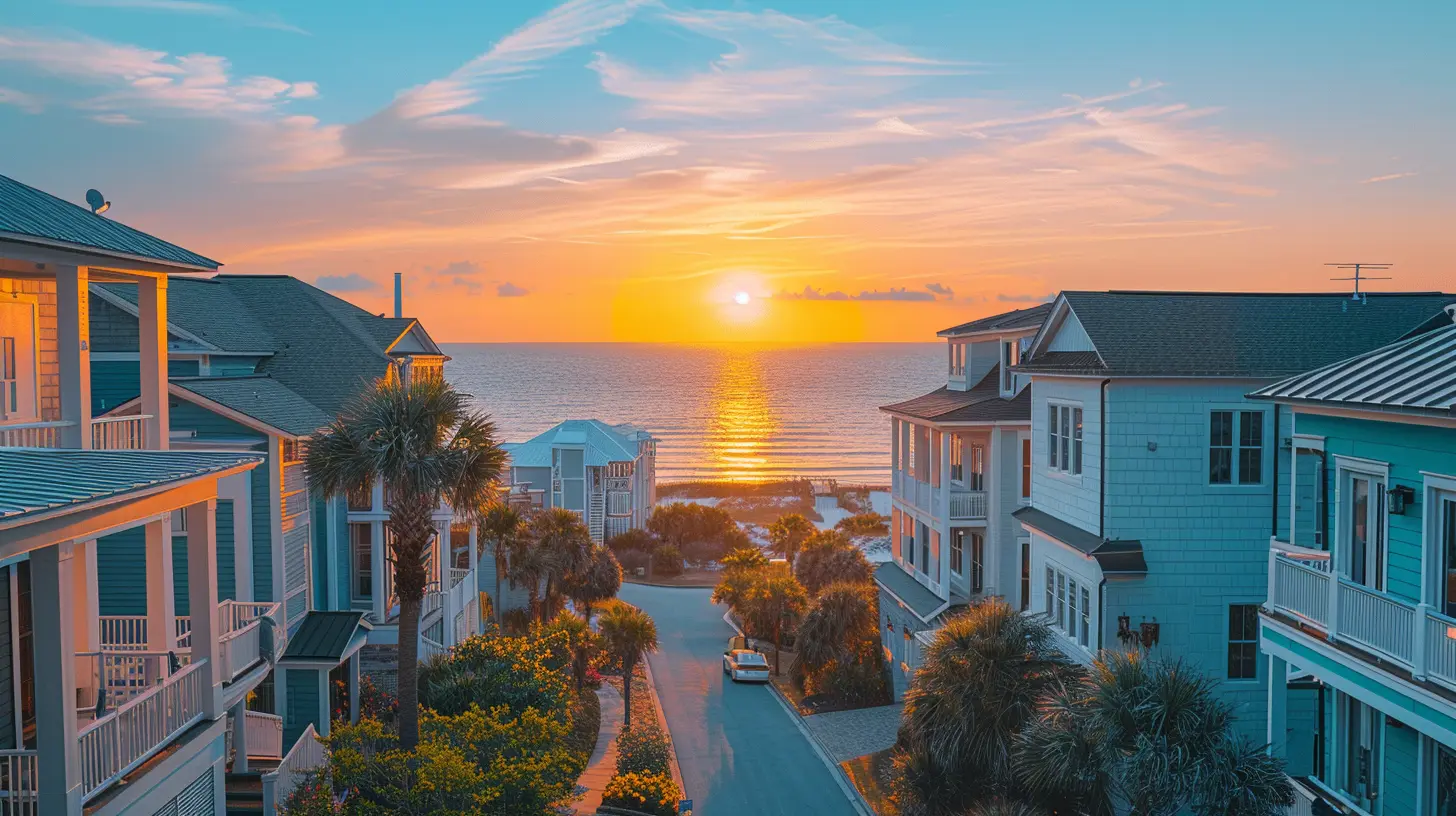
Key Trends Shaping the Market
Want to understand where the vacation rental real estate market is headed? Keep an eye on these trends:1. Luxury Rentals Are Gaining Popularity
Gone are the days when vacation rentals were limited to quirky cottages or budget-friendly condos. Now, travelers are willing to splurge on luxe properties with Instagram-worthy views, private pools, and high-end amenities. Think of it as the “go big or go home” effect.2. Eco-Friendly Properties Are in Demand
Sustainability is not just a buzzword—it’s a game-changer. Travelers are actively seeking eco-friendly rentals with solar panels, energy-efficient appliances, and green certifications. If your property reduces its carbon footprint, it’s a win-win for you and the planet.3. Unique Stays Steal the Spotlight
Treehouses, yurts, converted barns—guests want something different. If your property stands out in a sea of cookie-cutter homes, you'll capture attention (and bookings). Travelers are paying for the story, not just the stay.4. Off-the-Beaten-Path Destinations Are Trending
Move over, big cities. Small towns and remote locations have become the new hotspots. People are trading urban noise for the serene sounds of nature. If your property is tucked away but accessible, it could be a goldmine.
The Pros and Cons of Investing in Vacation Rentals
So, is investing in vacation rental properties a no-brainer? Not exactly. Every rose has its thorn, and this market is no exception. Here’s what you should know:The Pros
- Higher Income Potential: Compared to long-term rentals, vacation properties can rake in more cash—especially during peak seasons.- Flexible Usage: You can block off dates to use the property yourself. It’s like having your cake and eating it too.
- Tax Benefits: As a property investor, you might be eligible for tax deductions on expenses like maintenance, utilities, and even mortgage interest.
The Cons
- Seasonal Demand Fluctuations: Guess what? Tourists don’t stay year-round. If your property is in a seasonal spot, you might face slow periods.- Higher Maintenance Costs: Unlike long-term rentals, vacation rentals require frequent cleaning, upkeep, and restocking—in short, more work and expenses.
- Local Regulations: Some cities and towns have strict short-term rental laws. Make sure you do your homework before buying.
Tips for Success in the Vacation Rental Game
Thinking of diving in? Here are a few nuggets of wisdom to help you ace the vacation rental market:1. Research the Market
Before buying a property, study the demand in that area. Popular destinations tend to attract more travelers, but niche locations can also be profitable if marketed well.2. Focus on Guest Experience
Customer reviews can make or break your rental. Small touches—like welcome baskets, local guides, or fast Wi-Fi—can turn a good stay into a great one.3. Stage Your Property to Shine
In today’s visual world, photos sell. Invest in professional photography and make sure your property looks inviting. A well-designed space can command higher rates.4. Set Competitive Pricing
While it’s tempting to charge top dollar, pricing your rental too high can scare off potential guests. Research what similar properties charge and adjust your rates accordingly.5. Understand Local Laws
Short-term rental laws vary by location. Some places require permits, while others might outright ban vacation rentals. Avoid costly surprises by staying informed.Is It Worth the Investment?
So, is a vacation rental property your golden ticket to financial freedom? It could be. But, like any investment, it comes with risks. The best approach is to walk in with your eyes wide open—understand the market, weigh the pros and cons, and have a solid plan in place.If you’re already smitten by a dreamy property on the beach or a cozy cabin in the woods, just remember: This isn’t just about owning a piece of paradise. It’s about managing a business. Treat it like one, and you might just be surprised at the returns (and the views).
Closing Thoughts
The vacation rental real estate market is thriving, and for good reason. It’s a space where unique experiences meet lucrative opportunities, making it an attractive option for investors and travelers alike. Whether you’re looking to diversify your portfolio, earn some extra income, or own your dream getaway, this market has something for everyone.The key? Stay informed, plan meticulously, and embrace the adventure. After all, what’s life without a little risk—and the potential for big rewards? Now, go ahead and dream big. Your next big investment might just be a booking away.
all images in this post were generated using AI tools
Category:
Real Estate MarketAuthor:

Eric McGuffey
Discussion
rate this article
1 comments
Brooke McWilliams
This article on the vacation rental real estate market is packed with valuable insights! It's fascinating to see how demand is shifting and what that means for investors. If you're considering diving into this space, these tips will definitely help you navigate the landscape... thanks for sharing!
June 18, 2026 at 3:14 AM
Eric McGuffey
Thank you for the kind words! I'm glad you found the insights helpful. Happy investing!