Know Your Rights: Legal Protections Against Foreclosure
21 January 2026
Foreclosure is one of those words that instantly puts a pit in your stomach. It’s overwhelming, emotional, and, let’s be honest—scary. When your home is at stake, it's easy to feel like you're drowning in legal jargon, bank notices, and deadlines. But here's the good news: you're not powerless. You have rights, and they’re more solid than you might think.
Understanding those rights is the first step toward regaining control. This guide breaks it all down—no legalese, no sugarcoating—just straight talk on what legal protections you have if foreclosure is knocking on your door.
What Exactly Is Foreclosure?
Before we get into the nitty-gritty of your rights, let’s clear the air on what foreclosure actually means.Foreclosure happens when you don’t keep up with your mortgage payments, and the lender decides to take back your home to recover what they’re owed. Essentially, it's the bank saying, “If you can’t pay, we’ll take the house back and sell it.”
But it’s not like they show up with a moving truck one morning. Foreclosure is a process—a long one—and you have options at every step.
The Foreclosure Process (And Where You Fit In)
Understanding the foreclosure timeline is key to figuring out when and how to exercise your rights. Let’s break it down in simple steps:1. Missed Payments – You fall behind on your mortgage.
2. Breach Letter – The lender sends you a letter saying you’ve defaulted.
3. Pre-Foreclosure – You get a warning and time to catch up.
4. Notice of Default or Foreclosure Filing – The official legal process kicks in.
5. Public Auction – Your home could be sold to the highest bidder.
6. Eviction – If someone buys it, you might be forced to move out.
Now here's the kicker: at every step of this process, you still have legal protections. Let’s dive into those.
You’ve Got Rights—Here’s What They Are
1. The Right to Be Notified
Lenders can’t just foreclose on your house out of the blue. By law, they have to notify you first.- You must receive a notice of default.
- In many states, they’re required to give you a minimum of 30 days to fix the problem (this is called the “right to cure” period).
So if your lender skipped this step, that’s a big no-no—and you should talk to a lawyer ASAP.
2. The Right to a Fair Process (Due Process)
Foreclosure is a legal process, and you’re entitled to basic fairness. Depending on your state, this could mean:- Judicial foreclosure (goes through court; more protections)
- Non-judicial foreclosure (handled out of court; quicker, but still regulated)
In either case, the lender must follow the law. If they mess up, the whole process could be challenged.
3. The Right to Reinstate the Loan
Let’s say you’re a few months behind. Guess what? You might be able to bring the loan current by paying back what you owe in missed payments (plus fees). That’s called reinstatement.Most states allow it up to a certain point in the process. It's like hitting the reset button—even if the foreclosure has already started.
4. The Right to Redemption
This one’s a bit like getting a second chance—even after your home is sold at auction. In some states, you have a redemption period (like 30-90 days or more) where you can pay the full loan amount and get your house back.It’s not easy (you need money and fast), but it’s still a legal lifeline worth knowing about.
5. The Right to Challenge the Foreclosure
If something doesn’t smell right—maybe the lender didn’t follow the proper steps, or there was a banking error—you can challenge the foreclosure in court.Think of it like putting the brakes on the process. With the help of a foreclosure defense attorney, you can make your case and possibly stop the sale.
6. The Right to Apply for Loss Mitigation
This one’s huge. Federal law says your lender must review you for loss mitigation options (like a loan modification, forbearance, or repayment plan) before foreclosing—if you apply in time.If you apply at least 37 days before a scheduled foreclosure sale, they can’t move forward with the sale until they’ve reviewed your application.
So don’t wait. The earlier you apply, the better your shot at staying in your home.
7. The Right to Be Free from Dual Tracking
Ever heard of dual tracking? It’s when the lender moves forward with foreclosure while pretending to help you with a loan modification.Well, under federal law, that’s not allowed.
If you’re being considered for a modification, the foreclosure process has to pause. If your lender’s playing dirty here, it's time to call them out—legally.
8. The Right to Legal Representation
You don’t have to face foreclosure alone.You have every right to hire an attorney who specializes in foreclosure defense. Even if you can’t afford one, legal aid societies and nonprofit organizations often provide free or low-cost help.
A good lawyer can spot shady practices, negotiate with your lender, and even help you stay in your home.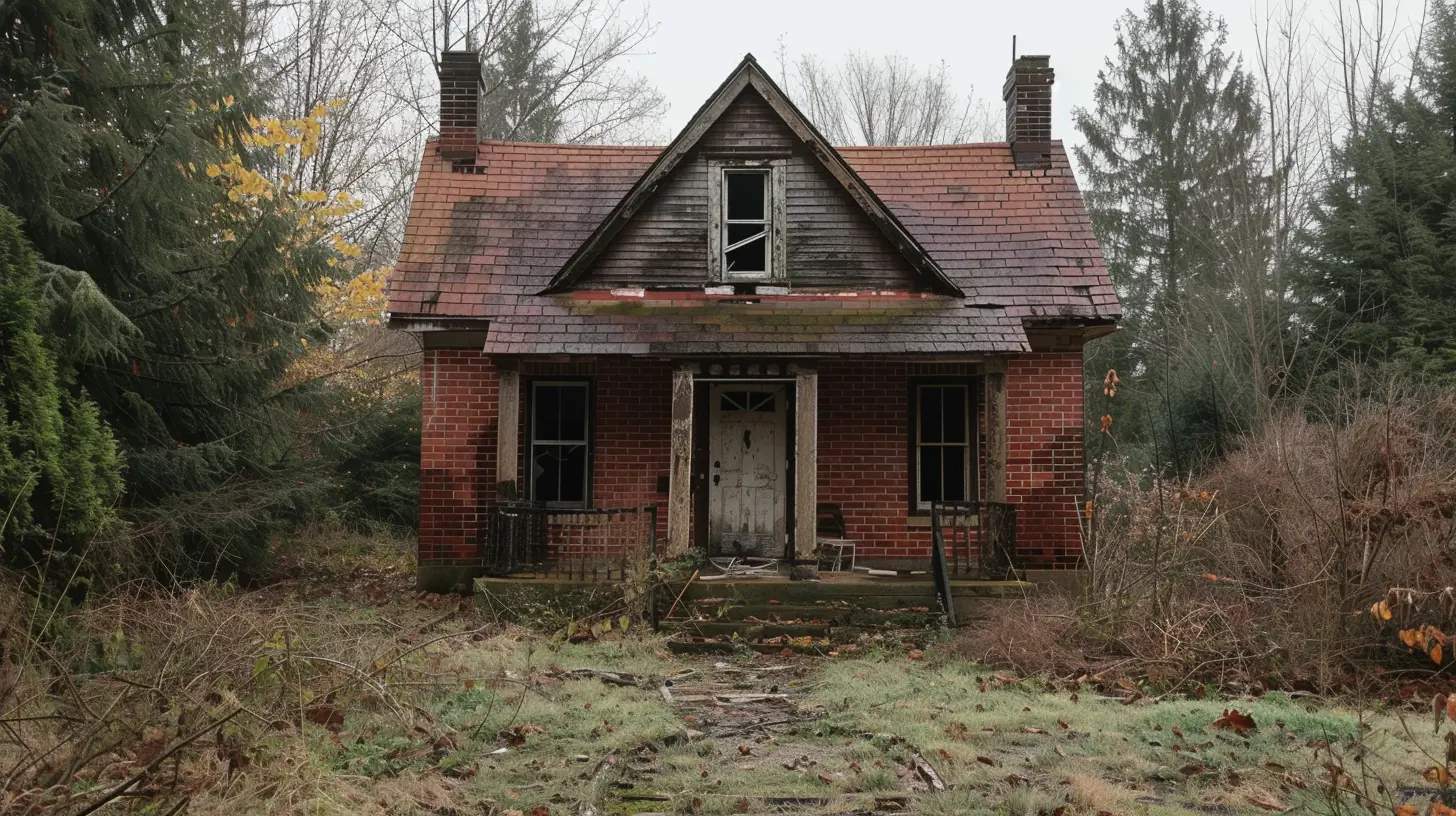
What About the CARES Act and COVID-19 Protections?
Let’s talk pandemic for a sec.During COVID-19, millions of homeowners were given mortgage forbearance through the CARES Act.
If you have a federally backed mortgage (like FHA, VA, USDA, Fannie Mae, or Freddie Mac), you may still have rights under these protections. This could include:
- Temporary pauses on payments
- No late fees
- No foreclosure during the forbearance period
- Options for repayment that won’t break the bank
Even as we move past the pandemic, many of these assistance programs still have deadlines or extensions in place. Call your loan officer and ask!
What Should You Do If You're Facing Foreclosure?
Now that you know your rights, what should you actually do if things start sliding downhill? Here's a practical action plan:Step 1: Don’t Ignore It
Seriously. Ignoring notices won't make them go away. Open every letter, answer every phone call, and start making a plan.Step 2: Contact Your Lender
It might sound weird, but your lender doesn’t want your house. They want the money.Call them up and ask about repayment plans, temporary forbearance, or modification options. You might be surprised how willing they are to work something out.
Step 3: Get Help
Reach out to a HUD-approved housing counselor. These folks are trained, legit, and can help you understand your options—for free.Also, loop in a foreclosure attorney if things get serious.
Step 4: Apply for Loss Mitigation
Don’t wait for the house to hit the auction block. Apply early for a loan modification or other options that can halt the process.Step 5: Know Your Timeline
Every notice has a deadline. Put reminders on your phone, hang sticky notes—whatever it takes. Missing a date can cost you legal protections.Common Myths That Get Homeowners in Trouble
Let’s bust a few foreclosure myths right now:- “If I miss one payment, I’ll lose my home.” Nope. It takes multiple missed payments before foreclosure starts.
- “Foreclosure happens overnight.” Not true. It usually takes months—sometimes even a year.
- “I can’t fight the bank.” Wrong again. You have rights, and the law is on your side—especially if mistakes were made.
- “I can just walk away.” You can, but it may wreck your credit and you could still owe money (called a deficiency balance).
Don’t fall for these myths—they can leave you without a house and without options.
Foreclosure Alternatives You Should Know
If keeping your home isn’t possible, you’ve still got options that aren’t as damaging as foreclosure:- Short Sale – Sell your home for less than you owe, with lender approval.
- Deed in Lieu – Hand the property back to the lender instead of being foreclosed on.
- Cash-for-Keys – Negotiate with your lender to leave peacefully in exchange for money to relocate.
Each of these has different pros and cons, but the main takeaway? You don’t have to go down with the ship.
Bottom Line: You’re Not Helpless
Facing foreclosure feels like a tidal wave crashing over your life—but remember, you’re not just a boat drifting in the storm. You’ve got oars. You’ve got tools. And most importantly, you’ve got rights.Use them.
Ask questions. Seek help. Challenge shady practices. And never assume the bank’s word is law—sometimes, they mess up too.
With knowledge, the right resources, and a little support, you can navigate the foreclosure maze—and maybe, just maybe—make it through with your home and your peace of mind intact.
all images in this post were generated using AI tools
Category:
Foreclosure PreventionAuthor:

Eric McGuffey
Discussion
rate this article
2 comments
Audrey McLaughlin
Empowering insights on foreclosure rights—essential reading!
February 9, 2026 at 3:27 AM
Eric McGuffey
Thank you! I'm glad you found the insights valuable. Knowing your rights is crucial in navigating foreclosure.
Tempra Gutierrez
Thank you for shedding light on such an important topic. Understanding our rights during foreclosure can empower individuals to make informed decisions and navigate challenging financial situations more effectively.
January 23, 2026 at 4:51 AM
Eric McGuffey
Thank you for your thoughtful comment! Empowering individuals with knowledge of their rights is indeed crucial during challenging times.