Mortgage Forbearance: A Solution to Delay or Prevent Foreclosure
2 April 2026
Hey there! If you're reading this, chances are you're feeling the pressure of mortgage payments stacking up. Maybe you’ve missed a few, or you're worried you're about to. It’s a stressful situation, no doubt. But here's something important to know: you’re not alone, and there are options. One of the most talked-about ones? Mortgage forbearance.
This isn’t just another fancy finance term—it’s a real solution for many homeowners who need a breather to figure things out. So, grab a coffee, and let’s break down what mortgage forbearance is, how it works, and whether it could be the lifeline you need to stay in your home and avoid foreclosure.
What Is Mortgage Forbearance?
Let’s keep it simple: mortgage forbearance is an agreement between you and your lender that temporarily pauses or reduces your mortgage payments. It’s like hitting the "pause" button when life throws a curveball—like job loss, medical emergencies, or even a global pandemic (yes, we’re looking at you, COVID-19).During forbearance, your lender agrees not to pursue foreclosure, giving you time to get back on your feet. But—this is key—you’re not off the hook permanently. You’ll still have to repay missed payments later. It’s more of a delay than a delete.
Who Can Qualify for Mortgage Forbearance?
Good question. Not everyone gets a free pass. But many lenders are willing to work with you if:- You’re dealing with a temporary financial hardship.
- Your mortgage is backed by a government agency (like FHA, VA, USDA, or Fannie Mae/Freddie Mac).
- You haven’t already defaulted beyond a certain point.
The pandemic opened the door wider for many homeowners, but even now, lots of lenders have policies in place to help folks facing hard times. If you’re struggling, always—always!—contact your lender right away. Don’t ghost them. They can’t help if they don’t know what’s going on.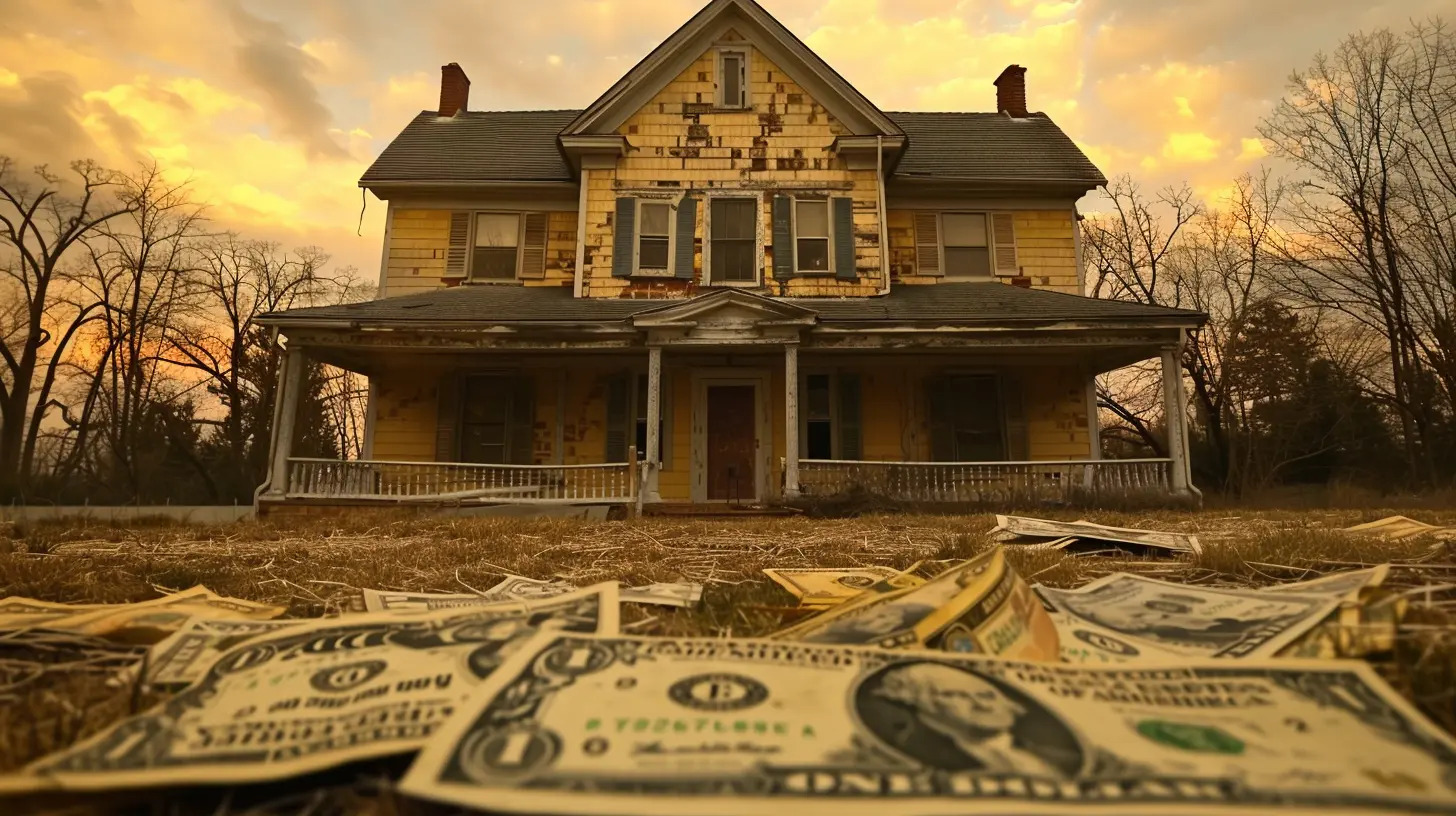
How Does Forbearance Work?
Think of a mortgage forbearance as a kind of agreement. You and your lender figure out a plan. There are a few ways that might look:1. Temporary Payment Reduction
You pay a smaller amount for a set period, usually 3 to 6 months.2. Full Payment Pause
No payments during the forbearance period. Zip. Nada. Again—temporary!3. Extension Plan
Still need time after your initial forbearance? You might be able to extend it.But here’s the deal—you have to repay it. When the forbearance period ends, your lender will talk with you about repayment options. The key word is “options”… because you’ll usually have more than one.
What Happens After Forbearance Ends?
This is where a lot of folks get nervous. Fair enough—if you couldn’t pay before, how are you supposed to suddenly pay everything back?Luckily, most lenders won’t ask for a lump-sum payment (unless you agreed to that—don’t do that unless you’re sure you can swing it!). You’ll typically see one of these repayment options:
✅ Repayment Plan
You pay an extra amount each month for a period of time until you’ve paid back what you owe.✅ Loan Modification
The lender changes the terms of your loan (like extending the length or lowering the interest rate) to make payments more affordable.✅ Payment Deferral
The missed payments get tacked onto the end of your loan. Basically, you pay them when you pay off your mortgage or sell your home.✅ Reinstatement
If you’ve come into money (say, landed a good job or got a financial windfall), you can pay the full amount owed all at once.The important takeaway? You’ve got choices. Don't panic.
Pros of Mortgage Forbearance
Let’s talk silver linings. Here’s why forbearance might be a smart move:- Avoid foreclosure – Number one reason. It buys time.
- Protect your credit – If done right, it won’t hurt your credit score as much as missed payments or foreclosure would.
- Keep your home – You stay put while you regroup financially.
- No late fees – Most lenders won’t charge penalties during forbearance.
Cons of Mortgage Forbearance
Okay, it’s not all sunshine and rainbows. There are some downsides too:- You still owe the money – This isn’t free money or forgiveness.
- Interest might accrue – Some loans will continue to build interest, making your total repayment higher.
- Loan term could get longer – Depending on how you repay.
- Temporary fix – If your financial hardship is long-term, forbearance might not be enough.
How Does Forbearance Affect Your Credit?
This one trips people up! If you enter forbearance with your lender’s approval and follow the plan, it shouldn't mess up your credit score too much. It might show up on your report as “in forbearance,” but that’s not the same as “late” or “delinquent.”However—if you stop paying without a forbearance agreement in place? That’s a different story. Your score could take a serious hit.
Moral of the story: communicate with your lender. Silence is not golden here.
Is Forbearance the Right Option for You?
Let’s be real—this isn’t a magic wand. It’s a temporary fix. But if you’re dealing with a short-term issue and you just need time to create a plan, it can absolutely work.Mortgage forbearance is a bit like getting a cast for a broken leg—it’s not a cure, but it gives you space to heal. The key is knowing what comes next and having a plan to deal with the missed payments once you’re back on your feet.
Alternatives to Forbearance
Not convinced forbearance is your best option? That’s fair. Here are some other paths you might look at:1. Loan Modification
If your hardship is permanent or long-term, modifying your loan might make more sense than just delaying payments.2. Refinancing
If your credit is still good and rates are low, this could lower your monthly payments altogether.3. Selling Your Home
Sounds scary, but if you know you can’t afford your mortgage long-term, downsizing or relocating might be the smartest long-term play.4. Deed in Lieu or Short Sale
These are more serious steps, typically used when foreclosure feels inevitable. But they’re still better than foreclosure from a credit-score perspective.How to Apply for Mortgage Forbearance
It’s easier than you think. Here's a basic game plan:1. Call your lender – Ask what options are available.
2. Explain your hardship – Be honest and clear.
3. Ask questions – About repayment, interest, credit impact.
4. Get it in writing – Always, always have documentation.
And remember: just because the forbearance is approved doesn’t mean you’ll never have to talk to them again. Stay in touch. They’ll want updates, and you should ask for them too as your situation evolves.
Tips for Managing Your Mortgage Post-Forbearance
This part? Super important. Once your forbearance ends, the repayment phase begins. A few tips to stay on track:- Create a budget – Know exactly where your money’s going.
- Talk to a housing counselor – Certified HUD counselors can help you build a repayment plan.
- Don’t skip communication – Staying silent can land you in hot water.
- Plan for the long term – Use this window to build an emergency fund.
Final Thoughts
Life throws us all kinds of surprises—some good, some not-so-good. If you're stuck in a tough place and worried about losing your home, mortgage forbearance can be a legit solution to help you breathe easy while you navigate your way out.Just remember: it’s not a get-out-of-debt-free card. It’s a pause, not a stop. The mortgage payments will come due eventually, but for now, it might be the space you need to regroup, rebuild, and ultimately, stay in the place you call home.
Dealing with mortgage stress? You’re not in this alone. Take the first step. Call your lender. Ask about forbearance. You've got this.
all images in this post were generated using AI tools
Category:
Foreclosure PreventionAuthor:

Eric McGuffey
Discussion
rate this article
2 comments
Calaris Wallace
Mortgage forbearance can be a lifeline for homeowners facing financial challenges. It's crucial to understand the terms and potential long-term impacts. Make informed decisions to safeguard your future and avoid unnecessary pitfalls during tough times...
May 3, 2026 at 3:36 AM
Eric McGuffey
Absolutely, understanding the terms of mortgage forbearance is key. It can provide temporary relief, but homeowners must weigh the long-term effects on their finances. Making informed choices is essential.
Madison McElroy
This article sheds light on mortgage forbearance—it's a lifesaver for many! Navigating tough times is challenging; understanding your options can make all the difference.
April 4, 2026 at 4:43 AM
Eric McGuffey
Thank you for your thoughtful comment! I'm glad you found the article helpful in understanding mortgage forbearance and its potential benefits during tough times.