Real Estate in Emerging Markets: What to Look For
26 March 2026
Let’s be honest—investing in real estate can feel like diving into the deep end. But guess what? You don’t always have to swim in the same pool as everyone else. Sometimes, the biggest opportunities aren’t found in big flashy cities like New York or London, but in places that are just starting to grow. We’re talking about real estate in emerging markets—a sweet spot where risk meets reward, and where the savvy investor can uncover some serious gold.
If you're curious about expanding your real estate portfolio, or even making your first move in property investment, this is where you ought to start. Let's break it all down—how to spot the golden geese, avoid the traps, and make your money work harder than ever.
Why Emerging Markets Are Gaining Global Attention
Ever noticed how all the buzz lately is about countries you'd never considered ten years ago? Places like Vietnam, Colombia, Kenya, and the Philippines are suddenly in the spotlight. Why?Simple. Growth.
These countries are catching up—and fast. With booming populations, rising incomes, and improving infrastructure, they're on the cusp of a major leap forward. And when economies grow, real estate follows. Just like that old saying: _“Buy land—they’re not making any more of it.”_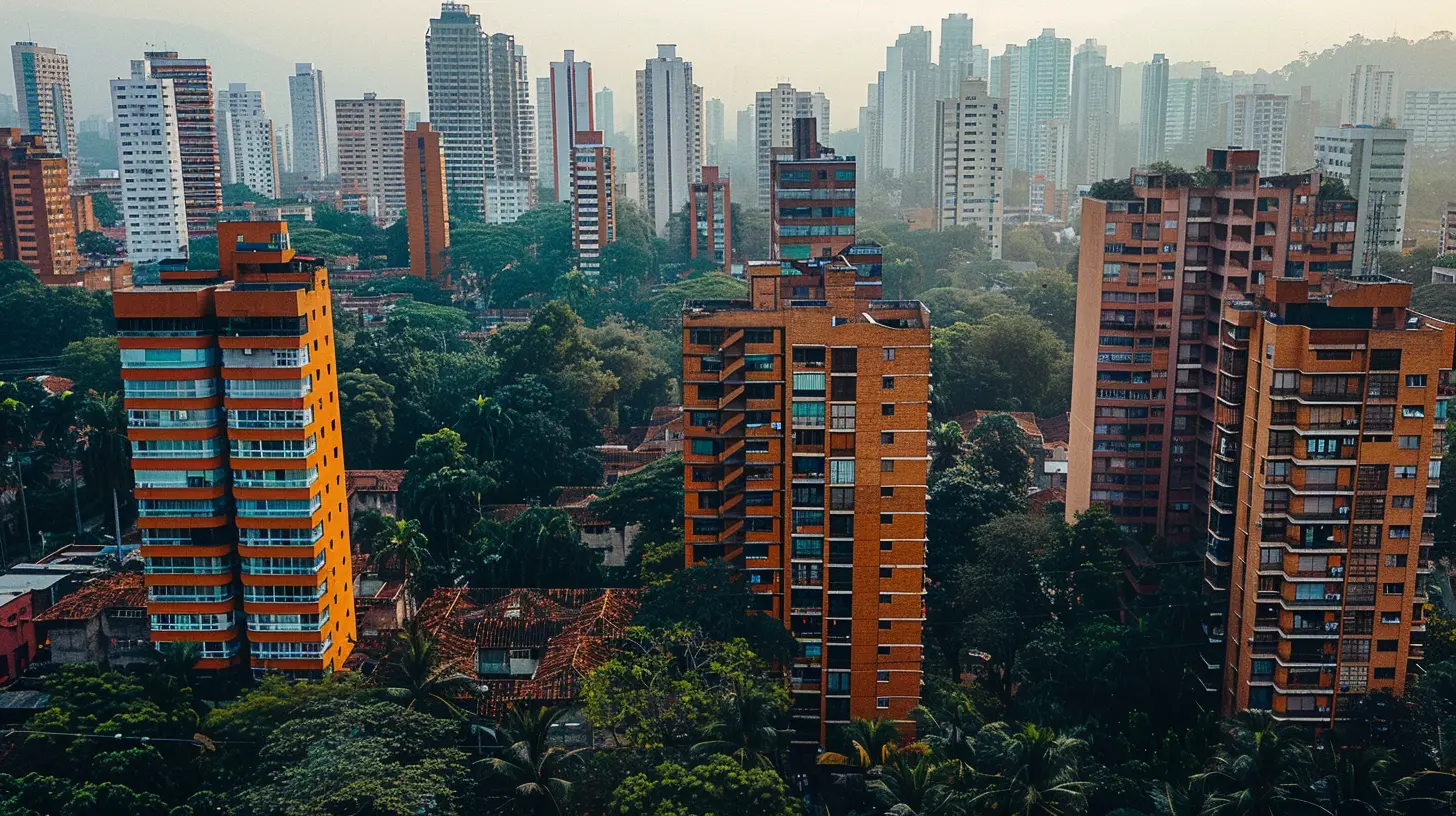
The Power of Being Early
Imagine snagging a beachfront property in Bali before it became a tourist magnet. Or a central apartment in Prague before the EU floodgates opened. That’s the magic of getting in early.Emerging markets are like uncut diamonds. At first glance, they might not look like much. But with the right polish (aka patience and research), they can shine brighter than anything in your current portfolio.
What Actually Is an “Emerging Market”?
Before we go too far, let’s nail down the definition so we’re on the same page.An emerging market is a country transitioning from a developing to a developed economy. It's not quite there yet, but you can see the signs—urbanization, foreign investment, political reform, and a rising middle class.
These markets are somewhere between wild west and Wall Street—risky, sure, but packed with potential.
So, What Should You Look for?
Alright, let’s get into the nitty-gritty. How do you spot a winner in a sea of uncertainty? Here's a checklist of what savvy investors look for when eyeing real estate in emerging markets.1. Economic Stability and Growth Potential
It all starts here. Is the economy rising or flatlining? You want to see strong GDP growth, a healthy job market, and a growing middle class. These are hints that more people will soon be able to buy or rent property.Look at full-year economic reports, inflation trends, and trade data. If the country’s economy is on an upward curve, that’s your green flag.
➡️ Pro Tip: Countries like India, Indonesia, and Mexico have shown consistent GDP growth over the past decade.
2. Urbanization and Infrastructure Development
When a government puts money into infrastructure—think highways, railway systems, airports, and fiber internet—you better believe economic activity will follow.New roads? New neighborhoods. New subway line? Booming business districts. Infrastructure acts like a magnet, pulling talent, businesses, and, you guessed it—real estate demand.
➡️ Watch for: Mega infrastructure projects in cities you've barely heard of. These are signs of tomorrow’s hotspots.
3. Political and Legal Transparency
You don’t want to buy a property and lose sleep over whether it’s even legally yours. Rule of law, property rights, and the ease of doing business are crucial.Corruption? Run the other way. Clear property titles? Now we’re talking.
➡️ Check how business-friendly the country is by reviewing the World Bank’s “Ease of Doing Business” index or Transparency International’s corruption index.
4. Growing Middle Class
The middle class is the heartbeat of any real estate market. They're the ones renting apartments, buying homes, and opening new businesses.When you see income levels rising, job opportunities expanding, and consumption increasing, that’s your signal that the market is maturing.
➡️ More middle-class = more demand for housing, offices, and retail space.
5. Foreign Investment and Trade Partnerships
When global companies start putting money into an emerging market, that’s a solid signal. Foreign investments bring jobs, infrastructure, and credibility.Big hotel chains, tech companies, or auto manufacturers setting up shop? That’s not by accident.
➡️ Watch for countries with free trade agreements and strong foreign direct investment (FDI) numbers.
Bonus: Hot Sectors Within Real Estate in Emerging Markets
Not all real estate is created equal. In these markets, some sectors are sizzling while others are just warm.🏘 Residential Real Estate
This is often the first sector to explode. People need homes, and with population growth comes housing demand. Look for areas near universities, business districts, or transportation hubs.🏨 Hospitality and Tourism
Tourism is booming in many emerging markets. If you can get in early near the next Bali or Cartagena, you might just hit the jackpot with vacation rentals or boutique hotels.🏢 Commercial and Office Spaces
As businesses expand, so does the need for retail storefronts and office buildings. Co-working spaces are especially popular in tech-friendly emerging markets.🏭 Industrial and Logistics
With e-commerce thriving, warehouses and distribution centers are essential. Think Amazon-style infrastructure—these facilities are gold in the right location.Risks to Keep On Your Radar
Look, we’re not wearing rose-tinted glasses here—emerging markets come with risks. Let's be smart about it.🛑 Currency Volatility
Fluctuating currency values can mess with your returns. A strong local currency over time is ideal, but that's not always guaranteed.🛑 Political Instability
Regimes can change overnight. New laws can tank your investment if you’re not careful. Keep an eye on political trends and always have an exit strategy.🛑 Legal Landmines
In some places, land ownership laws are still evolving. Do your homework and work with local legal experts. The last thing you want is to buy a property with a murky title.How to Start Investing in Emerging Markets
Feeling pumped but still a bit lost on how to start? Don’t worry. Here's a simplified roadmap:Step 1: Research Like a Detective
Don’t rely on Instagram influencers or TikTok videos. Dive into economic reports, trend analyses, and property forums. Look for consistency in the data.Step 2: Visit the Country (If You Can)
It’s one thing to read about a place, and another to feel its vibe. Visit neighborhoods, chat with locals, observe trends. Nothing beats seeing it with your own eyes.Step 3: Partner With Locals
Find trustworthy real estate agents, property lawyers, and lenders on the ground. They know the landscape better than anyone.Step 4: Start Small
Test the waters before diving in. Maybe a small vacation rental or a pre-construction condo unit. You’ll learn tons and reduce your exposure if things go sideways.Step 5: Diversify Smartly
Don’t go all-in on one city or country. Spread your investments across multiple regions or property types to reduce risk and maximize growth.The Takeaway: Fortune Favors the Bold
Here's the truth: real estate in emerging markets isn’t for the faint-hearted. It’s for the forward-thinkers, the curious, the bold.Yes, it takes more work. Yes, it can be unpredictable. But the payoff? Potentially life-changing.
The world is rapidly changing. Economic power is shifting. And those willing to look beyond their borders, beyond their comfort zones, are the ones who’ll come out on top.
So, whether you're a seasoned investor or a newbie with big dreams, keep your eyes open and your mind even more so. Real estate in emerging markets might just be your ticket to the next big win.
Go ahead—take that leap.
all images in this post were generated using AI tools
Category:
Real Estate MarketAuthor:

Eric McGuffey
Discussion
rate this article
2 comments
Lorna Warner
When investing in real estate in emerging markets, focus on local economic stability, regulatory transparency, infrastructure development, and demographic trends. Understanding these factors can significantly mitigate risks and enhance investment potential.
April 27, 2026 at 2:50 AM
Eric McGuffey
Great points! Local stability and transparency are crucial for smart investment decisions in emerging markets.
Caden McCullough
Investing in emerging markets can be a double-edged sword—high potential rewards come with equally high risks. Look for stable governance, economic resilience, and growth trends, but remember: due diligence is key. In real estate, as in life, location matters—but so does timing and insight.
March 28, 2026 at 4:39 AM
Eric McGuffey
Absolutely! Balancing potential rewards with risks is crucial when investing in emerging markets. Prioritizing stable governance, economic resilience, and thorough due diligence can enhance your success in real estate ventures.