Status Quo Bias: How It Hinders Your Financial Growth
15 August 2026
Let’s have a brutally honest chat about your relationship with money. You know that comfy, worn-out hoodie you refuse to donate because “it still kinda works”? Yeah, that same logic is probably controlling your financial decisions — gently (or not so gently) holding you back with something called status quo bias.
Don't worry, you're definitely not the only one clutching onto old habits like a toddler clinging to a blankie. Most of us are sailing the same leaky boat. So grab a cup of whatever keeps you awake these days, because we’re about to drag this bias out of its dusty corner and throw it under the budget-boosting spotlight.

What the Heck Is Status Quo Bias Anyway?
Imagine walking into a restaurant and always — and I mean always — ordering the same cheeseburger even though the menu is 10 pages long and full of flavors you never tried. That’s status quo bias in action. It’s our brain’s sneaky little way of saying, “Hey, let’s not shake things up. Changing feels risky. Let’s just keep things... the same.”In finance speak: It’s the irrational (yet oh-so-human) preference to stick with your current financial decisions — even if they’re literally costing you money.

Why Your Brain Loves the Status Quo
Ah, the human brain — a brilliant yet occasionally lazy organ. Status quo bias is its way of being efficient (read: totally avoiding effort). Making decisions takes energy. We’d rather default to whatever’s familiar than go through the cognitive gymnastics of actually thinking things through.Does the phrase “Let’s just keep it how it is for now” sound familiar? That’s not strategic planning — that’s your brain curling up with a blanket and dodging change like it’s the plague.
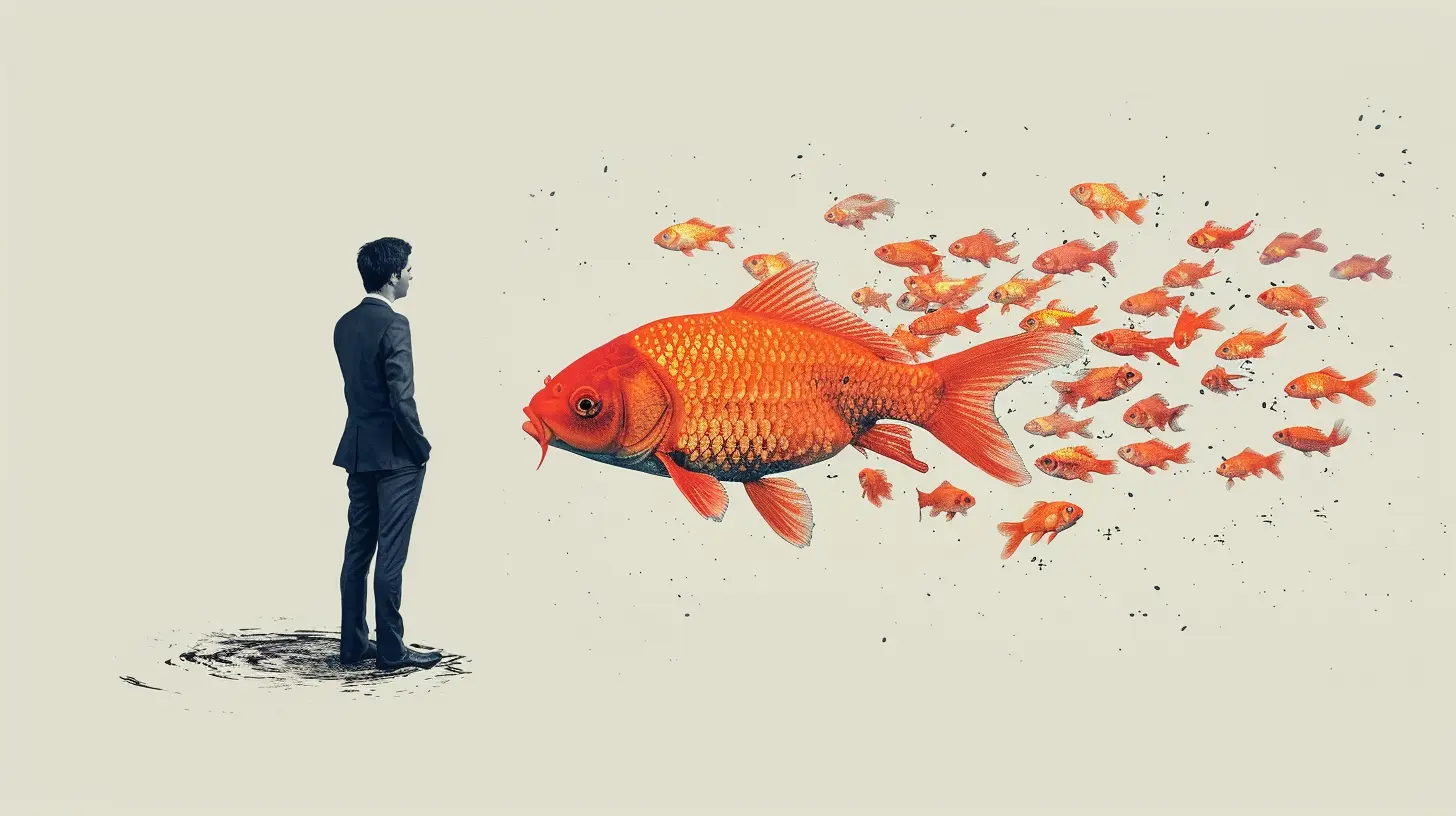
The Comfort Zone: Where Wallets Go to Die
Let’s call it what it is: Comfort is the graveyard of growth. Sure, it feels nice to:- Stick with that bank account you opened in college (even though it earns you zero interest).
- Keep all your cash sitting in a savings account during inflation.
- Hold on to individual stocks your cousin’s roommate’s barber recommended, because “you already own them.”
But this isn't a financial strategy — it's a fear-based mannequin challenge. Your comfort zone might feel safe, but it’s slowly draining your wealth like a financial mosquito buzzing in your ear. Annoying and costly, but we tolerate it because it’s familiar.

Real-Life Examples of Status Quo Bias Screwing Up Your Finances
1. The Robo-Investor Who Never Rebalances
So you dipped your toe into investing (congrats!). You picked a portfolio three years ago and haven't looked at it since. Guess what? That portfolio is now wildly out of whack. You’re sitting on some over-inflated tech stocks and underweight in boring but stable bonds. But do you rebalance?“Nah, I don’t want to mess it up.”
Newsflash: That fear of messing it up? That’s status quo bias whispering sweet nothings in your ear while your asset allocation does the financial version of the limbo.
2. Sticking With a Lousy Employer Plan
You’ve got a 401(k) through your job, which is great — except it charges fees so high that they might as well have their own frequent flyer program. But switching to a different investment option requires a few clicks and (ugh) some reading. So you don’t.See where we’re going with this?
3. Clinging to Cash Like It's 1999
Inflation is doing its level best to nuke the value of your savings. But you still won’t invest, because "the market looks scary right now." Seriously? The market always looks scary to someone. That’s like never leaving your house because the sky might fall. Chicken Little called — he wants his philosophy back.How This Bias Actually Costs You Real Dollars
People who default to "do nothing" often miss out on:- Compound interest (aka free money from Future You).
- Employer retirement matching contributions because they never enrolled.
- Lower interest rates from refinancing their mortgage or loans.
- Higher-yield savings accounts (yep, those exist).
- Better credit card rewards options.
Status quo bias doesn’t just keep you stagnant. It actively leaks money from your wallet like a slow drip — which over the years adds up to a gushing faucet of lost opportunity.
Why We Do It (Spoiler: Our Brains Are Drama Queens)
Let’s dive into the psychological swamp a bit deeper. There are three heavyweight reasons why we cling to the status quo, even when it's not doing us any favors:1. Loss Aversion
We fear losses more than we enjoy gains. It’s called loss aversion, and it means we’d rather avoid the pain of losing $100 than feel the joy of gaining $150. So we stay put. Even if “put” means “broke-ish.”2. Regret Aversion
Nobody wants to look back and say, “Oops.” So, instead of doing something productive and possibly regretting it, we choose to do nothing and definitely regret it 10 years later when we’re still renting with three roommates and a cat named after your ex.3. Choice Overload
Ever tried to pick a Netflix show for 45 minutes and then just rewatched The Office again? That’s us with financial decisions. Too many options = mental freeze. So we let our brains clock out, and we end up sticking with whatever’s already happening. Even if what’s already happening is absolutely not in our best interest.Breaking Up With the Status Quo (It’s Not You, It’s... Actually, It IS You)
Alright, enough roasting. Let’s fix this mess. Breaking free from the status quo is doable. It just requires a little courage and a lot of side-eyeing your own habits.1. Awareness: Stop Lying to Yourself
Step one: Admit there’s a problem. Next time you catch yourself saying "I'll deal with it later," ask — will you really though? Acknowledge that this basic tendency is natural but unhelpful. No shame — just honesty.2. Automate Everything
If you hate making decisions (join the club), automate them. Set up automatic transfers to your retirement account, savings account, investment portfolio, etc. The less you have to think, the less your inner sloth can sabotage you.3. Set a Date With Your Finances
Schedule a "Money Check-In" every quarter. Not too often — we’re not masochists — but enough to keep your financial ship steering straight. Review your accounts, rebalance investments, compare interest rates. Basically, clean your financial closet. You’d be amazed what’s hiding in there.4. Ask Stupid Questions (They’re Not Actually Stupid)
Talk to a financial advisor. Or your financially savvy friend. Or literally anyone who won’t judge your questions. You don’t need to know everything — you just need to ask. Being curious is way cooler than being broke and silent.5. Think in Future Tense
Imagine Future You — gray hair, stylish glasses, sipping cocktails on a beach. That version of you will be THRILLED you ditched the status quo today. Make decisions for the person you want to be, not the tired version of yourself that just wants to binge TikToks and avoid work emails.
The Real Flex? Change.
We glorify stubbornness like it’s a virtue. But guess what’s actually impressive? Being adaptable. Nimble. Willing to pivot when needed — yes, even when it’s uncomfortable.Financial success doesn’t go to the smartest or the luckiest. It goes to people who take deliberate action, who notice when status quo bias is sneaking in and kindly show it the door.
Final Pep Talk (Because You’ve Got This)
Here’s the deal: You’re not doomed to a life of financial mediocrity. You just have to stop letting your default settings run the show. Yes, change is scary. But you know what’s scarier? Retiring with regret.You’ve got dreams. Goals. A wishlist of things to do and places to see. Don’t let some outdated mental shortcut hold you hostage in your own life. You’re smarter than that. You’re braver than that.
And most importantly — your money deserves better than the status quo.
all images in this post were generated using AI tools
Category:
Behavioral FinanceAuthor:

Eric McGuffey
Discussion
rate this article
1 comments
Kirk Gill
Status quo bias limits potential; embrace change for growth.
August 15, 2026 at 10:57 AM
Eric McGuffey
Absolutely, breaking free from the status quo is essential for unlocking new opportunities and maximizing financial potential. Change can lead to growth in unexpected ways.