The Growing Importance of Mixed-Use Developments
5 August 2026
Picture this: you're sipping coffee at your favorite café just a few floors below your apartment, before walking a block over to your office. Later, you grab dinner at a rooftop restaurant and catch a movie — all without leaving your neighborhood. Sounds like a dream, right? Well, welcome to the world of mixed-use developments, where convenience, community, and lifestyle collide in the best way possible.
What The Heck Are Mixed-Use Developments, Anyway?
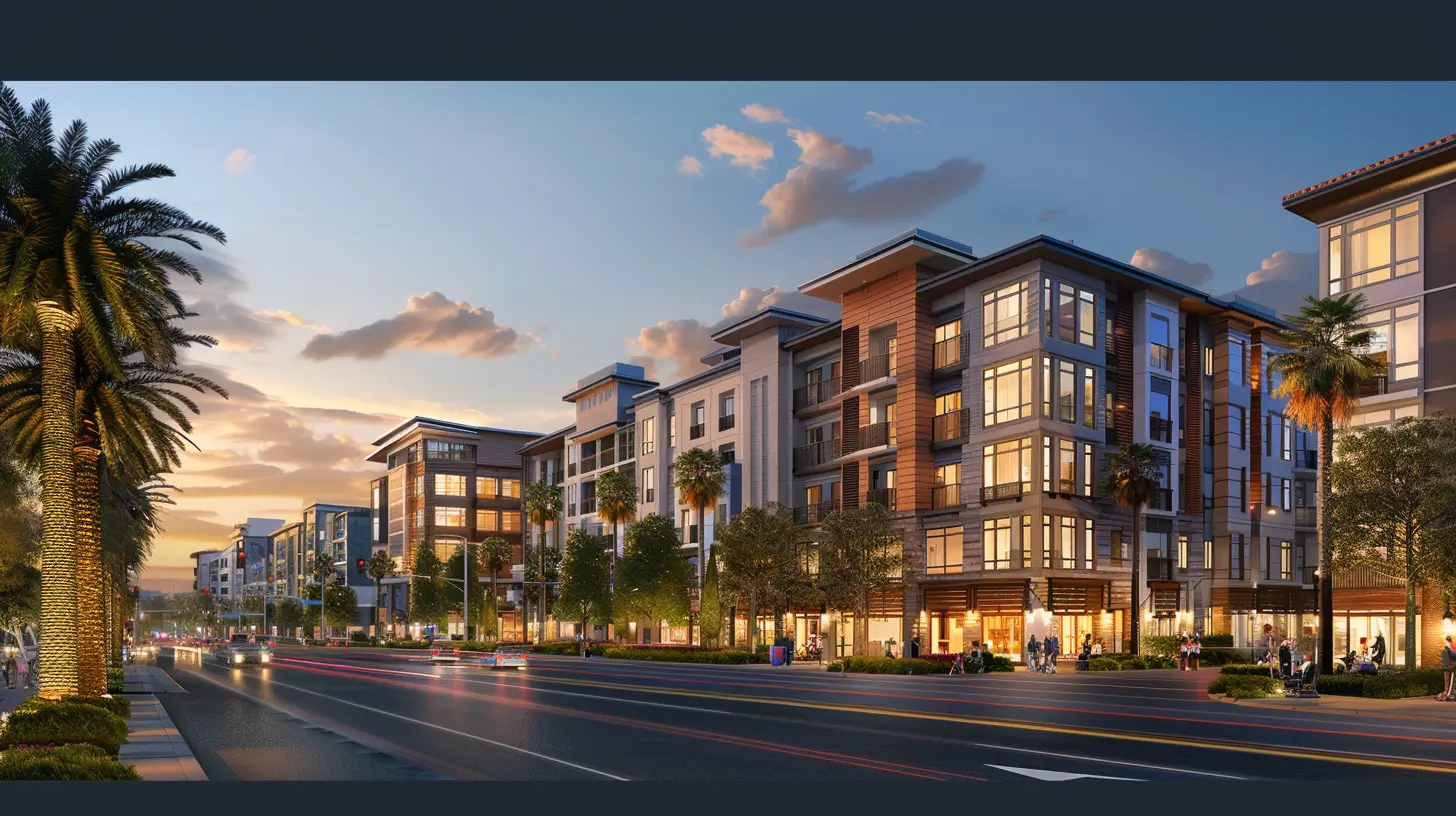
Let’s not get all buzzwordy here — mixed-use developments (or MXDs if you're feeling hip) are urban spaces that blend residential, commercial, cultural, or even industrial uses all in one big happy layout. Think apartments on top, shops on the street level, a gym in the back, and maybe a co-working space tucked somewhere in between.It’s like the Swiss Army knife of urban planning — compact, efficient, and ready for anything.
Why Are We Suddenly Obsessed With These?
Honestly, it’s kind of a no-brainer. Cities are growing, space is shrinking, and people are craving a more convenient, community-driven lifestyle. Mixed-use developments check all those boxes — and then some.But let’s break it down a little more…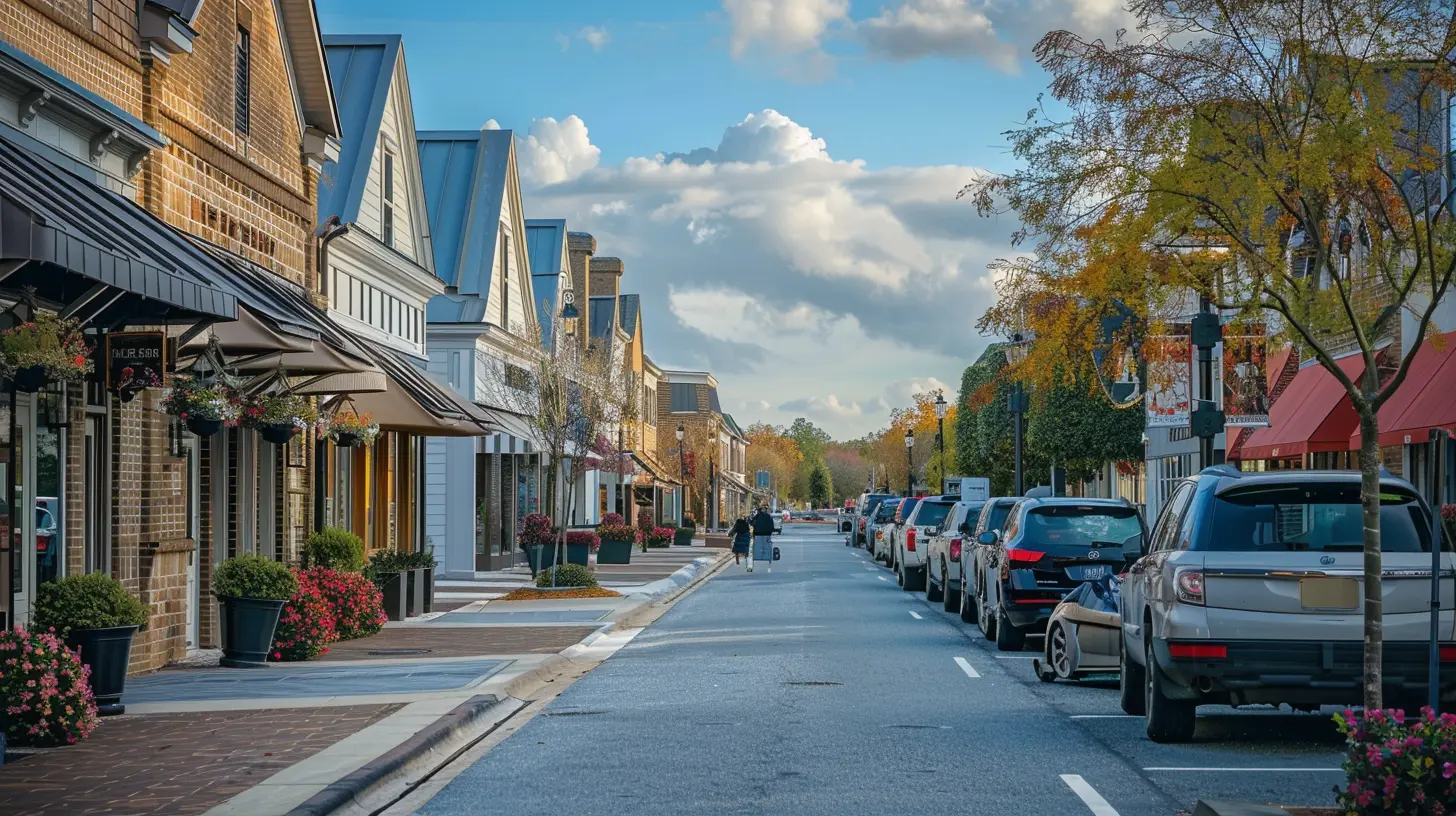
1. The Need for Urban Efficiency
Land Is Scarce — Especially in Cities
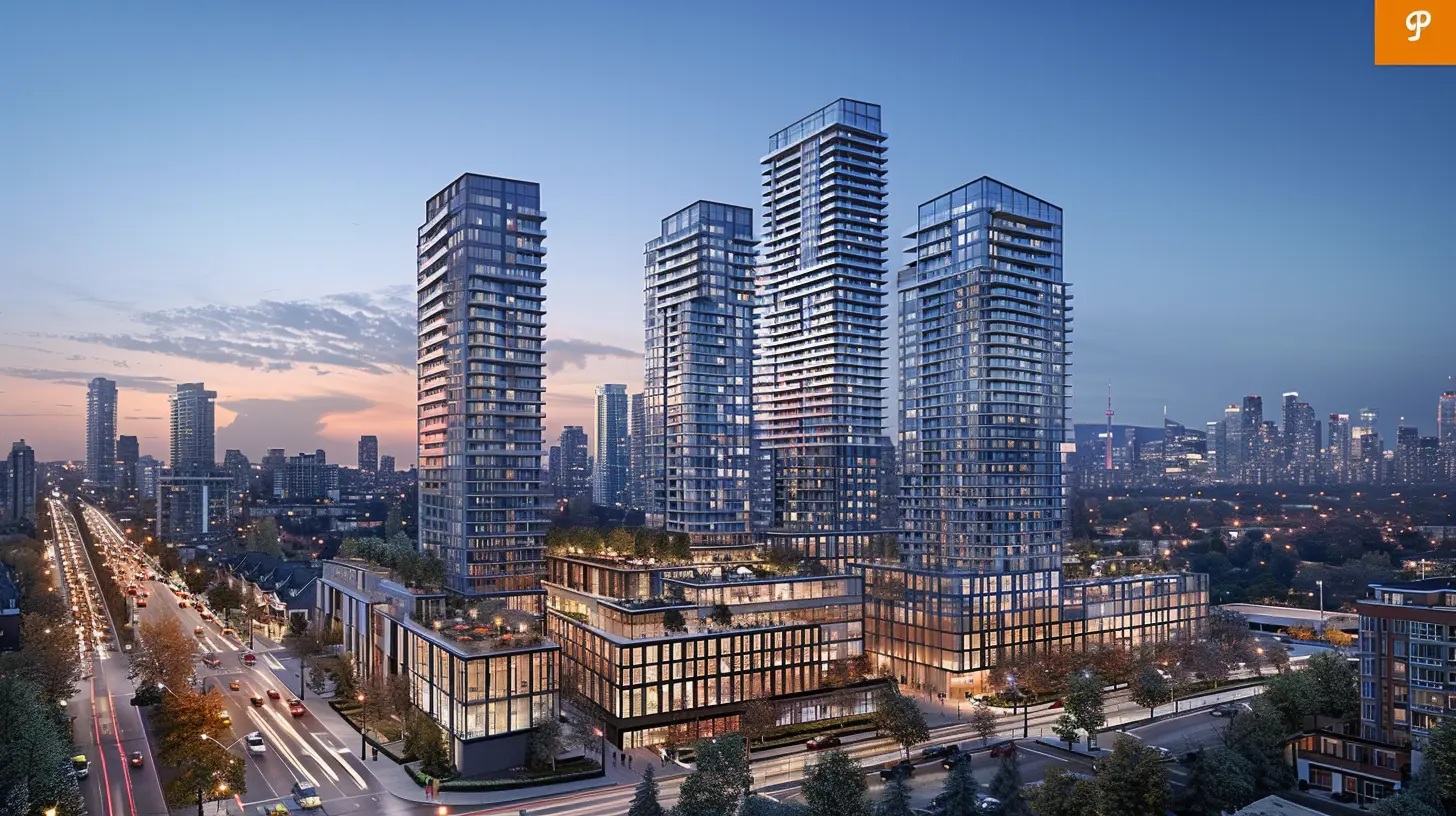
Ever tried renting a one-bedroom apartment in New York or San Francisco? Yeah… not fun. Land has become crazy expensive, and that means urban planners are looking for smarter ways to use every square inch of it.Instead of building separate spaces for living, working, and playing, we’re stacking them up like urban LEGO blocks. Mixed-use developments maximize land use, which is pure gold in cities where space is the new black.
Vertical Living Takes The Stage
We’re going up, not out. Vertical mixed-use buildings let developers combine different functionalities in one footprint. It's like having a mini-city in a single structure. Efficiency and innovation? Check and check.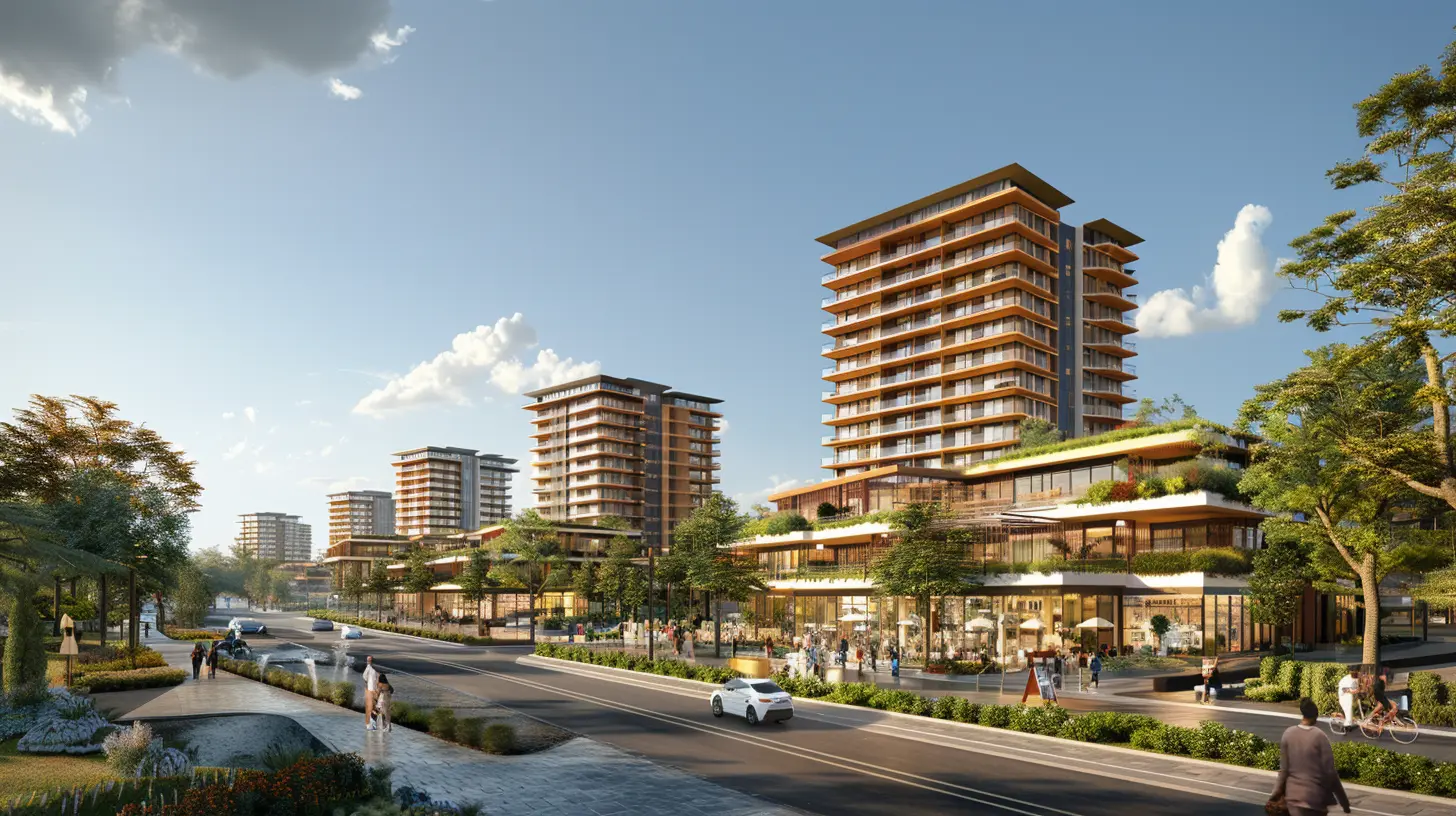
2. Economic Boon: More Than Just Real Estate Buzz
Jobs + Housing = Economic Win-Win
Think about this: workers live closer to their jobs. That means more free time, less traffic, and happier employees. By putting housing near commercial centers, mixed-use developments can revitalize dead zones and spark serious economic growth.Businesses also benefit—foot traffic from residents brings more customers to local shops, cafes, salons, and services. It’s economics with a side of espresso.
Property Values Go Up (But Not Too Fast, Hopefully)
Because mixed-use developments offer so much, property values in and around them often increase. Investors and developers love this dynamic. It's like hitting a triple-word score in Scrabble—high reward and long-term potential.3. Walkability and the War on Commutes
Bye-Bye, Rush Hour
Who doesn’t hate sitting in bumper-to-bumper traffic, watching your latte get cold and your patience run thin? One of the biggest perks of mixed-use spaces is drastically reduced commute times.People can live, work, and shop within walking distance—hell, some might not even need a car. That’s not just good for your stress levels; it’s a win for the planet, too.
Hello, Healthier Lifestyles
Want to know a secret benefit? People actually walk more in mixed-use neighborhoods. That means better physical health, more social interaction, and even lower obesity rates. Your Fitbit approves.4. Community Vibes Are Off The Charts
Urban Villages Are Making a Comeback
Mixed-use developments are kind of like modern-day villages. You get your home, your grocer, your bar, and your yoga class all in one place—and you see the same faces regularly. That builds community trust and a stronger social fabric.It’s harder to feel lonely or disconnected when you’re high-fiving your neighbor at your local taco joint every Tuesday.
Events and Activation
MXDs are designed to activate spaces with events like farmers markets, street performances, or even quirky pop-ups. These aren’t just buildings — they’re breathing, living microcosms.5. Sustainability: Going Green and Staying Lean
Energy Efficiency Hits Different
When everything is compact, energy usage gets optimized. Heating, cooling, and lighting can be more easily regulated across spaces. Shared infrastructure is more efficient, and greener materials are often used in construction.Low-Carbon Living, Anyone?
Less driving. More walking. Shared resources. That’s a sustainability cocktail mixed-use developments are serving up. And oh boy, is it refreshing.6. The Rise of the 15-Minute City
Have you heard this term pop up in city planning circles lately? The "15-minute city" is a planning concept where everything you need—work, school, groceries, healthcare, fun—is just 15 minutes away by foot or bike.Guess what helps make this possible? You betcha — mixed-use developments. They’re the glue that binds the 15-minute city dream into reality.
7. Real Estate Investors Are All-In
Diversification In One Project? Yes Please
Investors are loving the risk-reduction that comes with mixed-use properties. Don’t feel like betting the farm on residential? No problem, bundle some commercial and office into the same project.It’s diversification on steroids. Even if one piece underperforms, others help balance it out.
Long-Term Tenants Love Convenience
When people find a place that meets multiple needs, they tend to stick around. That’s great news for investors who value stable occupancy. It’s simple: tenants who love their setup = lower turnover = steady cash flow.8. Challenges? Sure. But Nothing Worth Doing Is Easy
Okay, before we romanticize MXDs too much, let’s be real. They’re not all sunshine and rooftop gardens.Higher Initial Costs
Mixed-use projects require more planning, more permits, and more cash upfront. But over time? Worth it.Zoning Nightmares
Cities aren’t always ready for these kinds of projects. Outdated zoning laws can throw a wrench in your architectural dreams faster than you can say “permit denied.”Still, the trend is pushing things forward, and more cities are adapting. Slowly, but surely.
Real-Life Examples That Totally Crush It
- Hudson Yards, New York City – Office buildings, condos, restaurants, retail, a performing arts center… all in one futuristic urban jungle.- The Pearl District, Portland – A perfect blend of warehouses turned into lofts, cozy cafes, and street-level shopping that make this place buzz with energy.
- Downtown Summerlin, Nevada – Who would've thought suburbia could be so chic?
These places prove that when done right, mixed-use developments can become iconic.
So, What Does The Future Hold?
We’re heading towards a smarter, tighter, more human-centric way of living. As remote work stays mainstream and urban stress continues to rise, people are prioritizing quality of life like never before.Mixed-use developments are riding shotgun on this journey, and they’re not slowing down. Whether you’re an investor eyeing your next project or just someone who wants to walk to your morning bagel stop, this trend isn’t just growing… it’s exploding.
Final Thoughts: Why You Should Care (Even If You're Not A Developer)
Even if you’re not in the real estate biz or dreaming up zoning maps in your free time, the rise of mixed-use developments impacts you.- You’ll likely live in or near one someday.
- Your property value may benefit.
- Your ever-hated commute might shorten.
- Your city might become greener, happier, and more livable because of them.
So yeah, MXDs might sound like urban geek speak, but they’re shaping the future of how we all live. And hey, if that future involves coffee shops downstairs and sunset views from your roof garden, count me in.
all images in this post were generated using AI tools
Category:
Real Estate MarketAuthor:

Eric McGuffey
Discussion
rate this article
1 comments
Ezra Navarro
Mixed-use developments are not just a trend; they are reshaping our urban landscapes. By blending residential, commercial, and recreational spaces, they create vibrant communities that enhance both lifestyle and economic opportunities. If you want to stay relevant, embrace this shift now...
August 5, 2026 at 3:57 AM
Eric McGuffey
Absolutely agree! Mixed-use developments are transforming cities into more engaging and dynamic places to live and work. Embracing this evolution is crucial for thriving communities.