The Herd Mentality: How Following the Crowd Can Lead to Bad Investments
20 May 2026
Investing can feel like a high-stakes poker game—everyone’s got their cards close to their chest, and you’re just trying not to lose your shirt. But one of the biggest pitfalls investors face isn’t bad luck or a lack of knowledge—it’s herd mentality.
You know that feeling when you see a long line outside a food truck, and you instantly think, "That must be the best taco in town!"? Then you wait an hour, take a bite, and realize…it’s mediocre at best. The same thing happens in investing, except instead of a disappointing taco, you could end up losing a small fortune.
So, why do people fall into the trap of herd mentality when investing? And more importantly, how can you avoid being led off a financial cliff by a stampede of hype-driven investors? Let’s break it down. 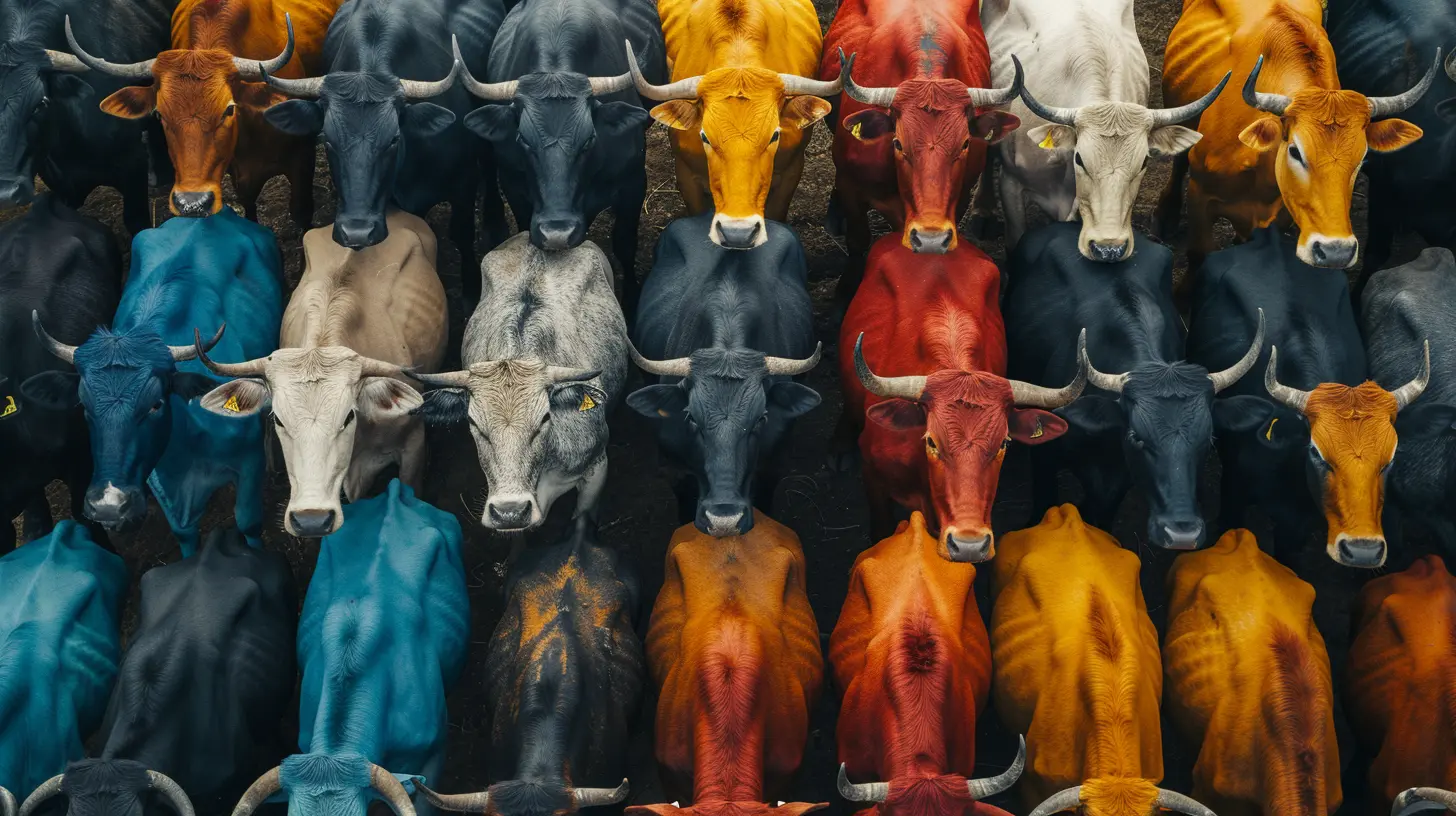
What Is Herd Mentality in Investing?
Herd mentality, or groupthink, happens when investors blindly follow what everyone else is doing instead of making decisions based on solid research and logic. It’s like seeing a bunch of people running in one direction and assuming there’s free pizza at the finish line…only to find out they were actually fleeing an explosion.Basically, it's the investing equivalent of FOMO (Fear of Missing Out). When a stock's price starts skyrocketing, people jump on the bandwagon, thinking they're about to ride a rocket straight to financial freedom. Unfortunately, many of these rockets have a habit of running out of fuel and crashing back to Earth. 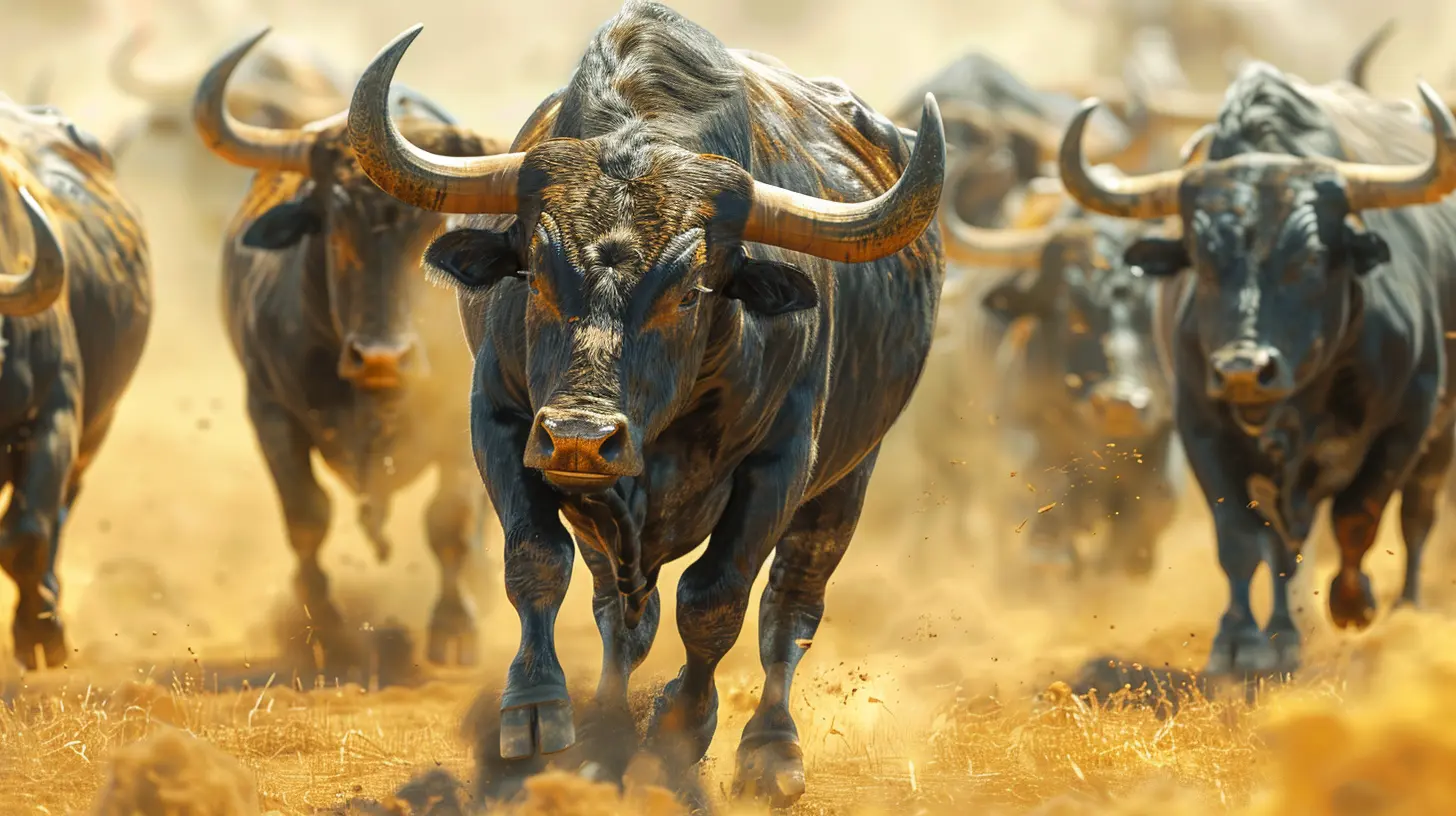
Famous Examples of Herd Mentality Gone Wrong
If you think this is just a modern-day problem, think again. Humans have been following the crowd to their financial doom for centuries.1. The Tulip Mania (1630s)
Yes, you read that right. In the 17th century, people in the Netherlands lost their minds over tulip bulbs. Prices soared as everyone wanted in on the action—until one day, buyers disappeared, causing prices to plummet. Suddenly, those priceless tulips were worth less than a bag of potatoes.2. The Dot-Com Bubble (1990s - Early 2000s)
The internet was new and exciting, and everybody wanted a piece of the action. Investors poured money into any company with ".com" in its name, regardless of whether it had actual profitability. When reality set in, stock prices crashed, wiping out billions of dollars overnight.3. The 2008 Housing Crisis
Remember when everyone thought real estate prices could only go up? Banks handed out loans left and right, people bought homes they couldn’t afford, and demand shot through the roof. Then, like a game of musical chairs, the music stopped, and the whole market collapsed.The lesson? Just because everyone’s doing it doesn’t mean it’s a good idea. 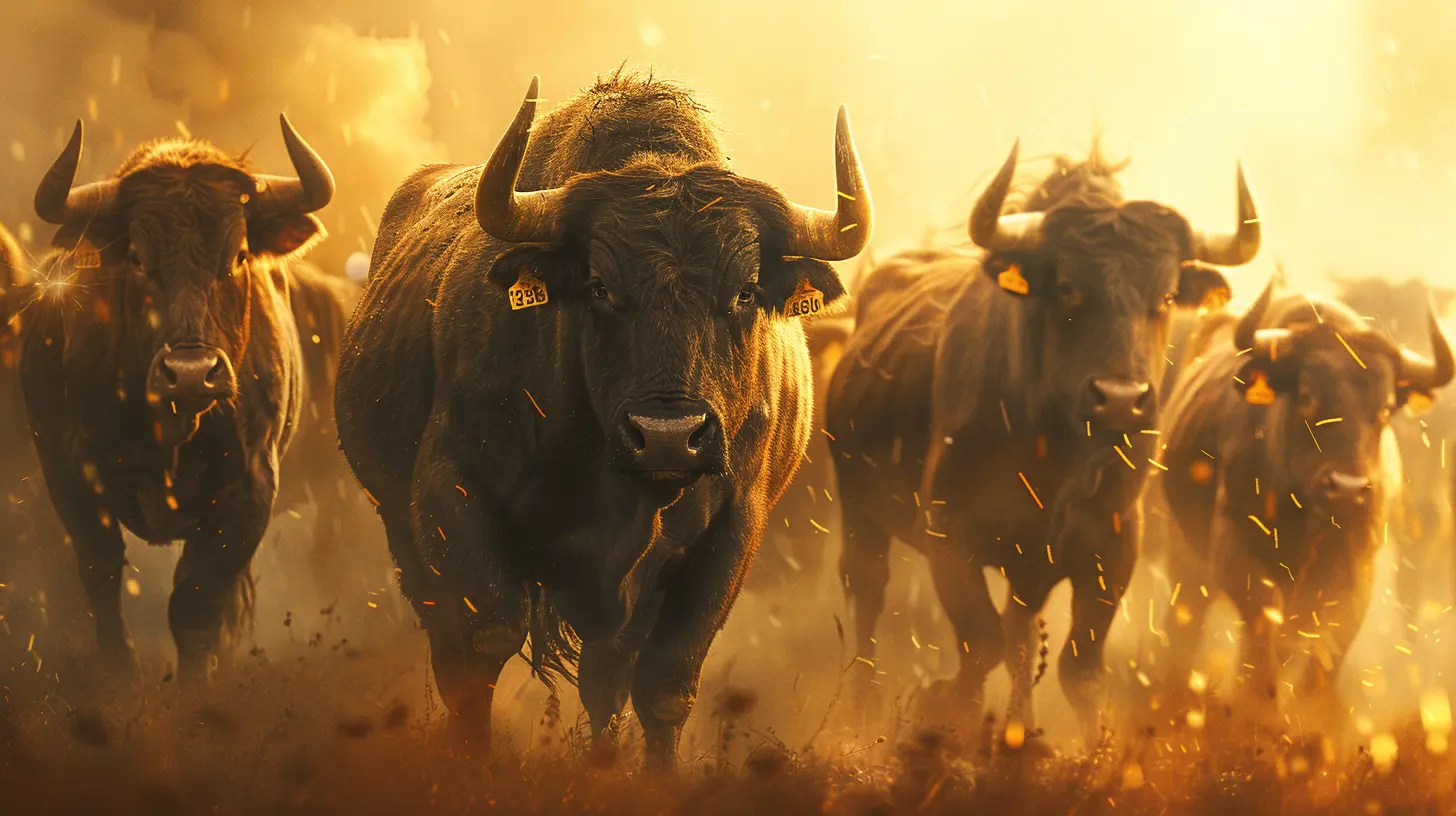
Why Do We Fall for Herd Mentality?
So, why do intelligent people keep making the same mistakes? There are a few psychological reasons:1. Fear of Missing Out (FOMO)
Ah, good old FOMO. When you hear about your coworker making a killing on a hot stock, it's hard not to feel like you're missing out on easy money. But investing isn't a lottery ticket—jumping in too late often means you're just holding the bag when the hype fades.2. Safety in Numbers
Our brains are wired to think that if many people believe something, it must be true. It’s the same reason why, at a buffet, you instinctively assume the dish with the shortest line must be the best. But in reality? Sometimes the good stuff just hasn’t been "discovered" yet.3. Media Hype and Social Influence
Financial news outlets LOVE a good rally. “XYZ Stock Skyrockets 300% in Two Weeks!” is a much juicier headline than “This Stock Might Be Somewhat Overvalued.” Social media only makes things worse, with influencers hyping stocks based on vibes rather than fundamentals.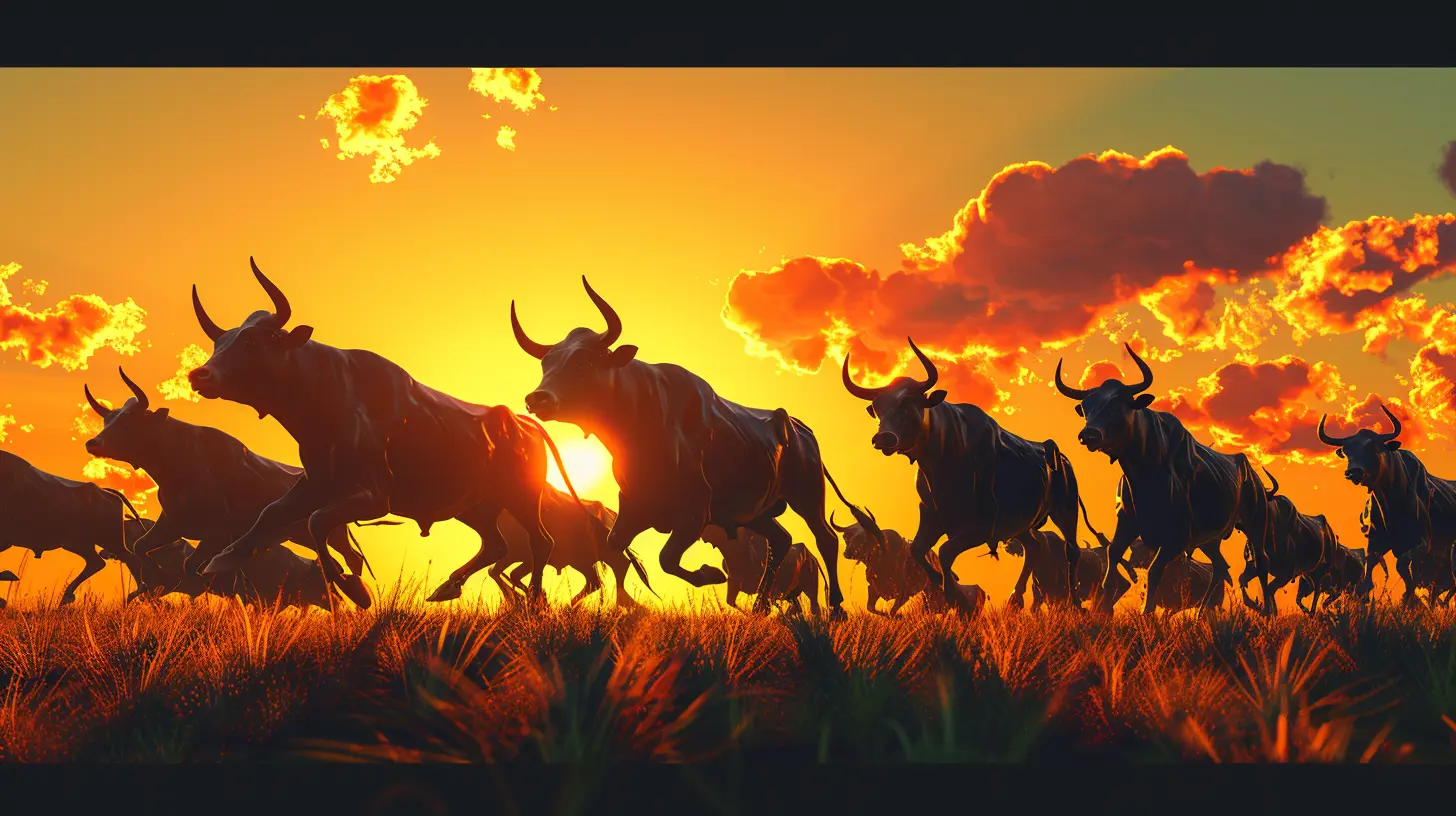
The Dangers of Herd Investing
Following the crowd might feel safe, but it comes with serious risks.1. Buying High, Selling Low
Most people jump into a stock after it’s already surged in price. By the time they realize they’ve overpaid, the stock is tanking, and panic selling begins. Congratulations, you just bought an overpriced stock and sold it for a loss.2. Loss of Independent Thinking
When you rely on groupthink, you stop thinking critically. Instead of researching a company’s financials, business model, and long-term potential, you base your decision on trending hashtags and watercooler gossip.3. Market Bubbles and Crashes
When too many investors irrationally inflate asset prices, it creates a bubble. And what do bubbles do? They pop—spectacularly. History has shown that the bigger the bubble, the harder the crash.How to Avoid Herd Mentality in Investing
Alright, now that we’ve scared you sufficiently, let’s talk about how to steer clear of the herd and make smarter investment decisions.1. Do Your Own Research (DYOR)
Don’t invest in something just because your uncle, neighbor, or favorite influencer swears it’s the next big thing. Look at company fundamentals, earnings reports, and industry trends before making a move.2. Think Long-Term
Many herd-driven investments are short-term fads. Instead of chasing quick gains, focus on companies with real growth potential and strong financials. Warren Buffett didn’t build his fortune by panic-buying meme stocks—neither should you.3. Question the Hype
If a stock is making headlines for skyrocketing in price, ask yourself: Is this company actually worth it, or is it just riding a wave of excitement? If the answer leans toward hype over substance, proceed with caution.4. Have a Strategy and Stick to It
Develop an investment plan based on your financial goals, risk tolerance, and research. When you have a solid strategy, you're less likely to be swayed by market hysteria.5. Tune Out the Noise
The financial world is full of noise—hot stock tips, trending investments, and “experts” promising sure things. Block out the distractions, and focus on facts, not speculation.Final Thoughts
Herd mentality in investing is like following a crowd into a building labeled "Free Money," only to realize too late it's actually a trap. While it might feel safer to move with the masses, history has shown that blindly following the crowd often leads to disastrous results.Instead of basing your investment decisions on hype and speculation, take a deep breath, do your homework, and make smart, independent choices. Because in the end, the best investors are the ones who think for themselves.
all images in this post were generated using AI tools
Category:
Behavioral FinanceAuthor:

Eric McGuffey
Discussion
rate this article
1 comments
Vex McCune
Great insights! It's crucial to remember that just because everyone is doing something doesn't mean it's the right choice. Trust your research and intuition. Staying informed and making independent decisions can pave the way for smarter investments. Embrace your unique perspective and break away from the crowd for better success!
May 23, 2026 at 3:02 AM
Eric McGuffey
Thanks for your thoughtful comment! Trusting your research and staying true to your perspective is key in avoiding the pitfalls of herd mentality.