The Role of Bankruptcy in Staving Off Foreclosure
7 May 2026
Foreclosure: the dreaded "F" word that keeps homeowners up at night. No one buys a home thinking they'll one day face losing it, but life happens—job losses, medical emergencies, or just a rough financial patch. When the mortgage payments pile up and the lender starts knocking, it's easy to feel like you're backed into a corner. But before you throw in the towel, there’s a potential lifeline: bankruptcy.
Yep, the word "bankruptcy" might sound just as scary as "foreclosure," but in reality, it can be the very thing that saves your home. Let’s dive into how bankruptcy can help stave off foreclosure, what types of bankruptcy work best, and whether it’s the right option for you. 
Understanding Foreclosure: What’s the Big Deal?
Before we get into how bankruptcy can help, let’s break down foreclosure.Foreclosure happens when you’ve fallen behind on your mortgage payments, and your lender decides to take legal action to repossess the home. It’s not an overnight process, but once it starts, it can be incredibly difficult (and stressful) to stop.
Here’s what typically happens:
1. Missed Payments – Usually, after missing a few mortgage payments, your lender will send warning letters or attempt to work out a payment plan with you.
2. Notice of Default – After about 3–6 months of missed payments, the lender formally notifies you that foreclosure proceedings are starting.
3. Auction or Sale – If you don’t catch up or make arrangements, your home is put up for auction or sold by the lender.
4. Eviction – Once the home is sold, the new owner can legally remove you from the property.
It’s a brutal process, emotionally and financially. But bankruptcy can throw a wrench into this timeline and give you a fighting chance. 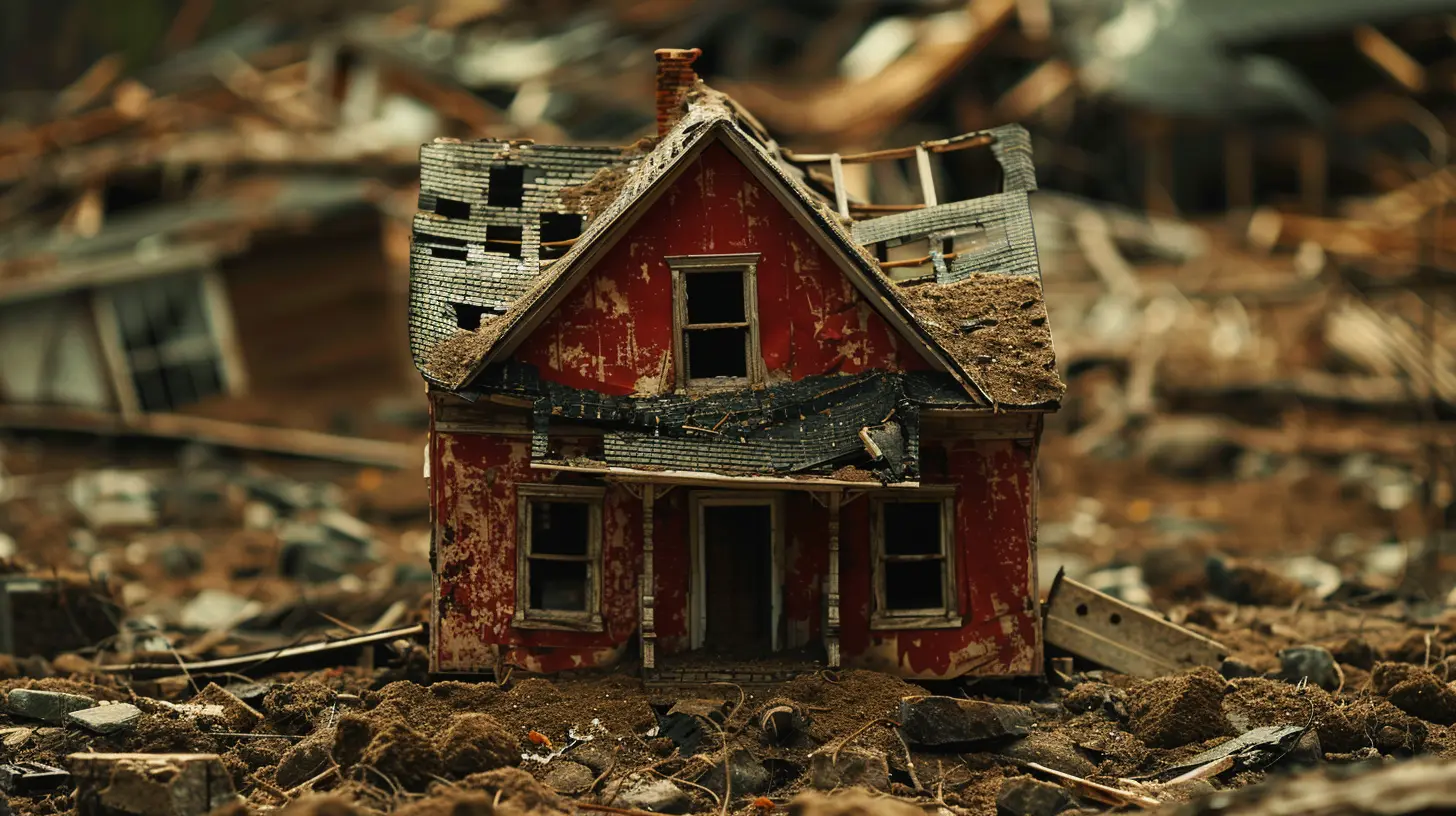
How Bankruptcy Throws a Lifeline
When you file for bankruptcy, something called the automatic stay kicks in. Think of it as a giant "pause" button on all collection activities, including foreclosure. This gives you time to regroup and figure out the next steps.But not all bankruptcy types are created equal. Let’s break down the main options. 
Chapter 7 vs. Chapter 13: Which Works Best?
The two most common types of bankruptcy for homeowners are Chapter 7 and Chapter 13. While both can help with foreclosure, they work in very different ways.Chapter 7: Liquidation Bankruptcy (A Quick Reset, But With a Catch)
This is the most common type of bankruptcy for people drowning in debt. It wipes out most unsecured debts (like credit cards and medical bills), giving you a fresh start. However, it has a major downside when it comes to foreclosure.- Pros:
✅ Eliminates most of your debts
✅ Quick process (usually 3-6 months)
✅ May allow you to stay in your home for a short time while sorting things out
- Cons:
❌ Doesn't help you catch up on mortgage payments
❌ You could still lose your home once the bankruptcy case is closed
So, while Chapter 7 might delay foreclosure temporarily, it doesn’t provide a long-term solution if you're behind on payments.
Chapter 13: The Home-Saver Plan
If Chapter 7 is a quick escape, Chapter 13 is the strategic battle plan. Instead of wiping out debts immediately, it restructures them into a repayment plan that lasts 3-5 years.- Pros:
✅ Stops foreclosure and gives you time to catch up on missed payments
✅ Lets you keep your home if you stick to the plan
✅ Can eliminate some of your unsecured debts
- Cons:
❌ Requires steady income to make payments
❌ Takes longer (3-5 years of repayment)
❌ Not everyone qualifies
This is often the best option for homeowners who have fallen behind on mortgage payments but still have enough income to get back on track. 
The Automatic Stay: Your Secret Weapon Against Foreclosure
One of the biggest benefits of filing for bankruptcy is the automatic stay. The moment you file, creditors have to back off—no more harassing phone calls, no more collection letters, and, most importantly, foreclosure proceedings grind to a halt.However, lenders aren’t entirely powerless. If they think you’re abusing the system (for example, filing repeatedly just to delay foreclosure), they can ask the court to lift the stay. So, while it’s an effective tool, it’s not a foolproof shield.
Can Bankruptcy Erase Your Mortgage Debt?
Unfortunately, bankruptcy doesn’t magically make your mortgage disappear. Your lender still holds the lien on your home, meaning if you don’t make payments, they can still foreclose.What bankruptcy can do, especially in Chapter 13, is allow you to restructure your payments and possibly eliminate other debts (like credit card balances), freeing up money to pay your mortgage.
In some cases, if you have a second mortgage or home equity loan, Chapter 13 might allow you to strip away that debt if your home’s value has dropped significantly. This isn't always possible, but it can be a game changer for struggling homeowners.
Is Bankruptcy the Right Move for You?
Filing for bankruptcy isn’t a decision to take lightly. It impacts your credit, stays on your record for years, and can make borrowing more challenging in the future. But if it’s your last resort to save your home, it might be worth considering.Here are a few questions to ask yourself:
✔️ Are you behind on mortgage payments but have a steady income? (Chapter 13 might help.)
✔️ Do you have overwhelming debt that’s making mortgage payments impossible? (Chapter 7 could provide relief.)
✔️ Are you willing to stick to a repayment plan for several years? (Chapter 13 requires commitment.)
✔️ Have you explored loan modifications or refinancing? Bankruptcy should be a last resort.
Other Alternatives to Consider
Before jumping into bankruptcy, consider other options:? Loan Modification: Some lenders offer programs that adjust your loan terms to make payments more manageable.
? Forbearance: Temporary relief from payments while you get back on your feet.
? Selling the Home (Short Sale): If keeping the home isn’t feasible, selling it could help you walk away without foreclosure on your record.
? Refinancing: If your credit is still in decent shape, refinancing could lower your monthly payments.
Final Thoughts
Bankruptcy may sound like the financial equivalent of a Hail Mary pass, but for many struggling homeowners, it’s a real shot at keeping their home. Chapter 7 can delay foreclosure, while Chapter 13 offers a structured way to catch up on payments and stop foreclosure altogether.The key is to act sooner rather than later. The longer you wait, the fewer options you’ll have. If you’re facing foreclosure and considering bankruptcy, talking to a financial advisor or bankruptcy attorney can help you make the best choice for your situation.
At the end of the day, bankruptcy isn’t a magic wand, but it can be the ladder you need to climb out of financial quicksand.
all images in this post were generated using AI tools
Category:
Foreclosure PreventionAuthor:

Eric McGuffey
Discussion
rate this article
1 comments
Flynn Monroe
Bankruptcy: the financial equivalent of a superhero cape. It swoops in just when you think you've hit rock bottom, providing a second chance to dodge the foreclosure villain. It's not always pretty, but sometimes you need a little chaos to restore order in your financial life... and maybe save your home too.
May 10, 2026 at 11:12 AM
Eric McGuffey
That's an interesting take! Bankruptcy can indeed be a lifeline for many facing foreclosure. It offers a chance to regroup and find a path forward.