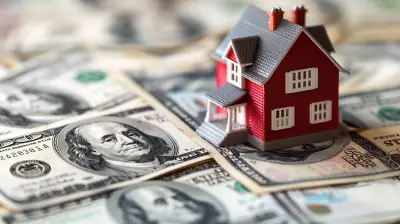
The Role of Land Scarcity in Real Estate Appreciation
8 July 2026
When you think about why real estate prices climb, what usually comes to mind? Maybe it's a booming economy, low interest rates, or maybe people just want to live in a certain city. But there's one major factor that often flies under the radar—and that's land scarcity. Yep, the old classic: supply and demand.
Let's break it down, nice and easy. We're going to dig into how the limited availability of land plays a massive role in pushing real estate prices up. And by the end of this post, you'll have a deeper understanding of why property is still one of the smartest investments out there.
What Exactly Is Land Scarcity?
Alright, first things first—what do we mean by “land scarcity”?Land scarcity simply refers to the fact that there’s a limited amount of usable land in the world. Sure, the Earth is huge, but not all of it is suitable for building homes, shopping malls, office parks, or apartment towers. Zoning laws, environmental protection rules, geographical limitations like mountains and water bodies, and even cultural landmarks all restrict how much land can actually be developed.
To put it in perspective: Think of the real estate market like a game of musical chairs. There are way more players (homebuyers, investors, renters) than there are chairs (pieces of land). And every time the music stops (aka when demand spikes), someone is going to pay more to grab a spot.
Why Land Is a Finite Resource
So, why is land considered finite? Well, here’s the thing—it’s the one resource we absolutely can’t make more of. Unlike stocks or even new buildings, we can’t manufacture land. Once usable plots are taken up, that’s it. Done. Over.Let’s think of it like cake. If you're at a birthday party and the cake has been sliced up and handed out, you can't just make more cake on the spot. The same deal applies to land—once it’s gone, it’s gone. Unless you’re planning on living on Mars.
This limitation becomes even more obvious in highly populated cities. Look at places like Manhattan, Tokyo, or London. Land is so scarce there that people are literally building up into the sky because horizontal space is maxed out.
The Basic Economics: Supply vs. Demand
Let’s get a bit geeky with some simple economics—but don’t worry, I’ll keep it friendly!In any market, prices go up when demand is greater than supply. That’s Real Estate 101. When land is scarce, and more people want to live or invest in a particular area, competition heats up. That pushes prices up—sometimes fast, sometimes slow, but always upward in the long run.
It’s like bidding on a rare collector's item. Only a few people can own it, and the more people that want it, the higher the price goes. Same with real estate in land-scarce areas.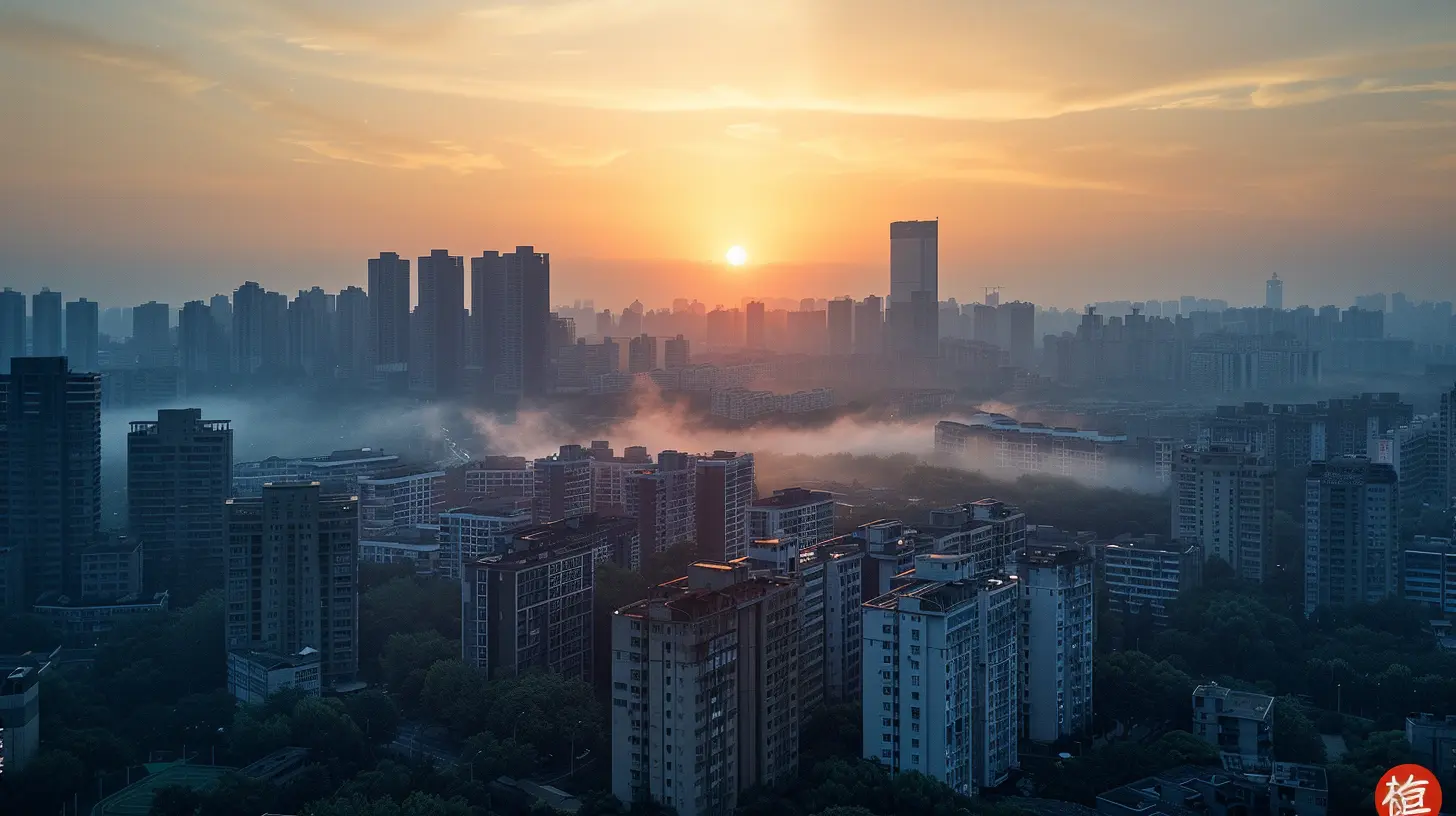
Urbanization and Population Growth: Adding Fuel to the Fire
Now let’s add a couple of things to the mix: urbanization and population growth. These two are turning up the heat on land scarcity like never before.Every year, more and more people move into cities. They’re chasing jobs, education, healthcare—you name it. And where do all these folks want to live? In the same hot metropolitan areas where land is already limited.
Take Silicon Valley as a prime example. Tech companies are everywhere, salaries are high, and opportunities are abundant. But the land? Super limited. As a result, real estate prices there have skyrocketed over the years.
So, more people + limited land = serious price appreciation.
Infrastructure Development: A Blessing or a Curse?
Here’s where it gets a little more nuanced. Infrastructure development, like new highways, rail systems, or airports, often opens up new areas for development. That might seem like it eases land scarcity, right?Well, yes and no.
It does open up previously less-desirable areas, which can temporarily reduce pressure in high-demand zones. But it also attracts more people and investment into those newly connected regions. The result? Demand catches up, and land prices start climbing again.
So even though new infrastructure can “unlock” land, it often ends up fueling appreciation rather than slowing it.
Zoning and Land Use Regulations
Okay, here’s a big one that most people don’t even think about: zoning laws. These are the rules set by governments about what can be built where. Sounds boring, I know, but stick with me.Zoning laws can restrict how land is used. Some areas are zoned strictly for residential, others for commercial purposes. And then you have height restrictions, density limits, and historic preservation rules. All of these can throttle how much is built, even if there’s technically land available.
So even if a city looks like it has room to grow, regulations can still create artificial scarcity. And guess what? That drives real estate prices up too.
The Psychological Factor of Scarcity
Let’s take a moment to talk about human psychology—because it’s definitely playing a role here.Scarcity triggers urgency. It’s a basic instinct. When people hear something is limited—whether it’s sneakers, concert tickets, or beachfront property—they rush to get their piece of it.
If investors believe that land in a specific area is becoming scarce, it leads to a buying frenzy, which in turn pushes real estate prices even higher. It's like a self-fulfilling prophecy.
Remember the toilet paper panic-buying during the early days of COVID-19? Same concept—except with million-dollar homes instead of paper rolls.
Case Studies: Real-World Examples
Let’s bring this all home with some real-world examples that show land scarcity driving up real estate values.1. Hong Kong
Hong Kong is practically the poster child for land scarcity. It's built on a bunch of islands and surrounded by mountains. There's simply not enough flat land to go around. The result? Sky-high property values. Tiny apartments there can cost more than huge homes in other parts of the world.2. San Francisco
Between strict zoning laws, geographical constraints like hills and water, and massive tech-driven migration, San Francisco has seen crazy real estate appreciation. Despite local efforts to build more housing, the demand continues to outpace supply.3. Vancouver
Another prime example is Vancouver, Canada. With the ocean on one side and mountains on the other, there’s very limited space for expansion. Add to that a flood of foreign investment, and you’ve got a recipe for exponential price growth.Can Land Scarcity Be Overcome?
We’ve painted a pretty intense picture so far, but it’s worth asking—can land scarcity be solved?Well, sort of.
Cities can try to manage this pressure by embracing higher-density living, like apartment high-rises and mixed-use developments. Some places are even exploring floating buildings and artificial islands. But in most cases, these are just temporary fixes.
At the end of the day, the land itself remains limited. We can get creative with how we use it, but we can’t make more of it. So, appreciate what’s there—literally.
The Takeaway for Investors
If you’re thinking about getting into real estate investing—or even just buying your first home—land scarcity is something you should absolutely keep in mind. It’s not just a buzzword. It’s a long-term driver of value that’s been baked into the system since day one.Areas with limited land and high demand tend to see the most appreciation. So don’t just look at current prices—look at potential scarcity. Is the area landlocked? Are zoning laws tight? Is the population growing quickly?
These are the clues that tell you whether an area’s values are likely to soar in the coming years.
Final Thoughts
So there you have it—the lowdown on how land scarcity impacts real estate appreciation.It’s not just about buildings; it’s about the ground they sit on. As more people compete for less and less usable space, land becomes increasingly valuable. And that value gets passed on to the homes, shops, and offices we build.
In a world where the population is growing, but land isn’t, owning real estate in a scarce area is like owning a slice of gold. Not just today, but for generations to come.
all images in this post were generated using AI tools
Category:
Real Estate MarketAuthor:

Eric McGuffey
Discussion
rate this article
1 comments
Fable Kearns
This article raises intriguing questions about how land scarcity impacts real estate prices. What factors should investors consider in different regions? Is it possible that technological advances could shift the balance? I'd love to see more insights on the long-term effects of urban planning in relation to land availability.
July 14, 2026 at 12:10 PM
Eric McGuffey
Thanks for your thoughts! Investors should consider local demand, economic growth, and zoning laws. Technological advances can definitely impact land use and accessibility. Urban planning will play a key role in shaping the long-term effects of land scarcity on real estate.