Understanding the Role of Charitable Foundations in Society
3 July 2026
Let’s be honest—when most people hear the words “charitable foundation,” they mentally leap to wealthy tycoons, big checks, and gala dinners. Sounds fancy, right? But believe it or not, there’s so much more going on behind the scenes. Charitable foundations aren’t just a rich person’s tool for tax deductions or PR sparkle—they’re silent engines quietly shaping our world.
From funding life-saving research to fueling food banks, these under-the-radar organizations influence almost every aspect of modern life. So, if you've ever wondered who's pulling some of the generous strings in our society, buckle up. We're taking a deep dive into the mysterious world of charitable foundations—minus the boring jargon.
What Exactly Is a Charitable Foundation?
Okay, let’s start at square one. A charitable foundation is, in plain English, a nonprofit organization that uses its money to support causes it believes in. It's the financial muscle behind many social initiatives, funneling funds into community projects, education, health, arts, and even disaster relief efforts.But here's the kicker: not all foundations are the same.
There are two main types:
- Private Foundations – Usually funded by a single donor (think individuals, families, or corporations).
- Public Foundations – These raise money from the public to support various causes.
Both types aim to do good, but they operate differently. Private ones might have more control but rely on fewer funding sources. Public ones work with many small (and big) donors to keep the wheels turning.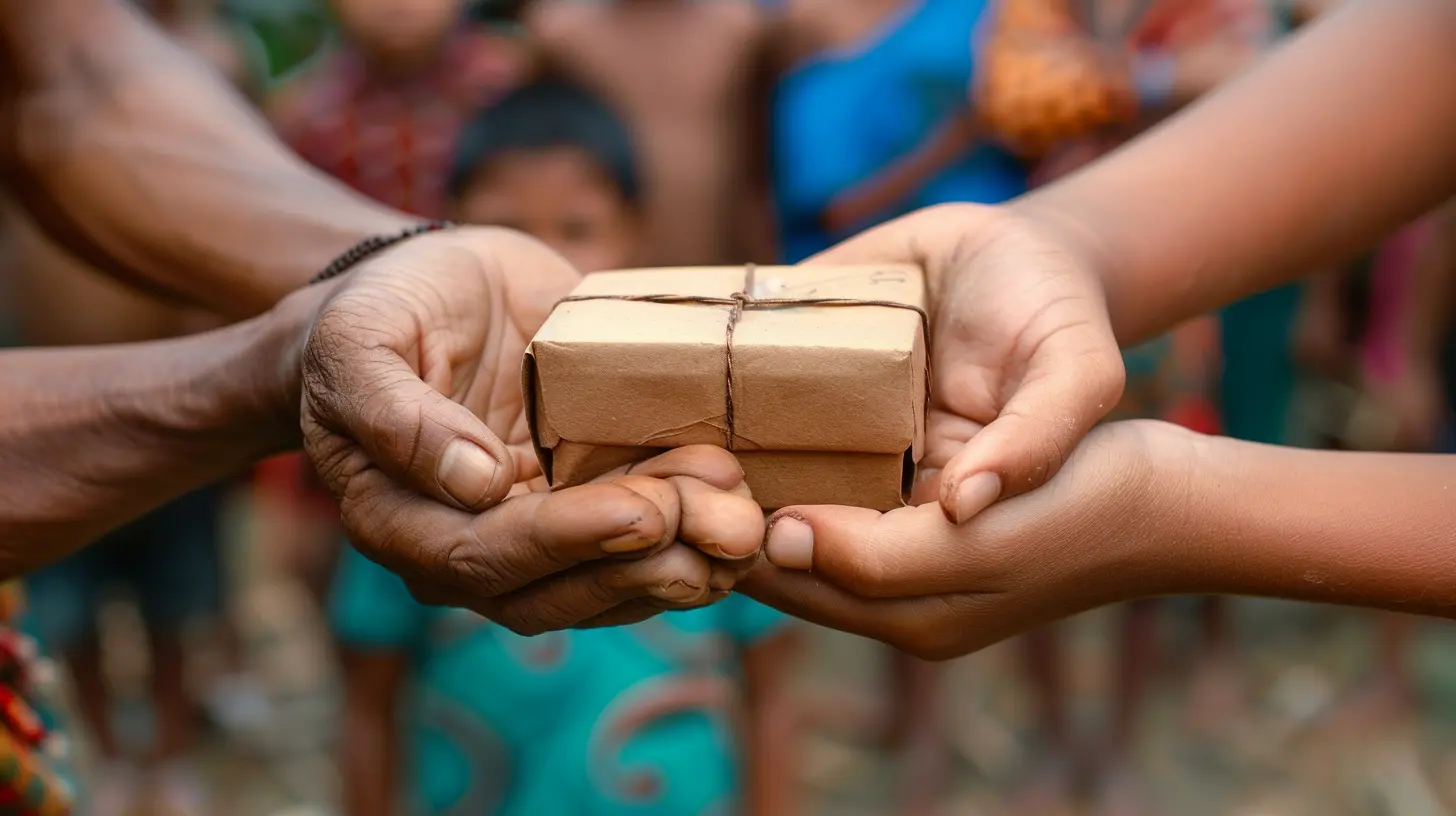
Why Do Foundations Exist?
Great question. Is it just philanthropy? Tax benefits? A mix of both?Truthfully, foundations exist for multiple reasons:
- To give back to society. Many wealthy individuals or corporations feel a responsibility (or pressure) to do something good with their money.
- To solve problems. Governments can’t do it all. Foundations can be nimble, creative, and experimental in ways public institutions can’t.
- To preserve legacies. Let's face it, having a charitable foundation named after you is a fancy way to be remembered.
But beyond the motivations, it's the impact that really matters.
Unveiling Their Social Power: What Do They Really Do?
Imagine foundations as behind-the-scenes producers of a movie. You rarely see them, but without them, the whole thing falls apart. Here's a sneak peek at how they quietly shape our social landscape:1. Fueling Innovation
Foundations are some of the earliest backers of ideas that seem crazy at first but eventually change the world. For example, when tech for clean water was still just blueprints, guess who funded the prototypes? That’s right—foundations.They're risk-takers. They fund moonshots. And they bet on people and projects when no one else will.
2. Filling the Gaps Government Leaves Behind
Let’s not sugarcoat it—public services are often stretched thin. Whether it's healthcare, education, or housing, resources are limited. Foundations often step in as the safety net. They create scholarships, support community health clinics, and fund after-school programs in underserved neighborhoods.It’s like patching a leaky boat. The government's trying to steer, but without extra support, the ship won’t stay afloat.
3. Advocating for Change
Some foundations go beyond writing checks. They push for systemic changes—tackling root causes rather than symptoms. Think racial justice, climate change, income inequality—they’re in the thick of it, funding advocacy campaigns, policy research, and grassroots movements.They’re not just helping people survive; they’re trying to rewrite the playbook so everyone has a fair chance.
The Numbers Behind the Good
Still not convinced of their power? Let’s toss in a few facts to add some weight.- As of recent data, there are over 100,000 private foundations in the U.S. alone.
- Together, they hold nearly $1.2 trillion in assets and give out over $85 billion annually.
- Globally, thousands of foundations operate across every continent, funding everything from clean energy to crisis relief.
In short? That’s a lot of money quietly shaping society.
Secrets of the Silent Giants: Real-World Examples
Want some inspiration? Let’s peek into the lives of some well-known (and lesser-known) foundations that are changing lives.The Bill & Melinda Gates Foundation
This one’s probably the rockstar of the foundation world. They focus heavily on global health, education, and poverty. From fighting malaria to improving public school systems, they operate like a private version of the UN (with a massive wallet).The Ford Foundation
Not to be confused with the car company, this foundation has been in the game since the 1930s. They focus on human rights, economic fairness, and cultural expression.Local Community Foundations
You don’t have to be a billionaire to make a splash. Many towns and cities have community foundations that pool resources from grassroots donors. These smaller foundations support local art, small businesses, youth programs—you name it.These folks are like neighborhood superheroes—quiet but deeply impactful.
The Mystery of Donor-Advised Funds (DAFs)
Time for a twist in the plot.Enter: Donor-Advised Funds, or DAFs. These aren’t technically foundations but are often used in similar ways.
Here’s the deal: wealthy folks or companies can put money into a DAF, get immediate tax benefits, and then decide later where the money goes. It’s like a charitable piggy bank—you fill it now, donate later.
Sounds good... until you realize over $140 billion is sitting in these funds unspent. That’s a lot of potential help gathering dust. Some critics argue that this delays or limits actual impact.
So while DAFs offer flexibility, there’s a catch—they don’t have to give the money away right away. Mysterious? Definitely.
Transparency: A Cloudy Crystal Ball
You’d think with so much money floating around, foundations would be completely transparent. But not always. Some are open about where their money goes, while others are a bit more... elusive.Why does this matter? Because accountability is key. If a foundation claims to tackle poverty but spends most of its funds on executive salaries and branded T-shirts, we’ve got a problem.
Transparency builds trust. And in the nonprofit world, trust is currency.
Challenges They Face
Let’s not pretend it’s all sunshine and rainbows. Foundations face a ton of challenges:- Balancing impact vs. influence. Too much influence, and they might overshadow community voices.
- Sustainability. Relying on investments means they’re vulnerable to market dips.
- Accountability. How do we ensure foundations serve the public—not just the founders?
It’s a tightrope walk. But the good ones figure it out. And when they do, the results can be transformative.
The Future of Charitable Foundations: What’s Next?
Here's the exciting part—foundations are evolving. The new generation of philanthropists is breaking molds, ditching the suit-and-tie boardrooms for grassroots collaborations, digital outreach, and even cryptocurrency donations.They’re asking tough questions like:
- “How can we measure real impact?”
- “Are we empowering people or simply helping them cope?”
- “What if we stopped managing problems and started solving them?”
There's a shift from charity to justice. From temporary fixes to lasting change.
And you? You’re part of this story. Whether as a donor, a volunteer, or simply someone who cares, your voice and actions matter more than ever.
Final Thoughts: Why This All Matters
Charitable foundations might not make the headlines every day, but their fingerprints are everywhere—in your community, your schools, your hospitals, even your news feed.They’re the quiet architects of change, working behind the scenes to patch cracks in the system, lift up voices that often go unheard, and challenge the status quo.
So next time you hear about a foundation launching a new initiative, take a closer look. There’s probably more to the story than meets the eye.
And who knows? Maybe you’ll be inspired to create ripples of your own.
all images in this post were generated using AI tools
Category:
Charitable GivingAuthor:

Eric McGuffey
Discussion
rate this article
1 comments
Faenor McAndrews
Charitable foundations play a vital role in addressing societal issues. Their contributions often go unnoticed, yet they create lasting change and inspire hope in communities everywhere.
July 13, 2026 at 10:25 AM
Eric McGuffey
I completely agree. Charitable foundations often work behind the scenes, but their impact is profound and far-reaching. They truly help transform lives and communities. Thank you for your insight!