Understanding the Shift to Suburban Real Estate Markets
2 December 2025
Over the past few years, something really interesting has been happening in the world of real estate. Cities that used to be the hot spots for property investment are starting to feel a bit... well, left out. Why? Because more and more people are packing up and heading to the suburbs. That’s right—there’s a full-blown suburban shift happening, and it’s not just a trend. It’s a movement. If you're scratching your head wondering why this is happening, sit tight. Let’s break it all down and see why suburban real estate markets are suddenly in the spotlight.

Why Are People Moving to the Suburbs?
Okay, let’s start with the big question. Why the suburbs? What’s so appealing about trading in a downtown high-rise for a house with a lawn?1. Remote Work Changed the Game
This shift didn’t just appear out of the blue. The COVID-19 pandemic flipped the working world on its head. Suddenly, people weren’t tied to downtown offices anymore. With remote work becoming a permanent setup for many, workers realized they didn’t have to live near their jobs.Why pay premium prices for a tiny apartment in the city when you can have a spacious home in the suburbs—maybe even with a home office and a backyard? Remote work gave people the freedom to choose lifestyle over location, and that’s exactly what they did.
2. Affordability and Space
Let’s face it—city living is expensive. Rent, groceries, parking... it all adds up. In contrast, suburban areas often offer much more bang for your buck.Think about it: for the same price as a cramped downtown condo, you could purchase a roomy house with multiple bedrooms, a garage, and maybe even a little patch of green for your dog (or future dog, hey, we don’t judge).
Space has become one of the most valuable currencies in real estate—and the suburbs are overflowing with it.
3. Quality of Life and Safety
When people start thinking long-term—starting a family, raising kids, or simply slowing down a bit—the suburbs usually check more boxes.We’re talking less noise, safer neighborhoods, better schools, and a sense of community. It’s not that the city is unlivable, but the suburbs deliver a lifestyle that aligns more with peace, stability, and comfort.
4. Rising Urban Costs
City real estate prices and rents have ballooned over the years. Combine that with higher taxes, parking nightmares, and congestion, and you have a recipe for relocation.People aren’t just moving for space—they’re moving for sanity.
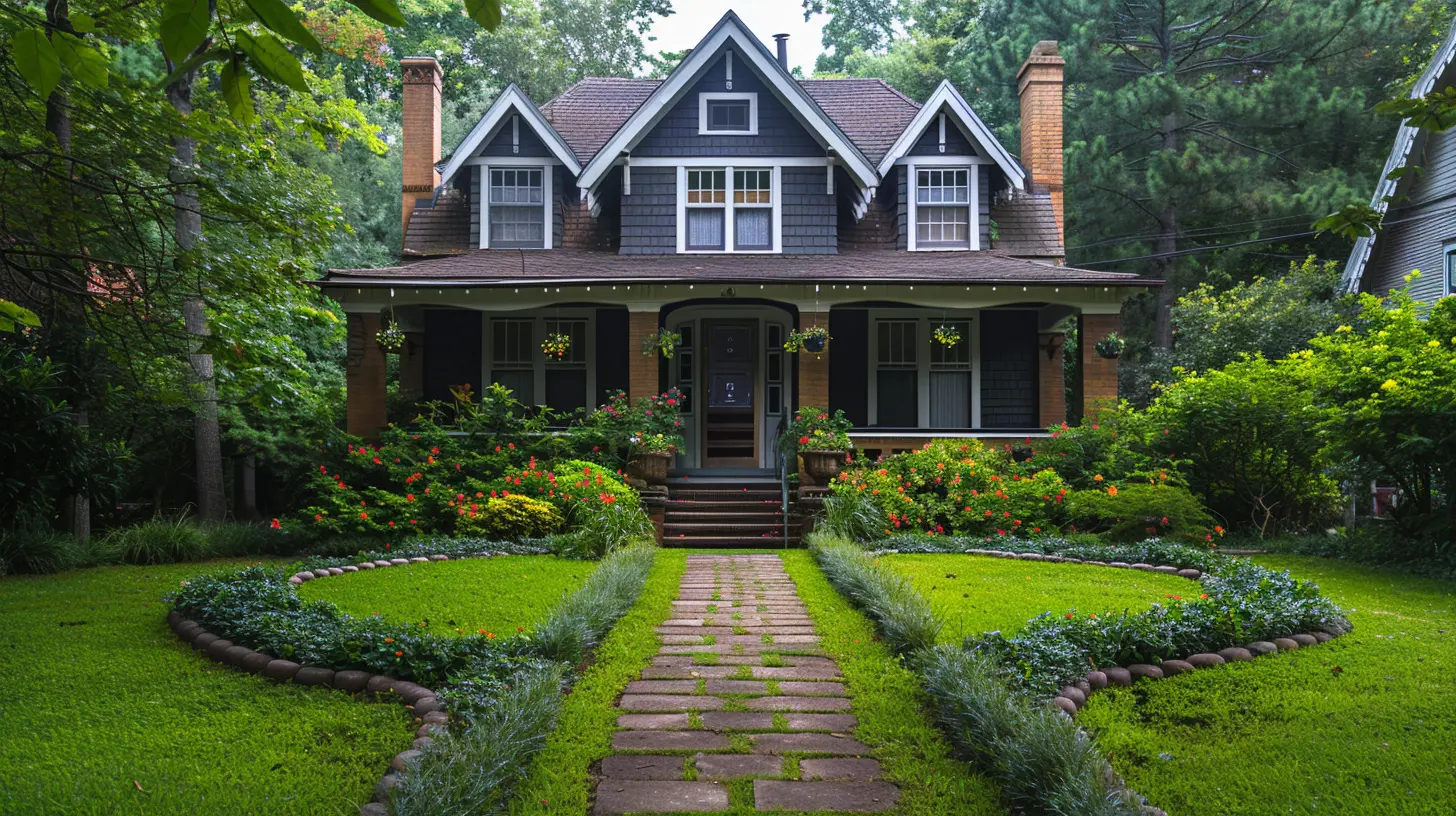
How Real Estate Markets Are Responding
Now, let’s look at what’s happening in the actual real estate market as a result of this shift.1. Suburban Home Prices Are Climbing
The demand is real—and so are the price hikes. As more buyers head for the suburbs, inventory is shrinking, and home prices are rising.It’s basic supply and demand economics. More buyers and not enough homes = bidding wars, quick sales, and rising suburbs on the real estate charts.
2. Builders Are Following the Money
Homebuilders are always watching the market, and they’ve noticed the suburban trend. New developments are popping up in suburban and even rural areas to capitalize on demand.We’re seeing brand-new communities with parks, trails, and amenities that rival city living. It’s suburban life with a modern twist—and buyers are loving it.
3. Commercial Real Estate Is Adapting Too
It’s not just about homes. Businesses are following their customers. Expect to see more coffee shops, coworking spaces, restaurants, and retail centers opening in suburban neighborhoods.Think of it as a “mini-urban” experience—without the frantic city vibe.
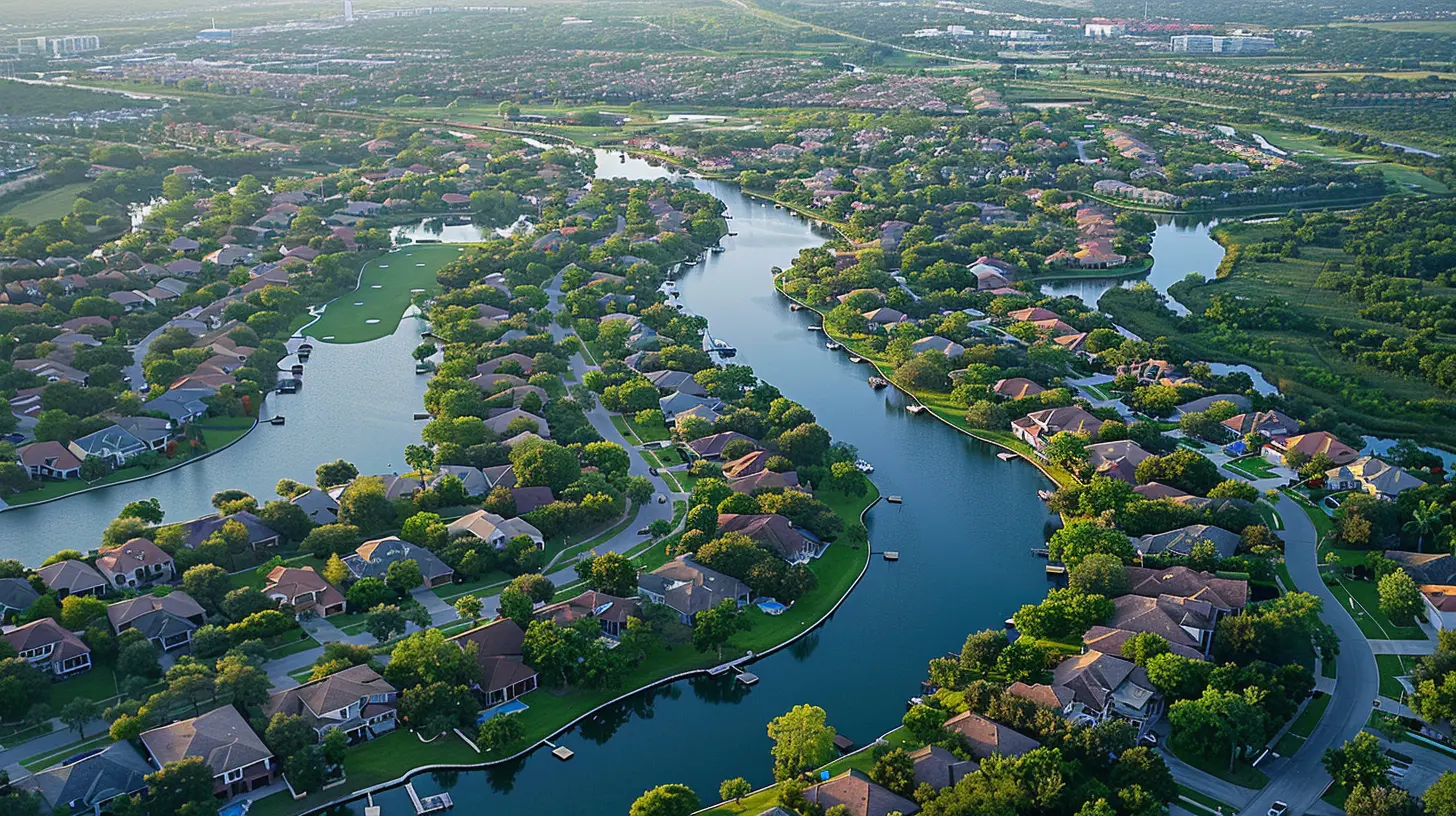
Hot Suburban Markets to Watch
Curious where people are moving? Let’s look at a few red-hot suburban markets that are catching all the attention.1. Austin’s Suburbs – Think Round Rock and Cedar Park
Austin’s been on fire for years, but now, nearby suburbs like Round Rock and Cedar Park are seeing explosive growth. Great schools, tons of parks, and lower housing costs? No wonder people are swarming in.2. Charlotte’s Surrounding Areas
Charlotte, NC, is another strong city, but its suburbs—like Fort Mill and Huntersville—are stealing the show. These areas offer Southern charm, modern homes, and a family-friendly vibe without the city hustle.3. The Hudson Valley – Outside NYC
After the pandemic, the shift out of New York City was massive. Enter: Hudson Valley. It offers charming small towns, stunning nature, and a peaceful pace that city dwellers are craving.4. Inland Empire – Near Los Angeles
California buyers have been moving east to places like Rancho Cucamonga and Riverside. These spots offer more affordability compared to LA, with mountain views and big homes that wow families and young professionals alike.
What This Means for Investors
If you’re in the real estate investment game (or thinking about jumping in), this suburban shift should make your ears perk up.1. New Opportunities
Suburban markets present major investment opportunities. Whether it's single-family rentals, flipping homes, or even developing land, there’s room for profit.And since competition is still lighter than some urban areas, savvy investors can get in before these suburbs fully explode in value.
2. Longer-Term Tenants
Suburban renters—especially families—tend to stay longer. That means more stability, fewer turnovers, and more predictable cash flow.For investors? That’s music to the ears.
3. Value Appreciation Potential
As more people move in, property values are expected to rise. That opens the door for strong equity growth. Buying now could mean serious upside in the next few years.Tips for Buyers Looking in the Suburbs
Thinking about making the move yourself? Here are a few quick tips to help you navigate the journey.1. Research Upcoming Areas
You want to buy where the wave is just starting to swell—not where it’s already crashed. Look for suburbs with rising populations, new developments, good schools, and planned commercial growth.2. Consider Commute Times
Yes, remote work is big—but it’s not universal. Make sure your new home won’t leave you stranded hours from the office if hybrid work kicks in.Also, check traffic patterns. Suburban sprawl can sometimes come with... sprawl traffic.
3. Think Long-Term
Remember, buying a home isn’t just about today. Think about your needs 5 or 10 years from now. Will the area still work for you? Will it grow? Will your investment pay off?Ask these questions before signing on the dotted line.
Real Talk: Is the City Dead?
Let’s address the elephant in the room. Is this the end for cities?Absolutely not.
Cities still have undeniable cultural, economic, and entertainment value. They’re not going anywhere. But they are evolving. The suburban shift doesn’t mean cities are dying—it just means people have more choices now.
We’re moving toward a more balanced real estate landscape. One where both urban and suburban areas offer valuable and viable living options depending on lifestyle, career, and budget.
Final Thoughts
The shift to suburban real estate markets is more than a reaction to a pandemic. It’s a reflection of changing priorities. People want more space, more control, and more bang for their buck. And the suburbs? They’re answering the call.If you’re a buyer, investor, or just someone keeping an eye on the market, it’s time to take the suburbs seriously. They're not just sleepy neighborhoods anymore—they’re the next frontier of real estate growth.
So whether you're dreaming of a front porch, investing in appreciation, or looking for a fresh start, the suburbs might just be calling your name.
And maybe, just maybe, they have a white picket fence with your name on it.
all images in this post were generated using AI tools
Category:
Real Estate MarketAuthor:

Eric McGuffey
Discussion
rate this article
1 comments
Theodore Malone
This article astutely highlights the suburban shift, yet it overlooks key factors like remote work's permanence and evolving buyer demographics, which will shape market dynamics moving forward.
December 4, 2025 at 1:21 PM
Eric McGuffey
Thank you for your insightful comment! I appreciate your point about the impact of remote work and changing buyer demographics on market dynamics. These factors are certainly crucial to understanding the suburban shift, and I'm glad to consider them in future discussions.