What Happens During Foreclosure: A Homeowner’s Survival Guide
5 May 2026
Okay, deep breath. If you’re reading this, chances are you’re either worried about foreclosure, knee-deep in the process, or just curious about what really happens when the bank starts knocking. Either way, you’re in the right place—and trust me, you’re not alone.
Foreclosure is like that super awkward breakup you can’t avoid. You saw the warning signs, tried to make it work, but now you’re ghosted by your mortgage—and the lender’s ready to move on. Don’t worry, though. This guide won’t just tell you what happens during foreclosure; it’ll walk you through it like a chummy friend with snacks, tissues, and a well-worn copy of the U.S. housing laws.
Let’s dive into the drama, shall we?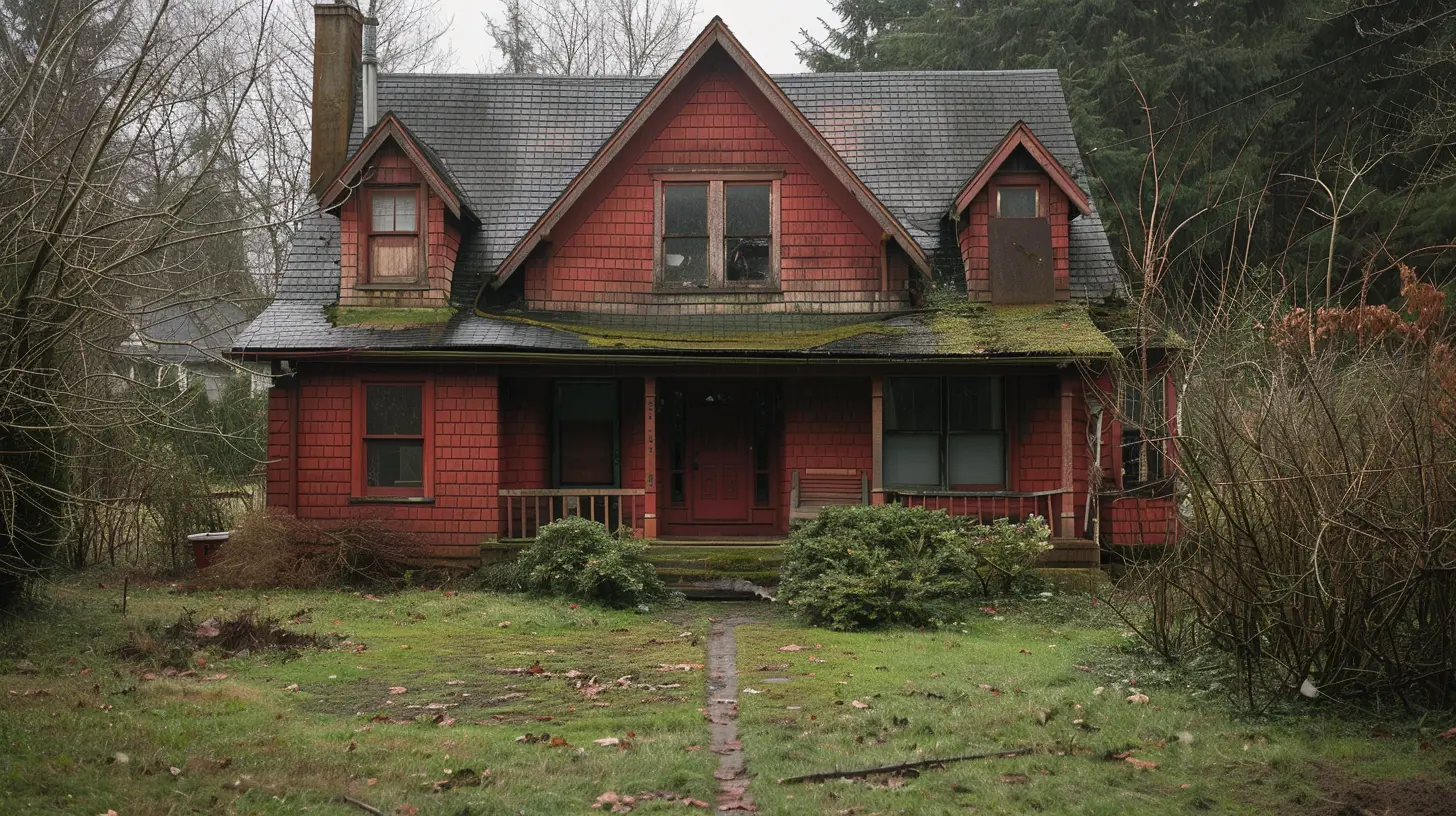
?️ What Is Foreclosure, Anyway?
Foreclosure is the legal process where your lender (a.k.a. the bank or mortgage company) takes back your home because you stopped making payments. It’s like them saying, “Hey, you didn’t keep your end of the deal—so we’re taking the keys back.”Think of it like rental repossession, except you technically own the thing they’re taking away. Ouch.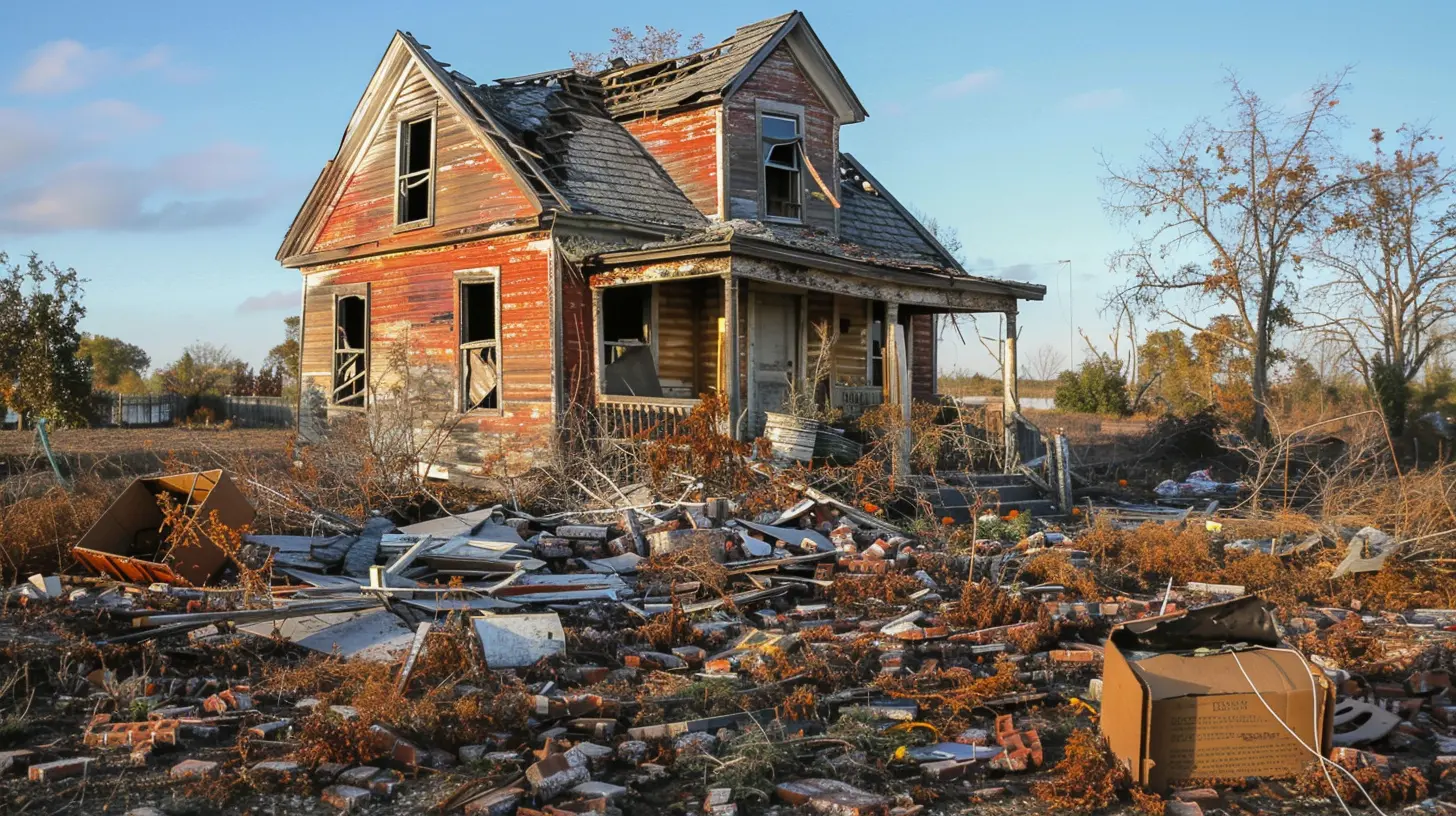
? The Warning Signs: How Foreclosure Begins
Foreclosure doesn’t just show up like a surprise pop quiz. Oh no, it gives you time to panic slowly. Here’s what typically happens:1. Missed Payments
Your mortgage is due once a month, every month. If you skip a payment, your lender will definitely notice—kind of like how the gym notices when you stop showing up.Most lenders give you about 15 days before hitting you with a late fee. After 30 days? Now you’re officially delinquent.
2. Collection Calls & Scary Letters Start
Ever ignored a call thinking it was a scam, only to find out it was your lender? Yeah, those calls will pile up.You’ll also get some not-so-friendly mail about your delinquency. It's their way of saying, “We’re not mad, just deeply disappointed—and also taking legal action.”
3. Notice of Default (The “We Mean Business” Letter)
Once you’re about 90 days behind, you’ll get a Notice of Default (NOD). This is the lender filing their formal complaint, and in some states, they’ll even post this on your front door. Subtle, huh?You usually have several months to fix things—this phase is called the “pre-foreclosure” period. It’s not quite game over yet, but the timer is ticking.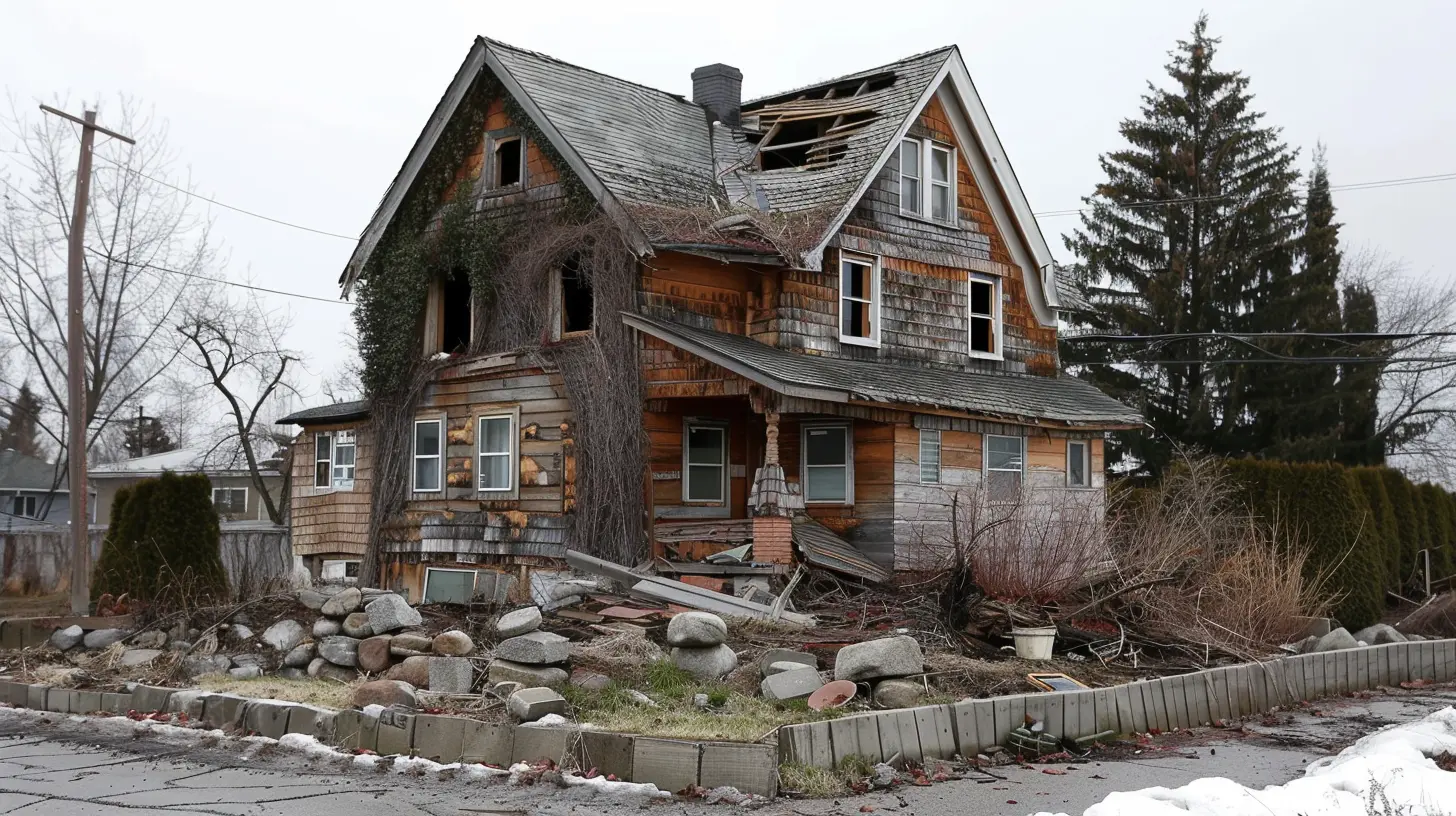
? Boom! The Foreclosure Process Explained (Step by Step)
Foreclosure can be judicial or non-judicial, depending on your state. But no matter how your state handles it, here’s the general play-by-play:Step 1: Pre-Foreclosure
This is your first real chance to turn the ship around. You’re behind, you’ve gotten the NOD, but the house isn’t gone yet. Options include:- Loan modification
- Refinancing
- Catching up with a lump sum
- Working out a repayment plan
- Selling the home (yep, better to sell it than lose it)
More on these in a sec.
Step 2: Foreclosure Filing
If you don’t resolve the default, your lender will proceed with foreclosure. In judicial states, this means court dates. Bring snacks and stress balls.In a non-judicial state, the process skips court and moves faster—like ripping off a painful Band-Aid.
Step 3: Auction or Trustee Sale
Now comes the public auction. Your home is literally up for grabs. It’s like eBay but sadder and with fewer return policies. A trustee or county officer will sell it to the highest bidder.Step 4: Post-Foreclosure
If no one buys it at auction (womp womp), the property goes back to the bank, becoming what’s called an REO (Real Estate Owned) property. Basically, the bank’s now a reluctant landlord.Step 5: Eviction
The new owner—bank or individual—can now legally ask you to move out. If you refuse? Sheriff time. And not the cool Western movie kind.
? Can You Stop a Foreclosure? Heck Yes—Here’s How
Before you start Googling “how to live in a van down by the river,” take heart. Foreclosure is bad, but it’s not unbeatable. There are exits off this highway to heartbreak.1. Call Your Lender (Seriously)
I know, that sounds annoying. But lenders don’t want to foreclose. It’s expensive, and they’d usually rather work something out than own your house.Ask about:
- Forbearance
- Repayment plans
- Mortgage modification
2. Get a HUD-Approved Housing Counselor
The U.S. Department of Housing and Urban Development (HUD) has counselors that don’t cost a dime. Free help that’s not spam? Yes, please.They’ll help you look at options without bias and tell you what’s realistic.
3. Refinance or Modify Your Loan
If you’ve had a major life event (like job loss, divorce, or surprise triplets), lenders may allow a loan modification.It’s kind of like reshuffling your mortgage terms to make them manageable again.
4. Sell the Home (Yup, Even in Pre-Foreclosure)
If you can’t fix the mortgage but still have equity, selling the home might be your lifeboat. Sell before foreclosure finalizes, pay off what’s owed, and keep whatever’s left.It beats waiting for an auction.
5. Consider a Short Sale
No equity? You can still sell with your lender’s permission in a short sale. It means the home sells for less than you owe, and the bank agrees to take the hit.Your credit drops, but far less than with a full-blown foreclosure.
? Pro Tips from the “I’ve-Been-There” Club
Here’s some no-nonsense advice from folks who’ve walked this difficult road—with all the bumps, bruises, and eventually, wisdom gained:- Don’t go radio silent. Call your lender before they call you 20 times a day.
- Never sign anything without reading it. Even if it’s long. Even if you want to cry.
- Keep documentation. Every email, letter, court document—save it like it's a lost Beatles track.
- Stay calm. There’s life after foreclosure. You’re not doomed to be houseless forever.
? What Happens to Your Credit?
Ah, yes. The painful sidekick of any financial failure: your credit report. A foreclosure can stay on your credit report for up to seven years. That sounds scary, but here’s the silver lining:The impact lessens over time. And you can start rebuilding immediately.
Get secured credit cards. Pay everything on time. Channel your inner responsible adult. (I know, it’s in there somewhere.)
? What If You Just Stay in the House?
Believe it or not, some folks stay in their homes even after foreclosure actions start. And spoiler alert: many stay for months, sometimes years, depending on how slow the legal process is.Here’s what you should know:
- It’s not free rent. You’ll likely still owe a deficiency balance or be evicted.
- Eviction is usually the last step, and it has to be done legally.
- Don’t trash the place out of spite. That just makes things worse (and might make you liable).
? Life After Foreclosure
Listen, foreclosure is not the end of your world. It’s more like being kicked out of the party early—embarrassing, sure, but you can still get back on the guest list.Here’s what to do next:
- Rebuild credit with small, on-time payments
- Rent temporarily and don’t overextend
- Budget like a boss—no, seriously, track where those dollars go
- Give yourself grace. Things happen.
You may even be able to buy another home in as little as 2-4 years with an FHA or VA loan if you play your cards right.
? Quick Glossary (So You Don’t Feel Like You're Reading Klingon)
- Default: You stopped paying your mortgage. Lender ain't happy.- Notice of Default (NOD): The official red flag from your lender saying “Hey, pay up or else.”
- Short Sale: Selling your home for less than what you owe (with lender approval).
- REO Property: Your house becomes Real Estate Owned by the bank after not selling at auction.
- Forbearance: Temporary pause on payments during hard times.
- Loan Modification: Permanent changes to your loan to help you afford it.
? Final Thoughts (Foreclosure Doesn’t Define You)
Foreclosure sucks. It’s emotional, financial, and mental chaos. But you know what it’s not? Permanent. People recover from this all the time, and you can too.The key is to take action early, face it head-on, and don’t let shame keep you silent. Housing is a basic human need, not a luxury defined by credit scores or bank letters.
And remember—your home is where your heart is, not where your mortgage sits.
all images in this post were generated using AI tools
Category:
Foreclosure PreventionAuthor:

Eric McGuffey
Discussion
rate this article
1 comments
Patrick King
This article is a great resource for homeowners facing tough times. Understanding foreclosure can truly make a difference. Stay informed and hopeful!
May 13, 2026 at 11:48 AM