Why Luxury Real Estate Continues to Thrive Despite Market Shifts
5 June 2026
Let’s be honest—real estate markets can be downright unpredictable. One minute, everyone's scrambling to buy; the next, prices are tanking, and people are holding off. But here's something interesting: there's one slice of the market that seems to have its own rulebook—luxury real estate.
Even when the broader market stumbles, high-end real estate keeps chugging along like a luxury train on golden rails. Why is that? What makes luxury property so resilient amid interest rate hikes, inflation spikes, and economic uncertainty?
Let’s dive into why luxury real estate keeps thriving—even when the rest of the market is getting whiplash.
What Exactly Is Luxury Real Estate?
Before we go any further, let’s define what we’re talking about. Luxury real estate doesn’t just mean “expensive.” It’s not just about price tags—it’s about exclusivity, location, quality, uniqueness, and often, a certain lifestyle.Think oceanfront mansions in Malibu, penthouses in Manhattan, historic estates in Paris, or private villas in Bali. These properties offer something beyond basic shelter. They deliver prestige, design, privacy, and access that your average home simply can’t match.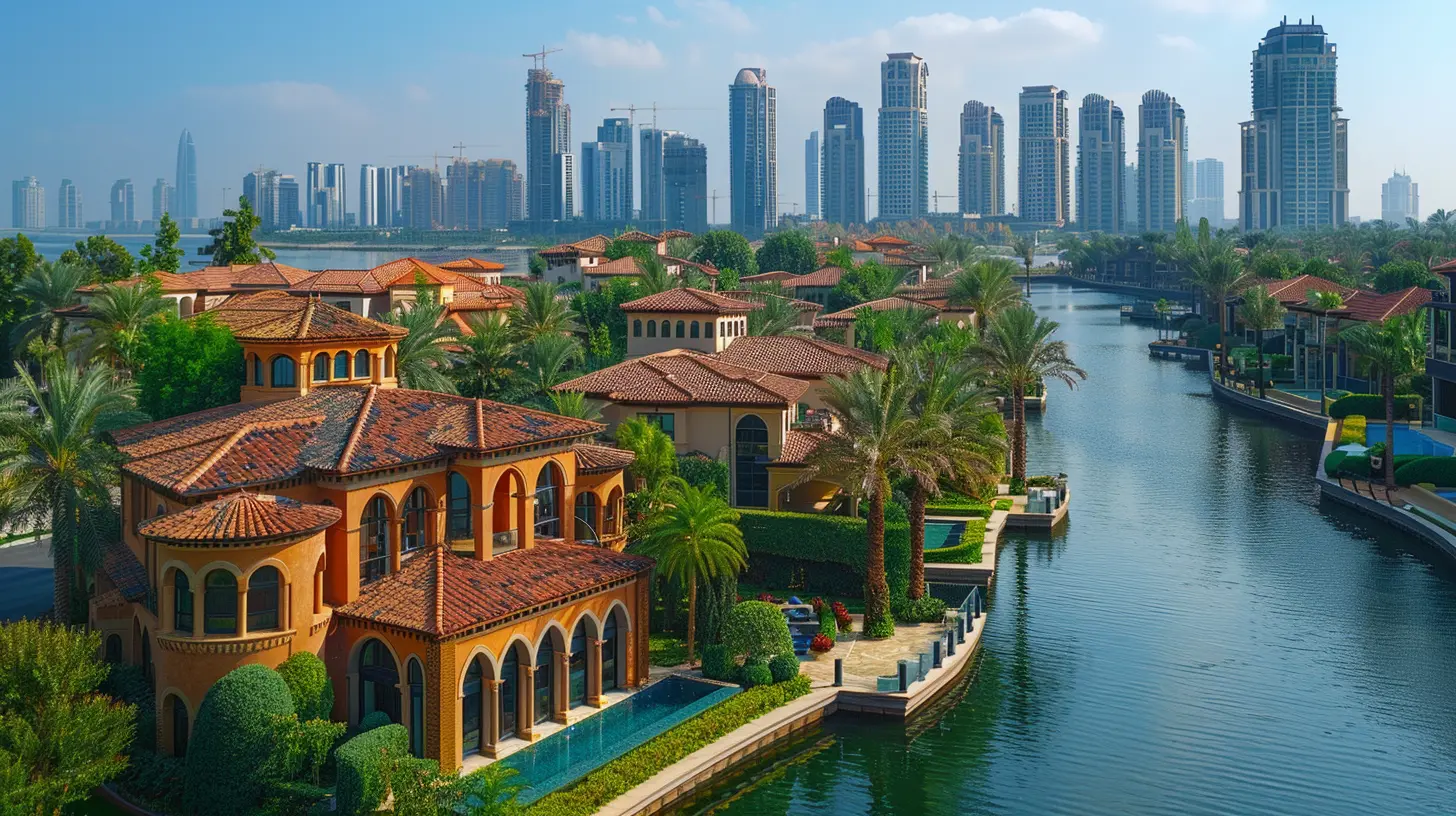
A Market for the Ultra-Wealthy: Immune to Many Economic Forces
One of the biggest reasons luxury real estate stays strong is the people buying it. These aren’t first-time buyers scraping together a down payment. We’re talking about ultra-high-net-worth individuals (UHNWIs)—those with assets of $30 million or more.Here's the kicker: these folks don’t need a mortgage. Interest rate hikes? Inflation? A dip in the local economy? It hardly matters. These buyers are often sitting on mountains of cash, and they diversify their wealth through tangible assets—real estate being one of the favorites.
Wealth Begets Stability
Because wealthy buyers are less dependent on lending institutions, they’re less likely to back out when money gets tight. In fact, turbulent economic conditions often encourage this crowd to shift their capital into safer, more tangible investments, especially properties that appreciate over time.
Real Estate Is a Safe Haven for the Rich
When the stock market feels like a rollercoaster, real estate—especially luxury—starts to look like a comfy armchair. And that’s exactly how investors treat it.Luxury real estate acts as a safe haven, offering both financial and emotional security. It’s a tangible asset that doesn’t vanish overnight like stocks can.
Think of It As a Trophy and a Piggy Bank
For the wealthy, owning an iconic or rare piece of property is part status symbol, part investment. It's not just about having somewhere to live—it's about owning a piece of the world that no one else can have. At the same time, it's a vessel for storing wealth.So it’s not just retail therapy—it’s portfolio strategy.
Global Demand Never Sleeps
Here’s another gem: luxury real estate doesn’t just attract local buyers. It pulls in interest from around the globe.Whether it’s a billionaire from Singapore eyeing real estate in L.A. or a tech investor from San Francisco buying in Switzerland—luxury properties in major hubs always have a market because they’re desirable everywhere.
International Buyers Diversify Geographically
High-net-worth individuals often buy luxury real estate abroad to spread risk. Political instability? Currency fluctuations? Local tax changes? No problem—they’ll just pivot to another market. This global appetite fuels demand regardless of what's happening in one specific region.Limited Inventory Means High Demand
Here’s something we all learned in Economics 101: when supply is limited and demand is strong, prices rise. This is particularly true in the luxury segment.There aren’t an infinite number of beachfront properties in Miami or historic brownstones in Manhattan. Zoning laws, land scarcity, and stringent building regulations all keep supply tight.
This kind of scarcity adds a premium to these properties. The rich compete for them, and when supply can’t keep up—prices hold or even increase.
The Lifestyle Shift Post-Pandemic
Let’s talk about a real turning point—the COVID-19 pandemic.When the world flipped upside down, it changed how people think about their homes. Remote work became normal, and suddenly owning a luxury home in a peaceful, scenic area became priority #1 for many wealthy individuals.
Space and Privacy Became Gold
Suddenly, it wasn’t just about a city penthouse. Buyers wanted home gyms, office spaces, personal theaters, outdoor areas, and even wine cellars. Access to nature and privacy shot to the top of wish lists.This shift in priorities made luxury properties more desirable than ever. People weren’t just buying homes—they were building sanctuaries.
Tech Entrepreneurs and NFTs: A New Wave of Buyers
The luxury market isn’t just for old money anymore.Tech moguls, crypto millionaires, and creators of the digital economy are stepping into the scene. They're young, they're wealthy, and they're not afraid to spend big on properties that match their lifestyles.
You'll find them snapping up smart homes, ultra-modern builds, and homes equipped with all the latest gadgets. They may come from different industries, but they have this in common: they see luxury real estate as both a lifestyle upgrade and a solid investment.
Inflation Actually Works in Luxury’s Favor
This might sound counterintuitive, but inflation often benefits luxury real estate.Why? Because when the value of money drops, people want to put their cash into assets that hold or gain value. Real estate, especially luxury property, tends to appreciate over time. It’s seen as a hedge against inflation.
So, while the average buyer might be struggling to qualify for a mortgage, wealthy individuals are parking their funds in premium property—because it's a better bet than letting money lose value in a savings account.
Developers Are Getting Smarter
It’s not just the buyers who are evolving—the sellers are, too.Developers of luxury properties are tapping into what the wealthy want today. That includes:
- Sustainable design and eco-friendly materials
- Smart home tech
- Wellness amenities like spas, gyms, and yoga studios
- 24/7 concierge services
- Security and privacy built into the design
These extras make luxury homes even more appealing—and they justify those jaw-dropping price tags.
The Rental Market Is Also Booming
Not everyone who buys a luxury property wants to live in it full-time. Many treat these homes as part of their investment portfolio and rent them out when they’re not in use.With platforms like Airbnb Luxe or private rental agencies, high-end properties fetch premium nightly rates—think thousands of dollars per night. This makes them not just status symbols, but income generators.
So these homes aren’t just pretty to look at—they pay the bills, too.
Branding Has Entered the Chat
Have you heard of branded residences? It’s a growing trend where luxury real estate is tied to high-end brands like Ritz-Carlton, Four Seasons, or even fashion houses like Armani.These properties often come with the kind of white-glove service you’d expect at a five-star resort—valet parking, spa access, fine dining, and more. The brand association adds value and provides consistency in quality.
It’s like buying a Ferrari instead of a regular car—it performs better, looks better, and makes a statement.
The Emotional Pull of Luxury
We can rattle off facts and figures all day, but real estate—especially luxury—is an emotional game.These homes aren’t just investments. They’re dreams fulfilled, milestones celebrated, and legacies secured. People buy luxury properties not just for what they are, but for how they make them feel.
And that emotional connection? Well, it’s recession-proof.
Final Thoughts: Resilience in Every Brick
So despite the ups and downs in the wider market, luxury real estate keeps proving its worth.It's not just about square footage or granite countertops—it's about owning something rare, meaningful, and stable. It’s a safety net, a status symbol, and a sound investment rolled into one.
And when you step back and look at the bigger picture—it makes perfect sense why luxury real estate continues to thrive, no matter what curveballs the market throws.
—
Key Takeaways
- Luxury real estate appeals to an ultra-wealthy, global audience less affected by market trends.- It serves as both a lifestyle choice and a tangible, inflation-resistant investment.
- Scarcity, quality, and emotional value keep demand high even during downturns.
- Pandemic-driven lifestyle changes and tech wealth are fueling new waves of buyers.
So whether you’re dreaming of owning a luxury property or just keeping a savvy eye on the market, remember this: while the average real estate game might play by unpredictable rules, luxury real estate? It’s playing a whole different sport.
all images in this post were generated using AI tools
Category:
Real Estate MarketAuthor:

Eric McGuffey
Discussion
rate this article
1 comments
Alisha McQuade
It's fascinating to see how luxury real estate remains resilient. For many, these properties represent not just investments but a sense of security and identity. Understanding this connection helps explain their enduring appeal, even in uncertain times.
June 7, 2026 at 12:25 PM
Eric McGuffey
Absolutely, luxury real estate embodies more than just financial value. It offers a sense of stability and identity that resonates deeply, especially during uncertain times. That emotional connection is key to its lasting allure.