Economic Outlook Deteriorates as Trade War Risks Escalate
March 29, 2025 - 18:24
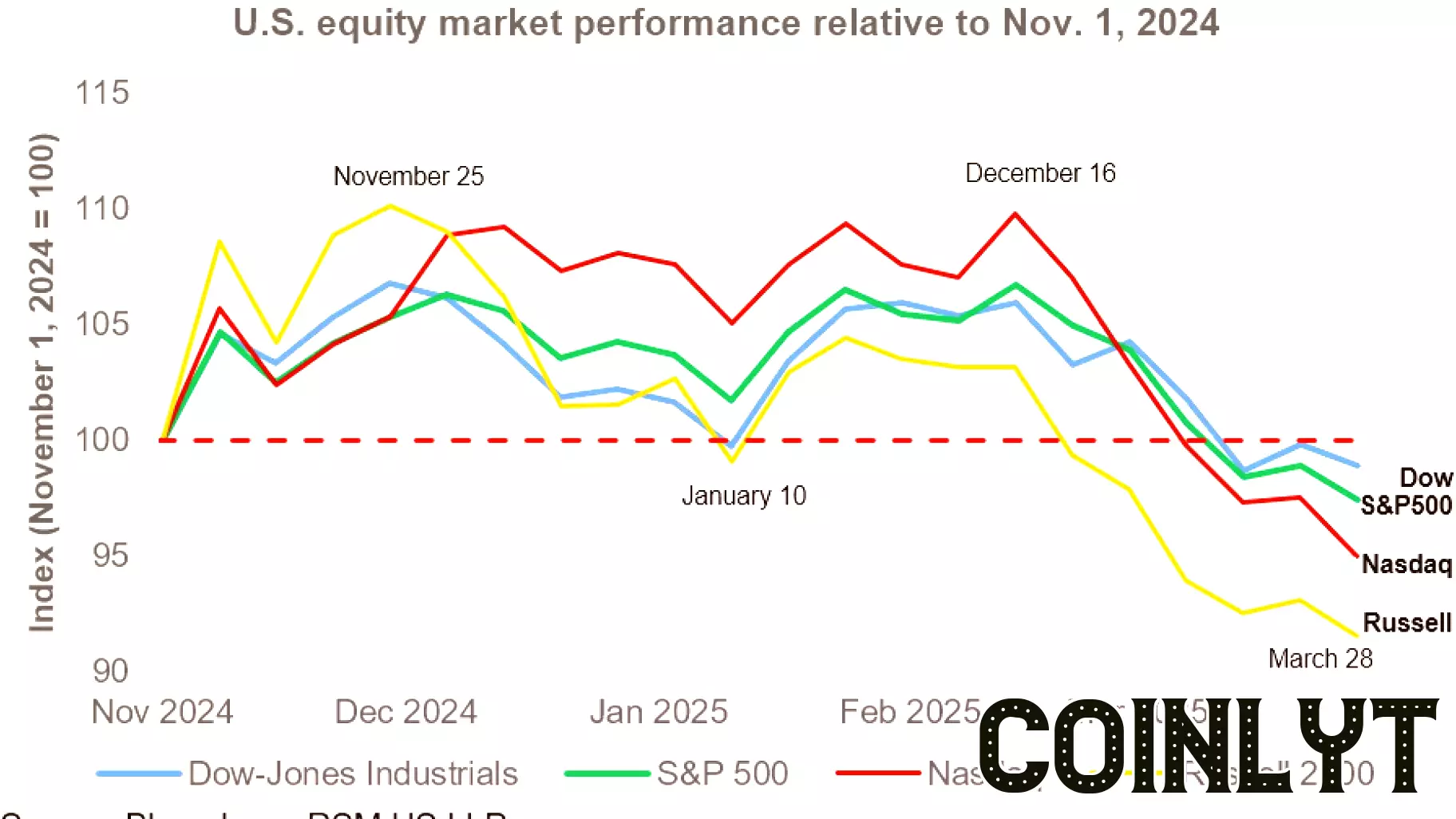
As the U.S. prepares to implement another round of tariffs on April 2, concerns about the broader economic implications are growing. The increasing scope of these tariffs is contributing to a negative shift in financial conditions, which could have far-reaching effects on the economy. Analysts warn that the potential for a trade war is not just a distant threat but a pressing reality that could disrupt markets and investor confidence.
The uncertainty surrounding trade policies is causing fluctuations in financial markets, leading to a more cautious approach among businesses and consumers alike. Companies are reevaluating their investment strategies, while consumers may hold back on spending due to fears of rising prices and economic instability. This cautious sentiment could stifle growth and potentially lead to a slowdown in economic activity.
As the situation evolves, stakeholders are closely monitoring developments, aware that the ramifications of these trade policies could significantly alter the financial landscape in the coming months.
MORE NEWS

October 28, 2026 - 00:51
Rising Oil Prices Put Pressure on Latin American BudgetsOil prices trading above the levels assumed in 2026 budget planning are creating financial strain for governments across Latin America, and three charts help explain why the effect runs in both...

October 27, 2026 - 05:39
Craven Community College and SECU Team Up for Student Financial Literacy EventCraven Community College is working with State Employees` Credit Union to help students build stronger money skills through its annual Reality of Money event, scheduled for Tuesday, October 14, in...

October 26, 2026 - 03:34
Fed Likely to Keep Rates Unchanged This Week Despite Stubborn InflationThe Federal Reserve is expected to leave its benchmark interest rate unchanged at this week`s policy meeting, even as recent inflation readings have come in hotter than officials would like. The...

October 25, 2026 - 07:12
Cincinnati Financial Set to Release Earnings MondayProperty casualty insurer Cincinnati Financial (NASDAQ:CINF) will report its latest quarterly earnings this Monday after market hours. Investors will be watching closely for signs of how the...