Trump's Tariff Announcements and Key Labor Market Report Loom Over Stock Market
March 30, 2025 - 09:12
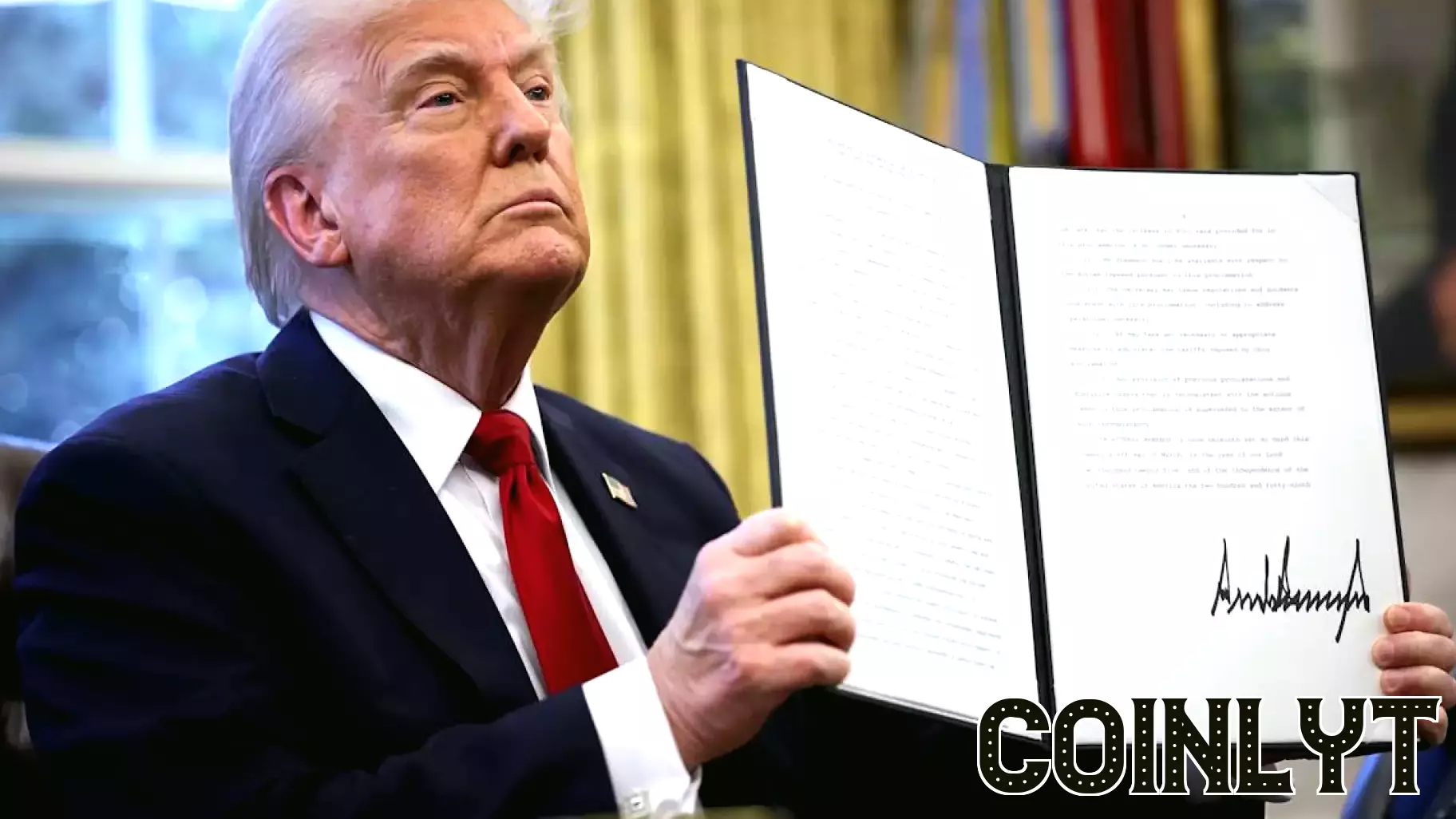
In the coming week, the financial landscape is poised for significant developments as former President Donald Trump prepares to unveil his highly anticipated tariff announcements. These measures could have far-reaching implications for various sectors of the economy, especially as businesses and investors brace for potential shifts in trade dynamics.
Simultaneously, a crucial labor market report is scheduled for release, which analysts believe will provide critical insights into the health of the economy. With unemployment rates and job growth figures in the spotlight, this report could greatly influence investor sentiment and market stability.
As the stock market faces a downturn, the combination of Trump’s tariff decisions and the labor report may create a volatile environment. Market participants are closely monitoring these events, as they could dictate trading strategies and economic forecasts in the near term. Investors are urged to stay informed as these developments unfold, potentially reshaping the economic outlook.
MORE NEWS

October 27, 2026 - 05:39
Craven Community College and SECU Team Up for Student Financial Literacy EventCraven Community College is working with State Employees` Credit Union to help students build stronger money skills through its annual Reality of Money event, scheduled for Tuesday, October 14, in...

October 26, 2026 - 03:34
Fed Likely to Keep Rates Unchanged This Week Despite Stubborn InflationThe Federal Reserve is expected to leave its benchmark interest rate unchanged at this week`s policy meeting, even as recent inflation readings have come in hotter than officials would like. The...

October 25, 2026 - 07:12
Cincinnati Financial Set to Release Earnings MondayProperty casualty insurer Cincinnati Financial (NASDAQ:CINF) will report its latest quarterly earnings this Monday after market hours. Investors will be watching closely for signs of how the...

October 24, 2026 - 18:20
Power Supply Deals Might Change The Case For Investing In GE Vernova Stock (GEV)Venture Global announced multi-year frame agreements with GE Vernova and Baker Hughes for up to 16 new 720 MW gas-fired power island units and grid equipment. The hardware will supply behind the...