Verbal Intervention by Kato Aims to Support the Yen Amid Speculative Moves
December 27, 2024 - 10:39
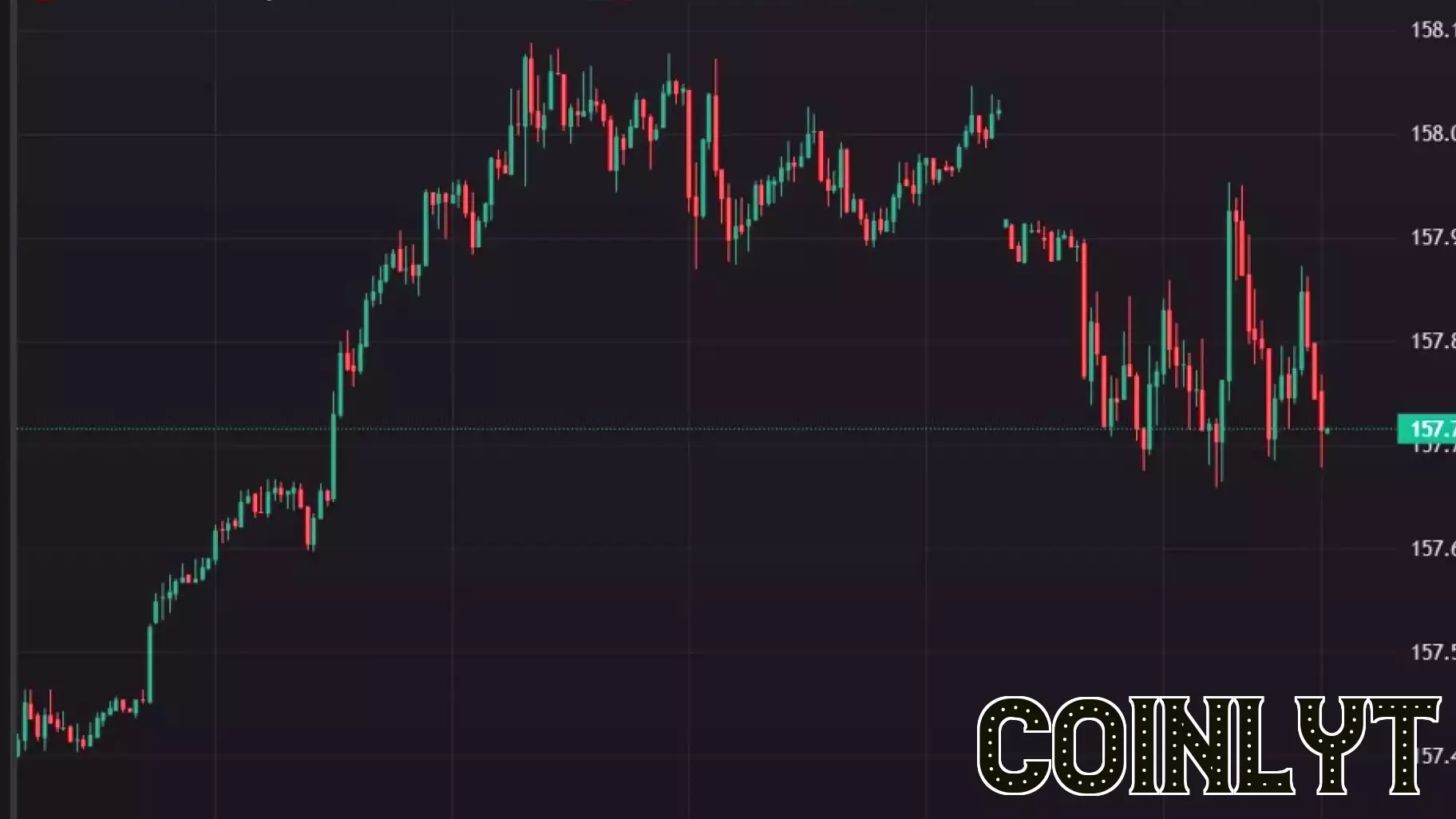
Japan's Finance Minister, Shunichi Kato, has expressed significant concern regarding recent fluctuations in foreign exchange rates, attributing much of the volatility to speculative trading. In a statement aimed at stabilizing the yen, Kato highlighted the need for vigilance in the face of rapid currency movements that could impact the economy.
Kato's remarks come as the yen has faced pressure against major currencies, leading to fears of increased import costs and potential inflation. Speculators have been actively trading the yen, exacerbating its decline and raising alarms within the government.
The finance minister emphasized the importance of a stable currency for Japan's economic recovery, especially in the wake of global uncertainties. Kato's comments signal a commitment to intervene when necessary, as the government seeks to maintain confidence in the yen and mitigate the effects of speculative trading. This proactive stance reflects a broader strategy to ensure economic stability in challenging financial times.
MORE NEWS

October 30, 2026 - 18:32
Civeo Reports Third Quarter 2026 ResultsCiveo Corporation held its third quarter 2026 earnings call, giving investors an update on operations across its hospitality and workforce accommodation segments. Management opened with a review of...

October 30, 2026 - 01:54
PennyMac Financial Services (NYSE:PFSI) misses Q3 2026 revenue estimatesPennyMac Financial Services reported third quarter 2026 results that fell short of market expectations on the top line. The mortgage banking company posted revenue of 469 million dollars, a decline...

October 29, 2026 - 08:03
Trican Well Service Q3 Results Show Profit Recovery Against Margin PressureTrican Well Service has reported its third quarter 2026 financial results, and the numbers present a mixed picture for investors to weigh. The company posted earnings of CA$0.23 per share on...

October 28, 2026 - 21:00
State Budget Cushions Thin Out as Fiscal Pressures MountStates are entering a tougher budget climate with less in reserve. According to a new analysis, rainy day fund capacity has fallen for two consecutive years, leaving many states with smaller...