How to Assess Property Value Like a Pro
23 September 2026
So, you're thinking of buying a house, selling your current one, or maybe just nosing around the neighborhood pretending you're on an episode of House Hunters. No judgment — we've all done it.
But here’s the kicker: before you start placing offers or tossing For Sale signs in your yard, you’ve got to know what the property is actually worth. Not what your Uncle Bob thinks it’s worth after “watching the market,” and definitely not what Zillow’s “Zestimate” told you last night while you were scrolling in your pajamas.
Let’s break down how to assess property value like a true real estate ninja — without needing a monocle, a calculator the size of your forearm, or a magic 8-ball.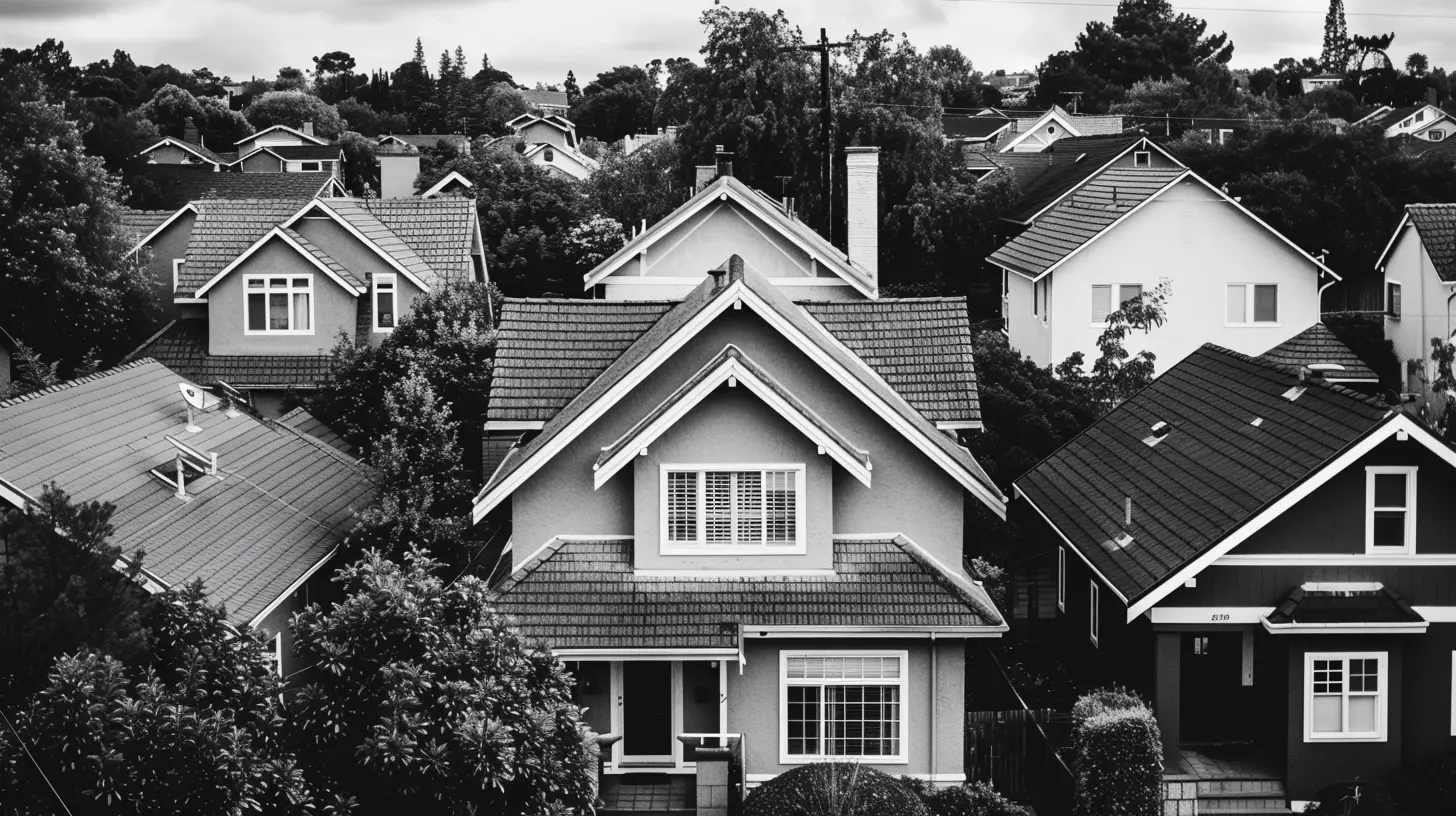
? What Even Is Property Value, Anyway?
Let’s start simple.Property value is the price a buyer is willing to pay and a seller is willing to accept. Sounds straightforward enough, right? Well… throw in market trends, location, home condition, local crime rates, and the fact that Karen down the street has flamingos in her front yard year-round, and things get a bit more complicated.
At the end of the day, property value is part science, part art, and part trusting your gut (and maybe some good software).
? Step #1: Location, Location, LOCATION
If you only remember one thing, let it be this golden rule: location isn't just a factor in property value — it's the factor.Picture it: A run-down shack in Beverly Hills will cost more than a waterfront mansion in Nowhereville, Wyoming. (Sorry, Wyoming, don't @ me.)
So what makes a location desirable?
- Proximity to schools, shopping, parks, and public transport
- Low crime rates
- Employment opportunities
- School district rankings
- Overall neighborhood vibe
Think of it like dating — even if a house has red shag carpets and mirrors on the ceiling (no thank you), if it’s in the right neighborhood, it’s still got potential.
?️ Step #2: Get Cozy with Comparable Sales (AKA “Comps”)
Comps are what similar homes in the area have sold for recently — kinda like stalking your neighbor’s house sale, but totally legal and encouraged.To do this like a pro:
1. Look for homes with similar:
- Square footage
- Number of bedrooms and bathrooms
- Lot size
- Age and condition
2. Use a 3–6 month timeframe for recent sales.
3. Stay within the same neighborhood or subdivision.
If three homes like yours sold for $300,000, then $305,000, then $295,000, you’ve got yourself a ballpark estimate. Not rocket science, just math with a sprinkle of common sense.
But remember – no two houses are exactly alike. Your kitchen might be gourmet-ready, while your neighbor still has a microwave from ’92.
?️ Step #3: Condition and Upgrades Count (But Don’t Go Overboard)
Renovations can boost your property value — but not all upgrades are created equal.Installing a $50,000 gold-plated toilet? Probably not going to net you a huge ROI.
Upgrading your kitchen, bathrooms, or installing energy-efficient windows? Now we’re talking.
Here’s what really adds value:
- Updated kitchens with modern appliances
- Fresh bathrooms with quality fixtures
- New roofing, HVAC systems, or plumbing
- Neat landscaping (because curb appeal isn’t just HGTV hype)
But beware the over-improvement trap — if your home becomes the Beverly Hills of a middle-income neighborhood, buyers may not be willing to pay extra just because you installed an in-ground Jacuzzi shaped like your favorite emoji.
? Step #4: Crunch the Numbers (Yes, Just a Little)
Alright, numbers time. You don’t need an MBA or a Wall Street brain to do this.There are a few common ways pros assess value:
A) Sales Comparison Approach
This is your comp method — taking sale prices of similar properties and adjusting based on differences (that killer deck you added, for example).B) Cost Approach
Mostly used when a property is unique or new. It calculates what it would cost to rebuild the home from scratch, subtracting depreciation. Like saying, “What would it cost to build this exact house today?”C) Income Approach
Perfect for rental properties. It assesses how much income the property generates (or could generate). If you're buying a duplex to rent out, this one's your best friend.? Step #5: Use Online Tools (But Take Results With a Grain of Salt)
Online valuation tools can be super helpful — if you treat them like helpful sidekicks instead of property oracles.Sites like Zillow, Redfin, Realtor.com, and others use algorithms based on public data. These can get you in the ballpark, but they often don’t know about all the stuff that really matters — like your neighbor’s barking dog, or that weird smell coming from the basement you’d rather not talk about.
So, sure: check the Zestimate. Just don’t bet your down payment on it.
? Step #6: Ask The Experts (AKA Hire an Appraiser or Real Estate Agent)
If you want a truly accurate estimate, especially if you’re serious about buying or selling, bring in the big guns.A) Licensed Appraisers
They’re trained, neutral, and will give you a data-based, unbiased report. It can cost a few hundred bucks but might save (or earn) you thousands.B) Real Estate Agents
The good ones know your neighborhood better than Google Maps does. They’ll run a Comparative Market Analysis (CMA) for free in many cases and can help set a fair market price.Think of these pros as your real estate therapists — they’ll listen, give you honest advice, and won’t judge you for binge-watching Fixer Upper.
?️ Step #7: Look at the Bigger Picture: Market Trends
Even the best house will struggle to sell in a slow market.You’ve got to tune in to the larger trends:
- Are prices going up or down?
- Is inventory tight or are listings piling up like unread emails?
- Are interest rates rising?
Smart buyers and sellers ride the market like surfers — timing the waves instead of paddling against them with desperation in their eyes.
? Bonus: Recognize Red Flags That Drag Value Down
Sometimes, a property has that “looks good from afar, but far from good” effect.Here are some classic red flags that may lower value:
- Structural issues (foundation cracks = bad vibes)
- Water damage or mold
- Outdated electrical or plumbing
- Bad neighbors (yes, they matter)
- HOAs with rules stricter than a middle school dress code
It's like dating — charming on the outside, but if it’s hiding a dark past, run.
? Pro Tips To Level Up Your Valuation Skills
Alright, you’ve made it this far. Ready for some pro-level hacks?- Drive around the neighborhood at different times of day. That “quiet” street may become Mario Kart at 5 PM.
- Talk to neighbors. They usually know more tea than a real estate brochure.
- Attend open houses nearby. You’ll learn the market like a nosy ninja.
- Use real estate forums. Reddit, BiggerPockets, and Facebook groups? Gold mines of real-world advice and (sometimes hilarious) horror stories.
? Final Thoughts: You Don't Need a Crystal Ball
Assessing property value isn’t some mystical art that only realtors, appraisers, and neighborhood gossip queens can master. You can do this.Start with facts, sprinkle in research, trust your instincts, and don’t be afraid to ask for help when things get fuzzy.
And if it still feels overwhelming? Just remember: even professionals get it wrong sometimes. The market is a living, breathing beast. All you can do is your homework, stay smart, and never — never — overpay for a house just because it comes with a wine fridge.
Now go out there and assess that home value like the real estate rockstar you are.
? TL;DR (For the Skimmers)
- Property value = what buyers will pay.- Location is EVERYTHING.
- Use comps to get a rough estimate.
- Home condition and upgrades affect value.
- Online tools are helpful, but don’t swear by them.
- Appraisers and agents = real estate GPS.
- The market mood matters big time.
- Look for red flags before you commit.
all images in this post were generated using AI tools
Category:
Real Estate MarketAuthor:

Eric McGuffey