Investing in Commodities: A Guide for Diversification
21 June 2026
Let’s be honest—when someone says "investments," the first thing that pops into most people’s heads is probably stocks, right? Maybe bonds if you're a bit more seasoned. But commodities? That’s usually the financial equivalent of the mysterious, dusty item on the top shelf. Well, it's time to dust off that shelf, because investing in commodities can be a total game-changer when it comes to diversification.
Grab your coffee, get comfy, and let’s dive into this surprisingly fascinating world. This isn't just about gold bars and oil rigs—it's about smart, strategic moves that can boost your portfolio and add a little sparkle (or maybe some crude oil?) to your investments.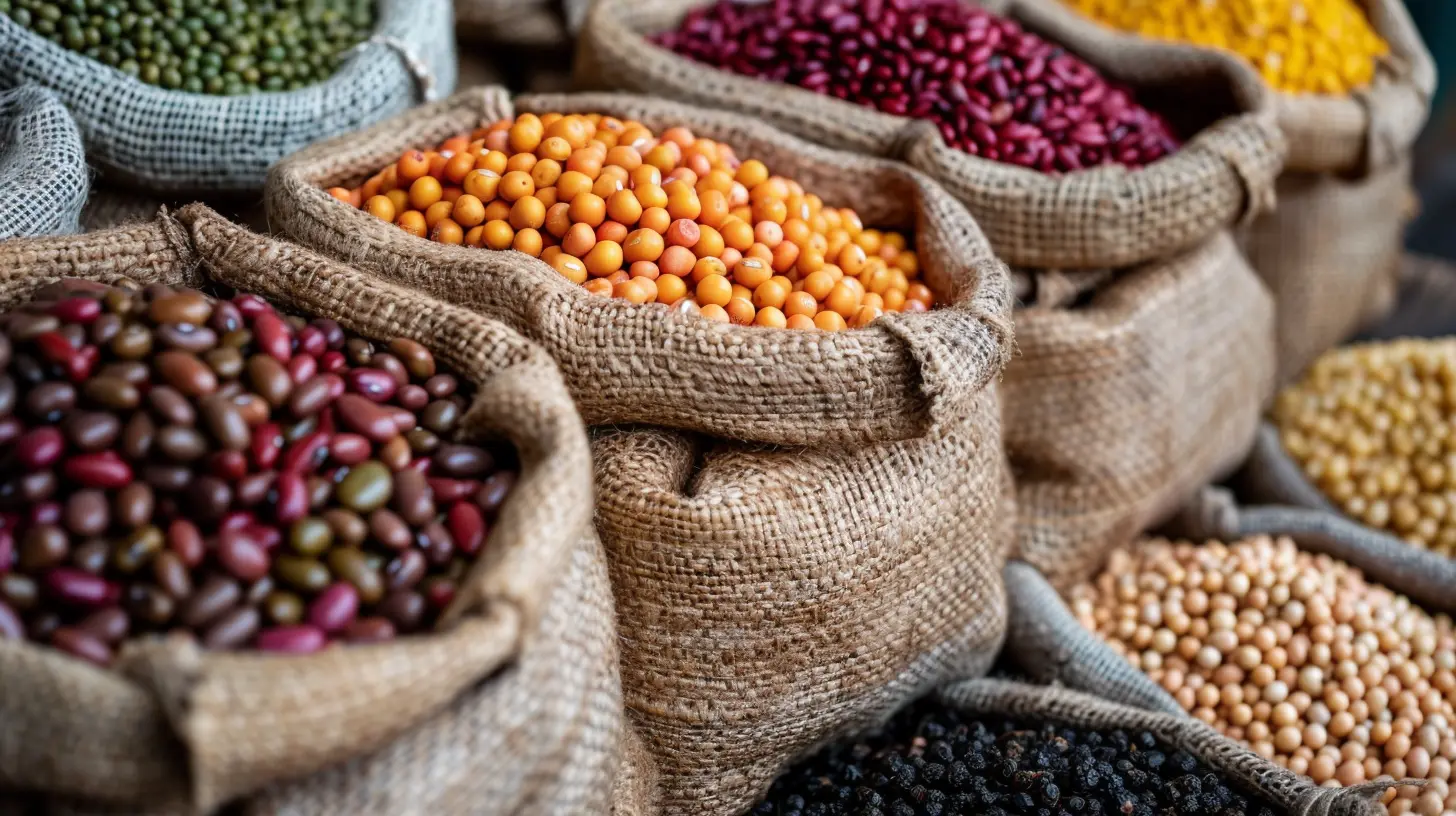
What are Commodities, Anyway?
Okay, before we go too deep, let’s make sure we’re on the same page. Commodities are basic goods used in commerce that are interchangeable with other goods of the same type. Think gold, oil, natural gas, wheat, corn, coffee, and even livestock. These goods are the building blocks of the global economy.When you invest in commodities, you're investing in the raw materials that literally make the world go 'round. That’s pretty cool when you think about it.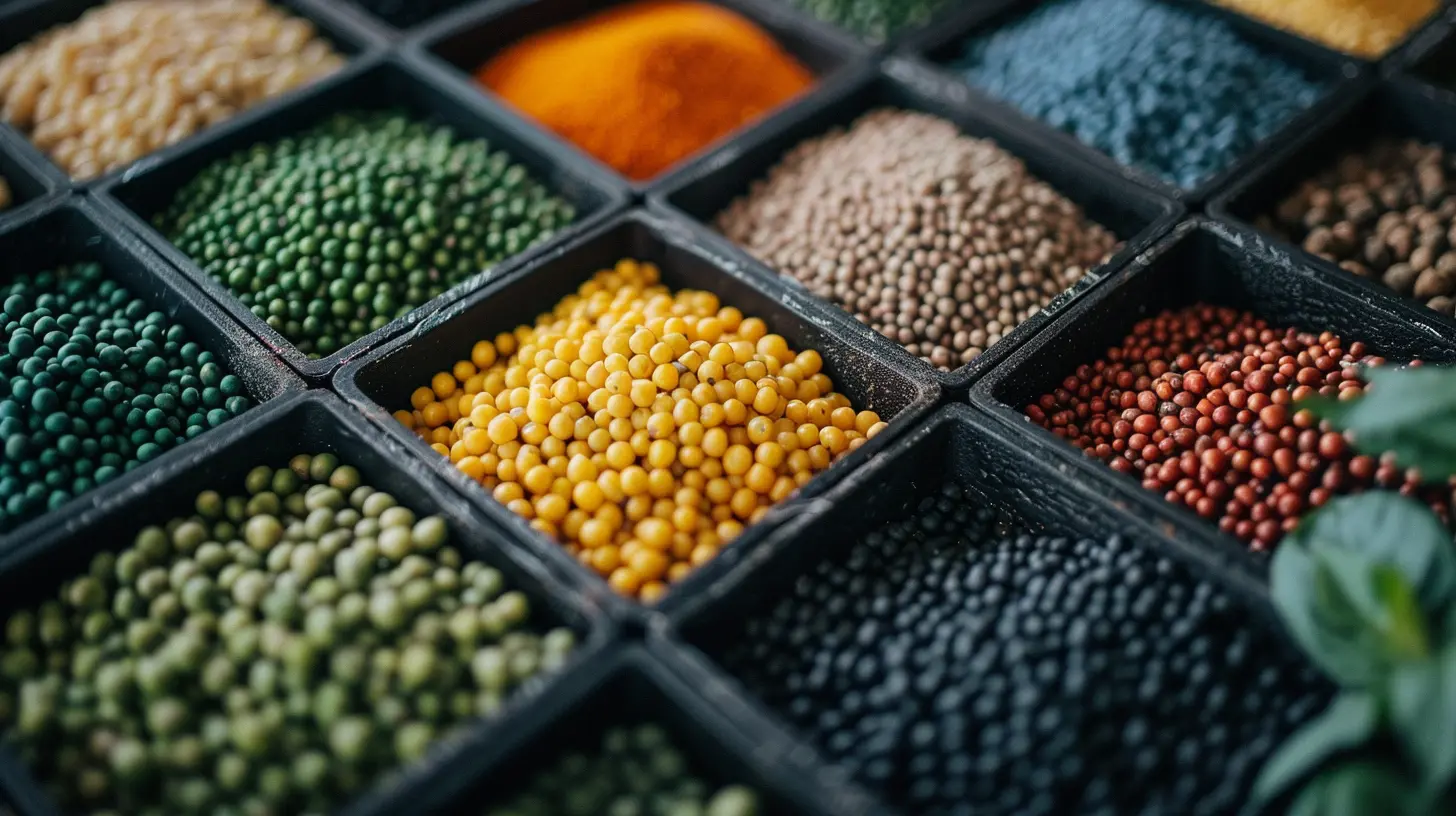
Why Should You Even Consider Commodities?
Great question! You might be thinking, “Why mess with commodities when I’ve got my trusty stock portfolio?” And hey, stocks are awesome, but putting all your eggs in one basket? That’s a risky business.Here's the thing: commodities often move in the opposite direction of stocks. So, when your tech stocks are feeling under the weather, commodities might just be thriving. That’s what makes them such a powerful tool for diversification.
Benefits of Commodities:
- Hedge Against Inflation: When prices rise, commodities usually get more expensive. Boom—your investment goes up.- Diversification: Different markets move differently. Commodities can balance your stock-heavy portfolio.
- Global Demand: As populations grow, so does the demand for resources. More demand = more profit potential.
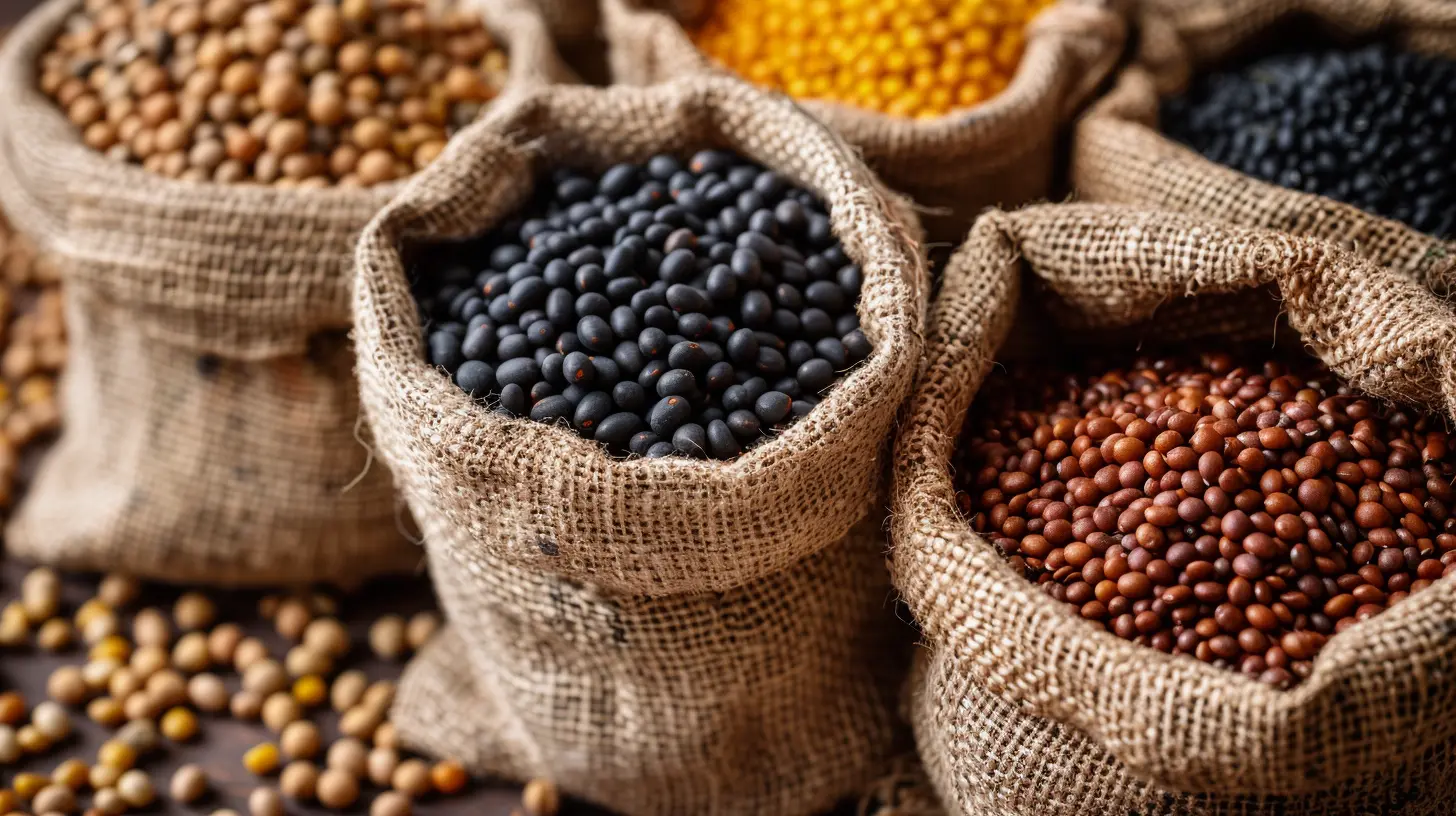
Types of Commodities You Can Invest In
There’s a whole world of commodities out there. Let’s break it down into two main types:1. Hard Commodities
These are natural resources that are mined or extracted. This includes:- Precious Metals – Gold, silver, platinum. Often act as “safe haven” investments.
- Energy – Crude oil, natural gas. These are essential for, well, just about everything.
2. Soft Commodities
These are agricultural products or livestock. We’re talking:- Grains – Wheat, corn, soybeans.
- Livestock – Cattle, hogs.
- Other Crops – Coffee, sugar, cotton.
Yes, your morning cup of joe is part of a whole investment category. Who knew?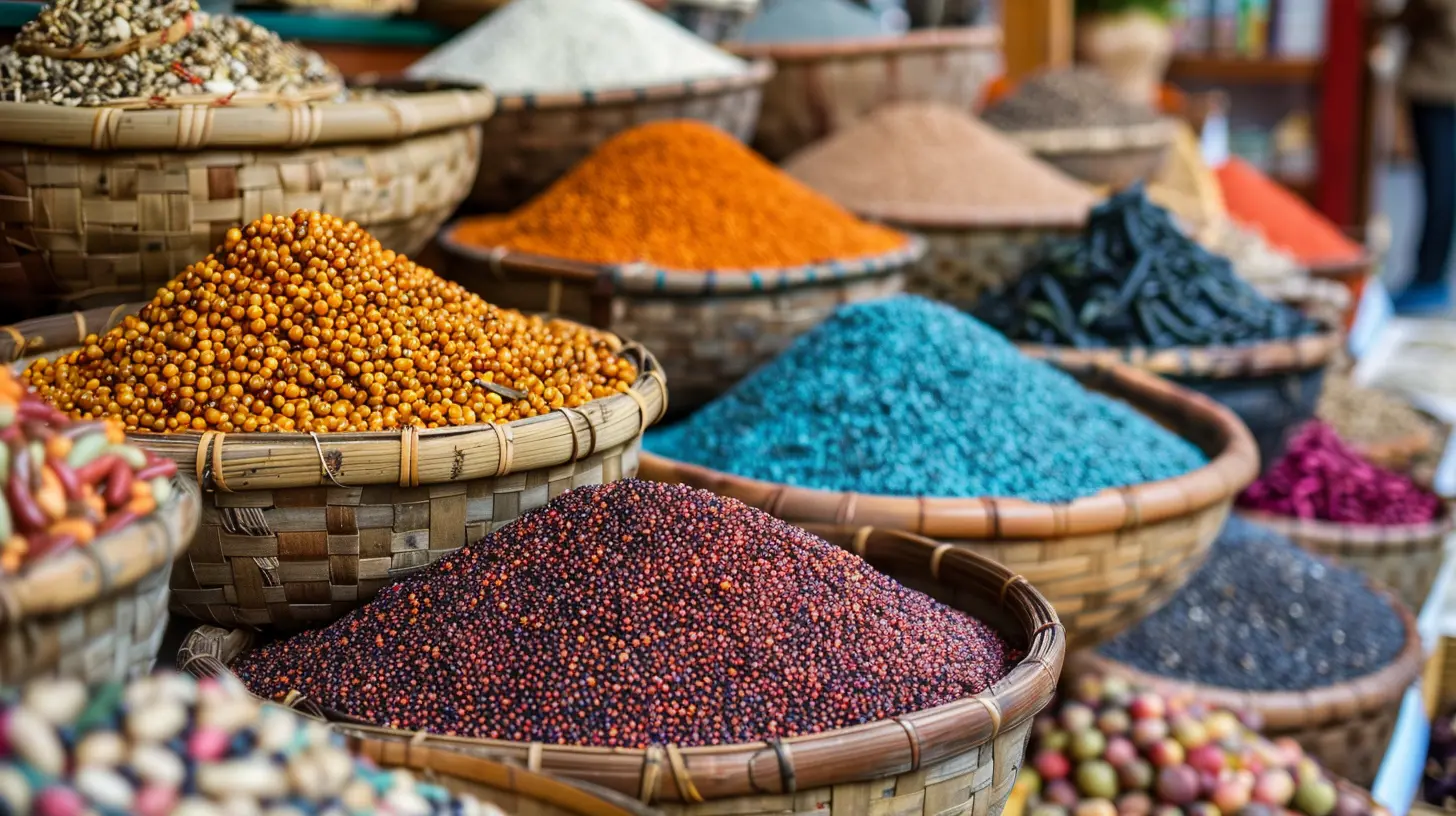
How to Invest in Commodities
Now we’re getting to the juicy part. Just like there’s more than one way to eat an avocado (guacamole, hello!), there’s more than one way to invest in commodities.1. Commodity Futures
This is for the brave-hearted. Futures are contracts to buy or sell a specific commodity at a set price on a future date. It’s high risk, high reward—and not really beginner-friendly. One wrong move and bam, you’re out big time.2. Commodity ETFs and Mutual Funds
Way more friendly for most of us. ETFs (Exchange-Traded Funds) allow you to invest in a bundle of commodities or companies in the commodity business. It’s like buying a variety pack instead of a single flavor. Less risky, more diverse.3. Stocks of Commodity Companies
You can also invest in companies that deal directly with commodities. Think mining companies (for metals), oil companies, or agriculture giants. This lets you ride the wave of commodity prices without dealing with futures contracts.4. Physical Commodities
Want to stack gold bars under your mattress? You can do that. People buy physical commodities like gold, silver, or even barrels of oil (although storing oil in your garage might be messy). It’s tangible, but also has its risks—like theft or degradation.Risks to Watch Out For
Let’s keep it real—no investment is without risk, and commodities are no exception.1. Volatility
Commodity prices can swing harder than a wrecking ball. Weather, politics, war, and economics all affect supply and demand, which can lead to big price shifts.2. Leverage (Especially in Futures)
Using borrowed money to invest sounds tempting, but it amplifies both gains and losses. You could dig a gold mine… or fall into a financial sinkhole.3. Storage and Insurance Costs (Physical Commodities)
Gold bars aren’t free to store, and coffee beans don’t stay fresh forever. Physical investments come with real-world logistics.4. Market Knowledge
This isn’t exactly beginner-level stuff. Understanding what makes a commodity tick—weather forecasts, global demand, geopolitics—is key.When Is the Right Time to Invest in Commodities?
Ah, the million-dollar question (or should we say, million-barrel question?).There’s no one-size-fits-all answer, but traditionally, commodities shine when:
- Inflation is rising
- The dollar is weakening
- The global economy is heating up
- Stock markets are volatile
Basically, when things are looking a bit chaotic, commodities often become the calm in the storm.
How Much of Your Portfolio Should Be in Commodities?
Let’s not go overboard here. While commodities are a great diversification tool, most experts suggest keeping them to around 5% to 10% of your total portfolio.Think of commodities like hot sauce. A little adds flavor and spice. Too much, and you’re sweating through your shirt at the dinner table.
Real-Life Examples: Commodities in Action
Let’s put theory into practice. Suppose you’re heavily invested in tech stocks. The market crashes because of a chip shortage, and boom—your portfolio takes a hit.But wait! You also hold shares in a gold ETF. Because investors often flock to gold when things get rocky, your gold investment rises. The losses from your tech stocks are softened by your smart commodity play.
See? Diversification in action.
Tips for Commodity Investing Newbies
If you're just dipping your toes into the commodity pool, here are a few golden nuggets to keep things smooth:1. Start Small – No need to go all in. Test the waters with ETFs or stocks.
2. Do Your Homework – Follow commodity news, understand what moves prices.
3. Use a Robo-Advisor or Financial Planner – If you're ever unsure, get a pro on your side.
4. Diversify Within Commodities Too – Don’t just buy gold and call it a day. Spread across sectors—energy, metals, agriculture.
The Bottom Line
Investing in commodities might not be the first thing that comes to mind, but it's definitely a savvy move if you’re serious about diversification. It's like adding a new instrument to your investment orchestra. You don’t have to become a trading guru or build a bunker filled with barrels of oil. But having a slice of your pie in commodities? That’s a smart hedging strategy.So, whether you're after that shiny gold, the ever-essential oil, or the humble corn kernel, there's a commodity out there waiting to add some balance (and maybe a little excitement) to your portfolio.
Ready to shake things up in your investments? That dusty top-shelf item just might be your next best move.
all images in this post were generated using AI tools
Category:
Investing StrategiesAuthor:

Eric McGuffey
Discussion
rate this article
1 comments
Nora Baker
Oh great, another guide on commodities. Because who wouldn't want to dive into a world of unpredictable prices and global supply chain drama? Just what I need to spice up my Saturday night. Forget Netflix, let's analyze corn futures instead... Sounds like a real thrill ride, right?
June 23, 2026 at 7:20 PM