Planning a Joyful Yet Affordable Holiday Meal
13 November 2026
Holiday meals are a time for gathering, celebration, and, often, a significant financial burden. The joy of sharing a meal with loved ones can be overshadowed by the stress of budgeting and the pressure to create a memorable feast. However, with careful planning and a few strategic choices, you can prepare a delightful holiday meal that doesn't break the bank. This article will guide you through the process, offering practical advice, creative ideas, and insights into making the most of your holiday dining experience.
Understanding Your Budget
Setting a Realistic Budget
Before you begin planning your holiday meal, it's essential to establish a budget that reflects your financial situation. Consider the following:1. Determine Total Spending Limit: Decide how much you can afford to spend overall. This number should include food, drinks, decorations, and any other related expenses.
2. Break Down Costs: Allocate specific amounts to different categories. For instance, you might set aside 60% for food, 20% for drinks, and 20% for decorations.
3. Account for Guests: If you're hosting a large gathering, factor in the number of guests. A larger group may require bulk purchasing, which can sometimes save money.
Common Budgeting Mistakes
When planning your meal, avoid these pitfalls:- Underestimating Costs: Many people overlook small expenses like spices, condiments, and garnishes. Keep a detailed list to ensure nothing is forgotten.
- Ignoring Sales and Discounts: Prices for holiday staples can vary significantly. Take advantage of sales, coupons, and loyalty programs to maximize your budget.
- Not Planning for Leftovers: Consider how you'll use leftovers. They can extend your meal and reduce waste, making your spending more efficient.
Menu Planning
Crafting a Balanced Menu
A well-planned menu is key to a successful holiday meal. Here are some steps to guide you:1. Choose a Theme: Whether it's traditional, international, or a fusion of cuisines, a theme can streamline your choices and make the meal more cohesive.
2. Select Signature Dishes: Pick a few standout dishes that will impress your guests. These could be family recipes or new creations that showcase your culinary skills.
3. Balance the Meal: Ensure a variety of flavors and textures. A good mix of proteins, vegetables, and carbohydrates keeps the meal interesting and appealing.
Seasonal and Local Ingredients
Using seasonal and local ingredients not only enhances the flavor of your dishes but also often reduces costs. Consider these points:- Visit Local Farmers Markets: Fresh produce can be more affordable and flavorful. Plus, supporting local farmers can contribute to your community.
- Plan Around Seasonal Offerings: Research what fruits and vegetables are in season during your holiday. For example, root vegetables and winter squashes are usually economical and versatile.
Creative Alternatives
If traditional dishes are too costly, think outside the box. Here are some alternatives:- Substitute Ingredients: If a recipe calls for an expensive cut of meat, consider using a less costly option that can be just as delicious when prepared correctly.
- Emphasize Vegetables: Dishes that highlight seasonal vegetables can reduce meat consumption while still being hearty and satisfying.
- Potluck Style: Invite guests to bring a dish. This not only eases your financial burden but also adds variety to the meal.
Shopping Smart
Creating a Shopping List
A well-organized shopping list is crucial for staying within budget. Follow these tips:1. Inventory Check: Before shopping, check your pantry and fridge for items you already have.
2. Categorize Your List: Organize your list by sections of the store (produce, dairy, etc.) to save time and avoid impulse buys.
3. Stick to the List: Resist the temptation to buy items not on your list. This helps prevent overspending.
Timing Your Shopping
The timing of your shopping trip can significantly impact prices and availability. Consider these strategies:- Shop Early: Some items may sell out as the holiday approaches. Shopping early ensures you get what you need.
- Use Online Grocery Services: Many grocery stores offer online shopping, which can help you compare prices and avoid impulse buys.
- Buy in Bulk: For non-perishable items, consider purchasing in bulk to save money. Just make sure you have the storage space.
Preparation and Cooking
Efficient Meal Prep
Preparing a holiday meal can be overwhelming. Here are some tips to streamline the process:1. Plan Ahead: Create a timeline for meal preparation. Identify which dishes can be made in advance and which need to be prepared on the day of the event.
2. Delegate Tasks: If you have guests who are willing to help, delegate tasks. This not only lightens your workload but can also be a fun way to involve everyone.
3. Use Time-Saving Techniques: Consider using a slow cooker or pressure cooker for certain dishes. These appliances can save time and effort.
Cooking Techniques
Different cooking methods can impact both flavor and cost:- Roasting vs. Grilling: Roasting often requires less active time than grilling, allowing you to focus on other tasks while the food cooks.
- One-Pot Meals: Consider dishes that can be made in one pot. They are often easier to prepare and clean up afterward.
- Batch Cooking: If you have time, consider making larger quantities of certain dishes. They can be frozen for future meals, stretching your budget further.
Setting the Table
Creating a Festive Atmosphere
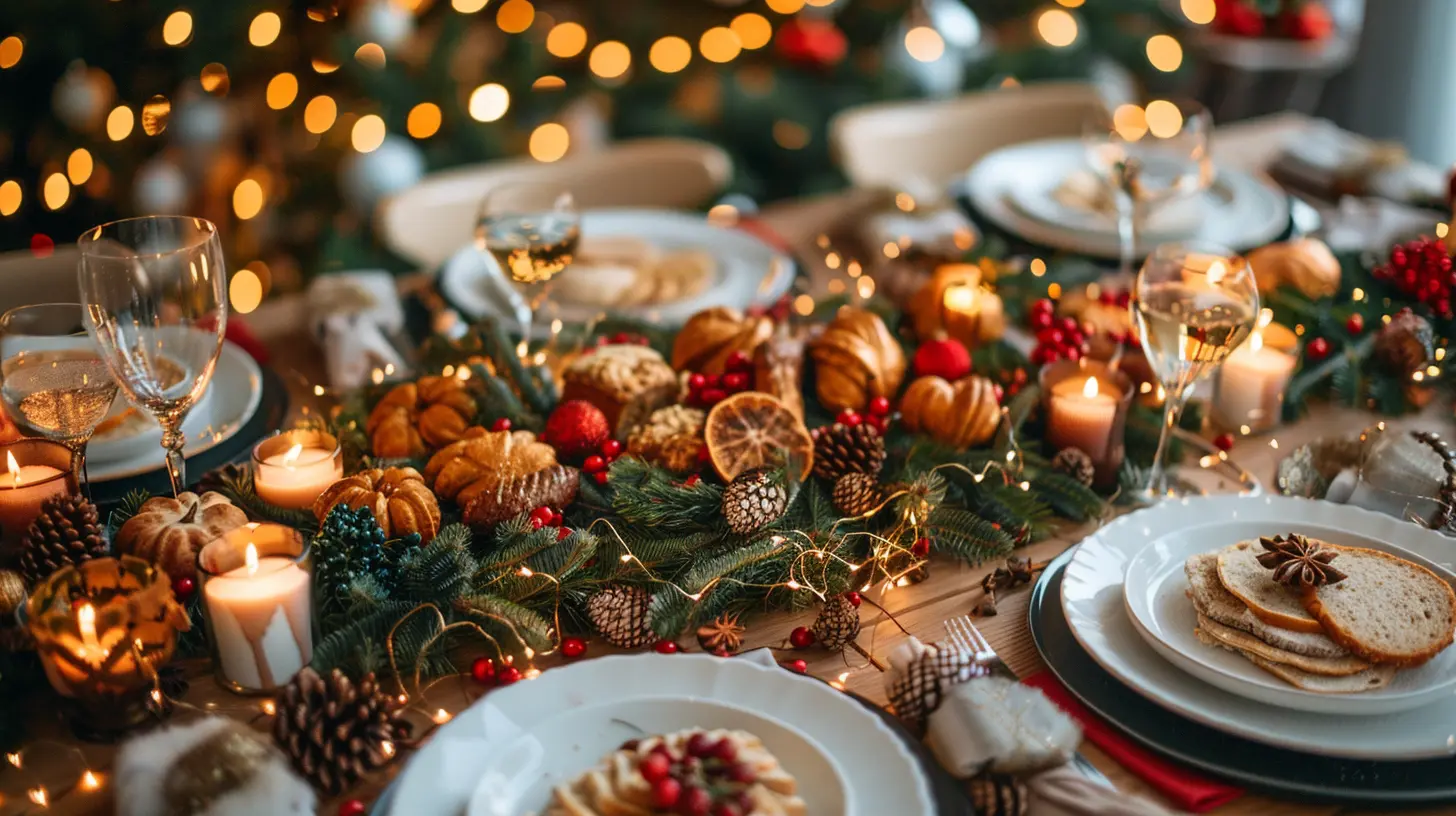
The ambiance of your meal can enhance the overall experience. Here are some ideas for creating a festive atmosphere without overspending:1. DIY Decorations: Use natural elements like pinecones, branches, or seasonal fruits to create simple yet elegant centerpieces.
2. Use What You Have: Repurpose items you already own, such as using your best dishes or table linens to add a special touch.
3. Lighting: Simple candles can create a warm, inviting atmosphere. Consider using string lights for a cozy feel.
Seating Arrangements
Thoughtful seating arrangements can make your meal more enjoyable. Consider these factors:- Mix Guests: Encourage mingling by mixing up guests rather than seating families together. This can spark interesting conversations.
- Comfort Matters: Ensure everyone has enough space at the table. A cramped setting can detract from the experience.
Enjoying the Meal
Mindful Dining
Encourage your guests to savor the meal. Here are some tips for fostering a mindful dining experience:- Slow Down: Remind everyone to take their time, enjoying each dish rather than rushing through the meal.
- Share Stories: Incorporate storytelling into the meal. Sharing memories related to the food can enhance the experience.
Managing Leftovers
Leftovers can be a valuable asset if managed correctly. Here's how to make the most of them:1. Storage: Use airtight containers to store leftovers. Label them with dates to keep track of freshness.
2. Creative Repurposing: Plan meals that can incorporate leftovers. For example, roasted vegetables can be turned into soups or salads.
3. Freeze Wisely: If you have more food than you can consume, consider freezing portions for later use. This can save time and money in the future.
Conclusion
Planning a joyful yet affordable holiday meal requires thoughtful preparation, creativity, and a focus on what truly matters-spending time with loved ones. By setting a clear budget, crafting a balanced menu, shopping smart, and preparing efficiently, you can create a memorable dining experience that brings people together without causing financial stress. Remember, the heart of the holiday meal lies in the connections made around the table, not in the price tag of the ingredients.
all images in this post were generated using AI tools
Category:
Holiday SpendingAuthor:

Eric McGuffey

