What You Should Know About Judicial vs. Non-Judicial Foreclosures
13 August 2026
If you're a homeowner facing foreclosure or just someone looking to understand how foreclosures work, you're in the right place. The idea of losing a home is frightening, and the legal jargon surrounding foreclosures can make things even more confusing. But don’t worry—I’ll break it all down for you in simple terms.
There are two main types of foreclosure processes in the U.S.: judicial and non-judicial foreclosure. Each has its own set of rules, timelines, and consequences. Knowing the difference between these two can help homeowners, buyers, and investors navigate the process more confidently.
So, grab a cup of coffee, sit back, and let’s demystify judicial and non-judicial foreclosures together. 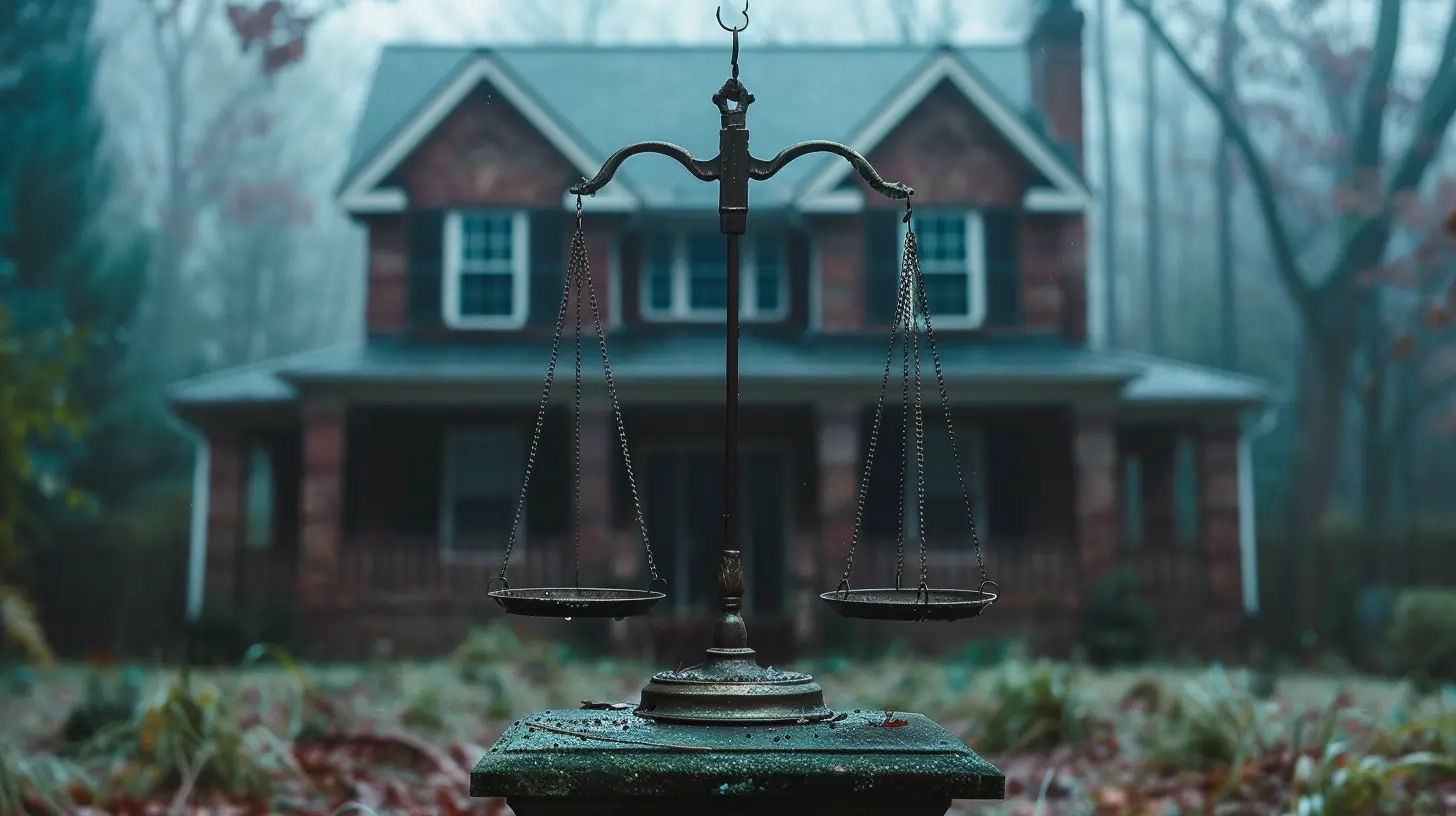
What Is Foreclosure?
Before diving into the differences, let’s first define what foreclosure is.Foreclosure happens when a homeowner fails to make mortgage payments, and as a result, the lender takes action to recover their money. The lender does this by forcing the sale of the property. It’s their way of saying, “If you can’t pay, we need to take back what’s ours.”
Lenders use foreclosure to minimize their losses when borrowers default on their loans. Depending on the state you live in, the foreclosure process can be either judicial or non-judicial—and that’s what we’re here to talk about. 
Judicial Foreclosure
What Is Judicial Foreclosure?
Judicial foreclosure is exactly what it sounds like—a foreclosure that goes through the court system. The lender must file a lawsuit against the homeowner, and the court oversees the process.This type of foreclosure is mandatory in some states and is typically used when the mortgage agreement doesn’t include a power of sale clause (more on that later). The process ensures that homeowners have the opportunity to respond before losing their homes.
How Does Judicial Foreclosure Work?
Here’s a step-by-step breakdown of what happens in a judicial foreclosure:1. The Lender Files a Lawsuit – If a borrower falls behind on payments, the lender sues them in court.
2. Homeowner Gets Notified – The borrower receives a foreclosure complaint and must respond, typically within 20-30 days. If they don’t respond, the court will automatically rule in favor of the lender.
3. Court Decision – If the borrower contests the foreclosure, the case goes to trial. If the court rules in favor of the lender, a foreclosure judgment is issued.
4. Public Auction – Once the judgment is passed, the property is scheduled for a public auction where the highest bidder wins the home.
5. Redemption Period (In Some States) – Some states allow homeowners a redemption period where they can pay what’s owed and reclaim the home.
6. Eviction – If the homeowner doesn’t leave voluntarily, the new owner (or lender) can initiate an eviction.
Pros and Cons of Judicial Foreclosures
✅ Pros
- More time for homeowners – Since the process goes through the court, it takes longer, giving homeowners time to find alternatives.- Legal protections – Courts review the case, which ensures fair treatment and reduces wrongful foreclosures.
- Possibility of a deficiency judgment – Lenders can sue borrowers for the remaining balance if the home sells for less than what’s owed.
❌ Cons
- Time-consuming – The process can take months or even years, which may not be ideal for those wanting a quick resolution.- Legal fees – Both lenders and homeowners may have to deal with hefty legal costs.
- Public record – Foreclosures are court cases, meaning they stay on public record and impact credit scores significantly.

Non-Judicial Foreclosure
What Is Non-Judicial Foreclosure?
Non-judicial foreclosure skips the court system altogether. Instead, the lender follows a process outlined in the deed of trust or mortgage agreement, which usually includes a power of sale clause. This clause allows the lender to sell the property if the borrower defaults, without needing court approval.This process is faster, cheaper, and more common in certain states where lenders and homeowners agree upfront to bypass the courts if foreclosure ever occurs.
How Does Non-Judicial Foreclosure Work?
1. Notice of Default (NOD) Issued – Once a borrower falls behind on payments, the lender sends a Notice of Default.2. Waiting Period – Borrowers usually have 30-120 days to catch up on payments before the lender moves forward.
3. Notice of Trustee’s Sale – If the borrower doesn’t pay, the lender announces the foreclosure sale via public notice.
4. Auction – The property is sold at a public auction to the highest bidder. If no one buys it, the lender takes ownership.
5. Eviction – If the borrower hasn’t vacated, the new owner can initiate eviction.
Pros and Cons of Non-Judicial Foreclosures
✅ Pros
- Faster process – Lenders don’t need court approval, so the process is quicker (usually a few months).- Lower costs – No legal battles mean lower costs for lenders, which sometimes benefits borrowers too.
- Less damage to credit – Because the process moves swiftly, borrowers may recover financially sooner.
❌ Cons
- Limited homeowner protections – Without court oversight, wrongful foreclosures can happen.- No redemption period – In many states, borrowers don’t get a chance to reclaim their home after an auction.
- Less time to respond – Since the process moves quickly, homeowners have very little time to negotiate.
Key Differences Between Judicial and Non-Judicial Foreclosures
| Feature | Judicial Foreclosure | Non-Judicial Foreclosure ||--------------------|---------------------------|---------------------------|
| Court Involvement | Required | Not required |
| Timeframe | Longer (months to years) | Shorter (a few months) |
| Cost | Higher legal fees | Lower costs |
| Homeowner Protections | Stronger protections | Fewer protections |
| Redemption Period | Available in some states | Rarely available |
Which States Use Which Process?
Whether a foreclosure is judicial or non-judicial depends on state laws.States That Primarily Use Judicial Foreclosure
- Florida- New York
- Illinois
- Ohio
- Pennsylvania
- South Carolina
States That Primarily Use Non-Judicial Foreclosure
- California- Texas
- Georgia
- Arizona
- Nevada
- Tennessee
Some states, like Colorado and Idaho, allow both processes depending on the loan agreement.
Can You Stop a Foreclosure?
Absolutely! If you’re at risk of foreclosure, you have options:- Loan Modification – Work with your lender to adjust the terms of your loan.
- Short Sale – Sell your home for less than what you owe to avoid foreclosure.
- Bankruptcy – Filing for bankruptcy can delay or stop foreclosure in some cases.
- Repayment Plan – Some lenders allow borrowers to catch up on missed payments over time.
The key is acting fast—the longer you wait, the fewer options you’ll have.
Final Thoughts
Foreclosure is never an easy situation, but understanding the difference between judicial and non-judicial foreclosure can help homeowners and investors make informed decisions.If you’re a homeowner facing foreclosure, don’t panic—there are ways to fight back. Seek legal advice, explore options, and communicate with your lender. And if you're an investor, understanding these foreclosure methods can help you identify opportunities in the real estate market.
Remember, knowledge is power. The more you understand foreclosure laws in your state, the better prepared you'll be to navigate this challenging process.
all images in this post were generated using AI tools
Category:
Foreclosure PreventionAuthor:

Eric McGuffey
Discussion
rate this article
1 comments
Susan Newton
Understanding the differences between judicial and non-judicial foreclosures can significantly impact your financial decisions and security.
August 28, 2026 at 2:19 AM
Eric McGuffey
Absolutely, knowing the differences can help you make informed choices and protect your assets.