Jamie Dimon Reiterates Commitment to Office Return Despite Controversial Remarks
February 25, 2025 - 12:18

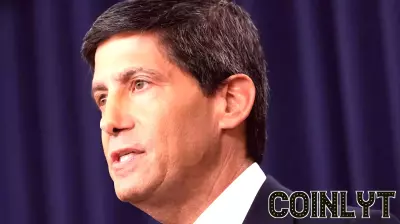
JPMorgan Chase CEO Jamie Dimon addressed employees on Monday, expressing remorse over the strong language he used in a recent town hall meeting that was leaked to the public. Despite acknowledging his choice of words, Dimon remained firm in his stance that employees are expected to return to the office full-time, five days a week.
During the meeting, Dimon emphasized the importance of in-person collaboration and maintaining a strong company culture, arguing that physical presence fosters better teamwork and innovation. He believes that being in the office allows for more effective communication and strengthens relationships among colleagues.
The CEO's comments come amidst ongoing debates about remote work and its impact on productivity and corporate culture. While some employees have embraced the flexibility of remote work, Dimon’s message underscores a commitment to traditional office dynamics as the company navigates the evolving landscape of work. The return-to-office policy reflects JPMorgan's broader strategy to adapt and thrive in a competitive environment.
MORE NEWS

October 28, 2026 - 00:51
Rising Oil Prices Put Pressure on Latin American BudgetsOil prices trading above the levels assumed in 2026 budget planning are creating financial strain for governments across Latin America, and three charts help explain why the effect runs in both...

October 27, 2026 - 05:39
Craven Community College and SECU Team Up for Student Financial Literacy EventCraven Community College is working with State Employees` Credit Union to help students build stronger money skills through its annual Reality of Money event, scheduled for Tuesday, October 14, in...
October 26, 2026 - 03:34
Fed Likely to Keep Rates Unchanged This Week Despite Stubborn InflationThe Federal Reserve is expected to leave its benchmark interest rate unchanged at this week`s policy meeting, even as recent inflation readings have come in hotter than officials would like. The...

October 25, 2026 - 07:12
Cincinnati Financial Set to Release Earnings MondayProperty casualty insurer Cincinnati Financial (NASDAQ:CINF) will report its latest quarterly earnings this Monday after market hours. Investors will be watching closely for signs of how the...