Nigeria Plans Diverse Financial Strategies to Address Budget Deficit
January 24, 2025 - 15:28
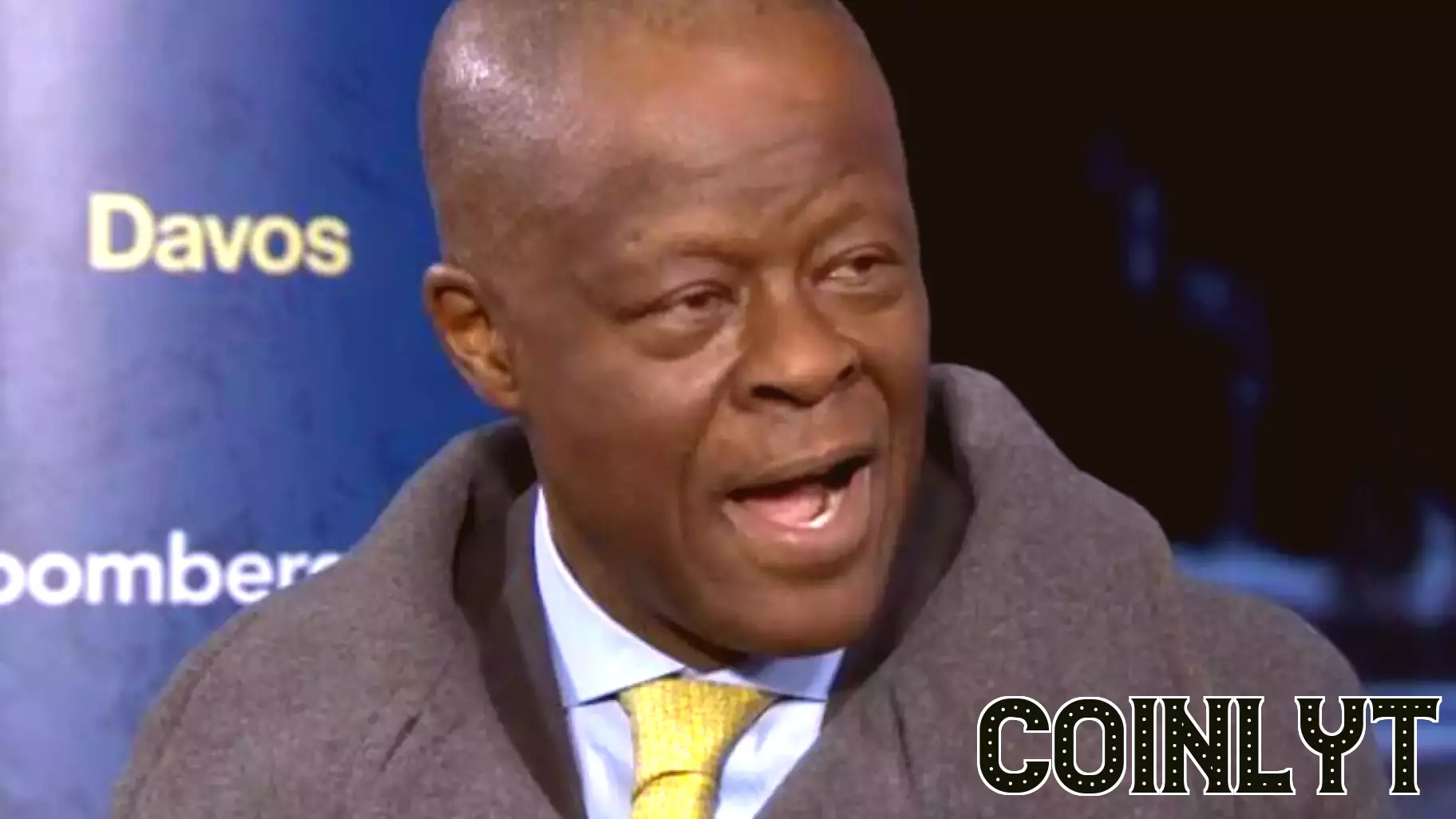
Nigeria’s Finance Minister Wale Edun has announced that the country, recognized as Africa’s largest oil producer, will explore a variety of financial instruments to address its budget deficit for the year. The deficit is projected to be around 3.9% of the nation’s gross domestic product (GDP).
In a bid to stabilize the economy and enhance fiscal health, the government is considering multiple funding avenues, including loans, bonds, and other financial mechanisms. This strategic approach aims to ensure that the country can meet its financial obligations while fostering economic growth.
Edun emphasized the importance of these measures in the context of Nigeria's broader economic challenges, which include fluctuating oil prices and rising inflation. By diversifying its financial strategies, the Nigerian government hopes to create a more resilient economic framework that can withstand external shocks and support sustainable development initiatives moving forward.
MORE NEWS

October 27, 2026 - 05:39
Craven Community College and SECU Team Up for Student Financial Literacy EventCraven Community College is working with State Employees` Credit Union to help students build stronger money skills through its annual Reality of Money event, scheduled for Tuesday, October 14, in...
October 26, 2026 - 03:34
Fed Likely to Keep Rates Unchanged This Week Despite Stubborn InflationThe Federal Reserve is expected to leave its benchmark interest rate unchanged at this week`s policy meeting, even as recent inflation readings have come in hotter than officials would like. The...

October 25, 2026 - 07:12
Cincinnati Financial Set to Release Earnings MondayProperty casualty insurer Cincinnati Financial (NASDAQ:CINF) will report its latest quarterly earnings this Monday after market hours. Investors will be watching closely for signs of how the...
October 24, 2026 - 18:20
Power Supply Deals Might Change The Case For Investing In GE Vernova Stock (GEV)Venture Global announced multi-year frame agreements with GE Vernova and Baker Hughes for up to 16 new 720 MW gas-fired power island units and grid equipment. The hardware will supply behind the...