Record-Breaking Disaster Spending in the US
May 10, 2025 - 00:13
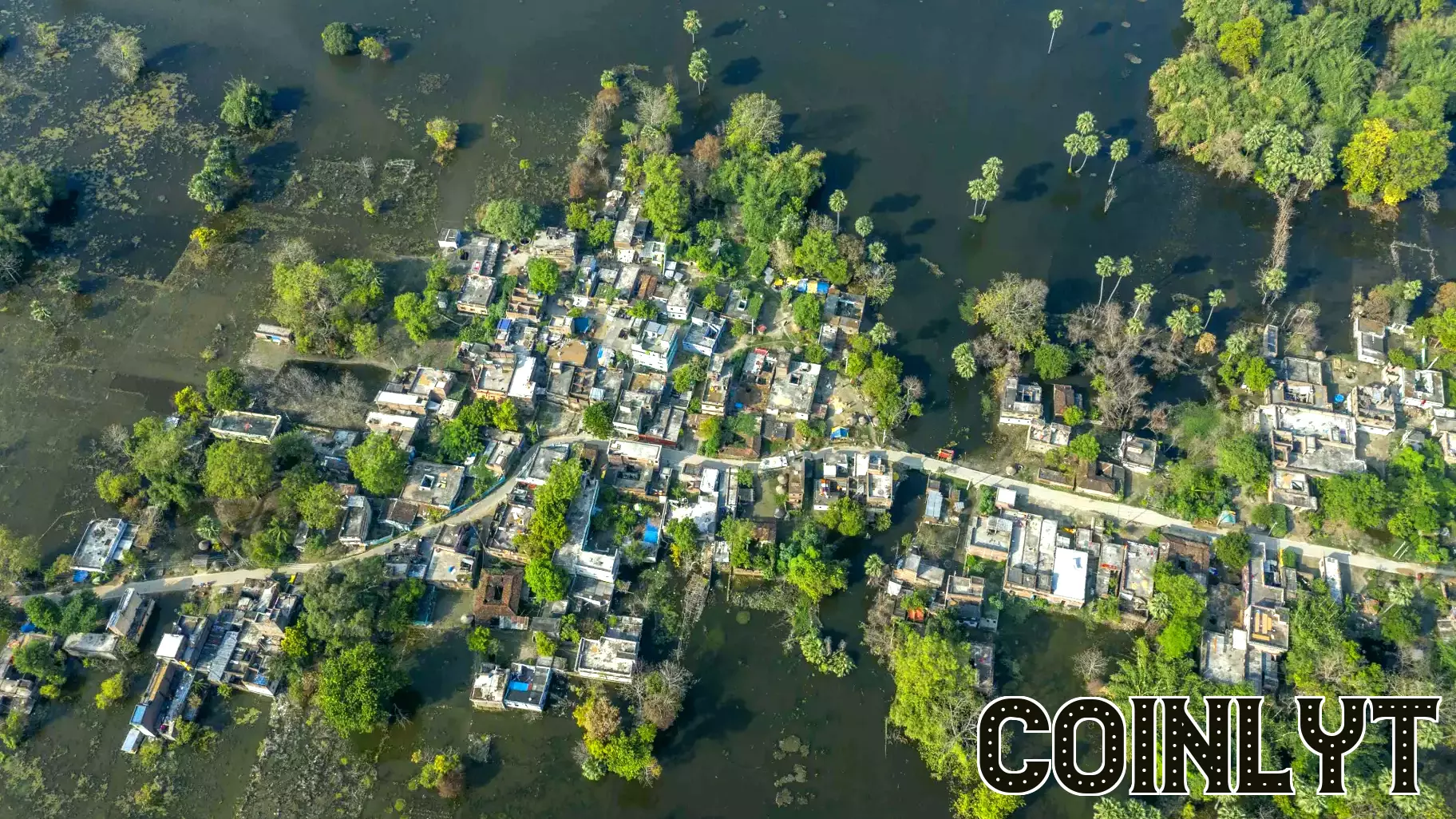
In an alarming development, US disaster costs have surged to an unprecedented $1 trillion over the past year, driven by an increase in natural disasters such as wildfires and hurricanes. This staggering figure represents more than 3% of the nation’s Gross Domestic Product (GDP), highlighting the severe economic impact of these catastrophic events.
The financial burden of disaster spending is significant, as it diverts approximately $80 billion each month from other areas of economic activity. This diversion not only strains public resources but also affects investments in infrastructure, education, and healthcare. As climate change continues to exacerbate the frequency and intensity of natural disasters, the financial implications for both the government and citizens are expected to grow.
Policymakers are now faced with the challenge of addressing these rising costs while ensuring that essential services and economic stability are maintained. The situation calls for innovative solutions and a reevaluation of disaster preparedness and response strategies to mitigate future financial impacts.
MORE NEWS

October 4, 2026 - 18:37
Mountain Scholars program shifts financial management to CMC FoundationThe Mountain Scholars program, which provides support for first-generation college students in Summit County, will begin a new chapter this fall. The Colorado Mountain College Foundation is set to...

October 4, 2026 - 10:00
Single Mother Earns $100,000 in a Year Through Superannuation StrategyA single mother from Australia has managed to earn $100,000 within just 12 months by taking a hands-on approach to her superannuation, a move that reflects a broader shift in how people are...

October 3, 2026 - 21:26
The Coming AI Bust Could Trigger a Financial BloodbathThe rapid surge of capital into artificial intelligence infrastructure has created conditions that some analysts compare to a bubble on the verge of bursting. Billions of dollars are being poured...

October 3, 2026 - 07:18
Six Money Rules for Going Freelance Without Burning Your SavingsLeaving a steady paycheck for self-employment looks liberating until the first slow month arrives. Freelancers gain control over their schedules, but they also absorb costs that employers once...