Saskatchewan Finance Minister Makes a Statement with Budget Day Footwear
March 19, 2025 - 05:20
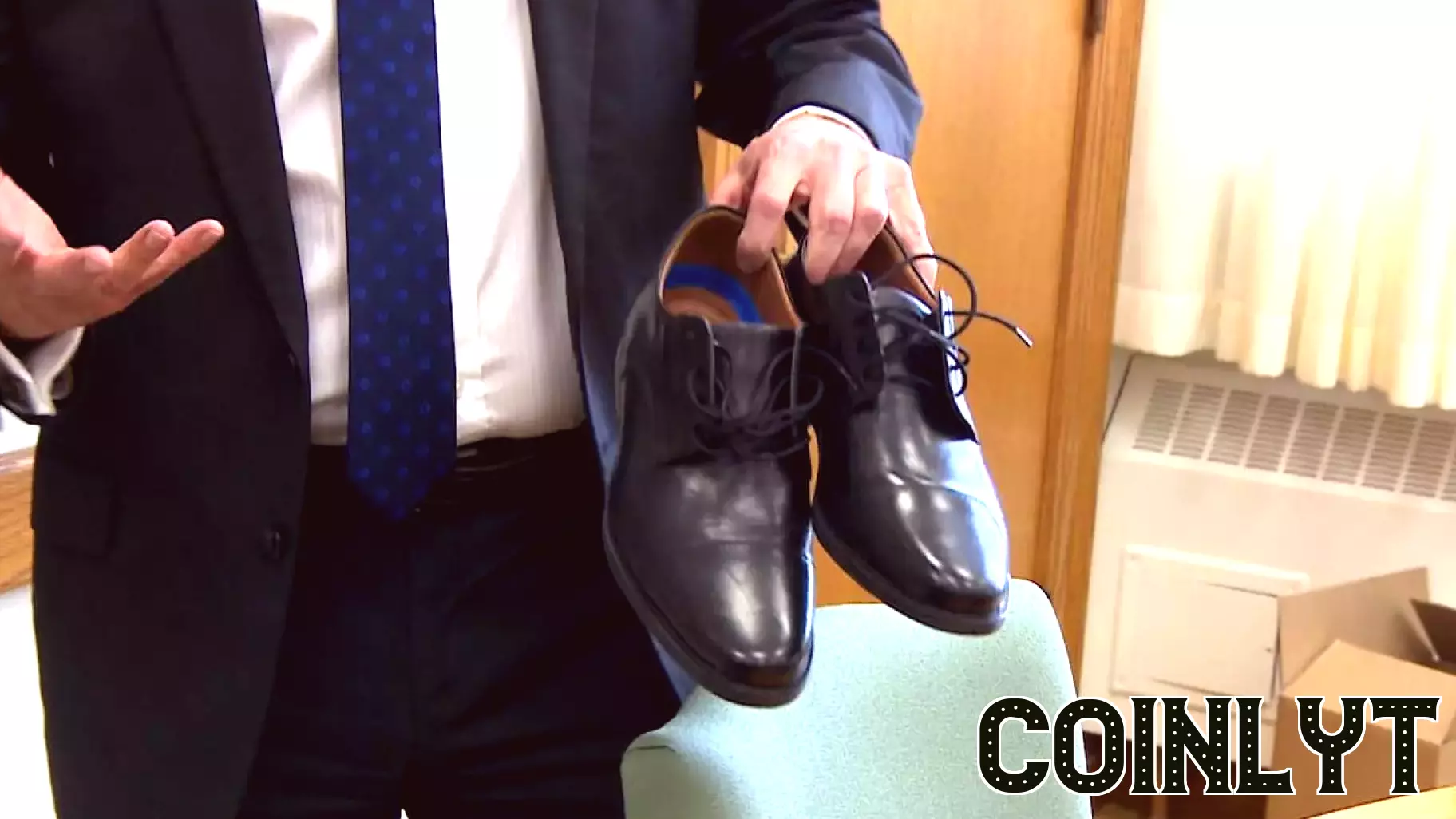
In a unique twist on budget day traditions, Saskatchewan Finance Minister Jim Reiter showcased not just his fiscal plans but also his fashion choices. Each year, Reiter marks the occasion by purchasing a new pair of shoes, a ritual that adds a personal touch to the significant event. This time, however, his choice of footwear carried a deeper message.
Reiter deliberately sought out shoes that were neither made in the United States nor China, signaling a clear stance on the ongoing trade tensions between these economic powerhouses. His decision to avoid products from these countries serves as a commentary on the implications of tariffs and trade policies that have been a hot topic in recent years.
By making this fashion statement, Reiter highlights the interconnectedness of trade and local economies, reminding constituents that even small personal choices can reflect broader economic issues. His actions invite conversations about the impact of global trade on Saskatchewan's economy and the importance of supporting local industries.
MORE NEWS

October 28, 2026 - 00:51
Rising Oil Prices Put Pressure on Latin American BudgetsOil prices trading above the levels assumed in 2026 budget planning are creating financial strain for governments across Latin America, and three charts help explain why the effect runs in both...

October 27, 2026 - 05:39
Craven Community College and SECU Team Up for Student Financial Literacy EventCraven Community College is working with State Employees` Credit Union to help students build stronger money skills through its annual Reality of Money event, scheduled for Tuesday, October 14, in...

October 26, 2026 - 03:34
Fed Likely to Keep Rates Unchanged This Week Despite Stubborn InflationThe Federal Reserve is expected to leave its benchmark interest rate unchanged at this week`s policy meeting, even as recent inflation readings have come in hotter than officials would like. The...

October 25, 2026 - 07:12
Cincinnati Financial Set to Release Earnings MondayProperty casualty insurer Cincinnati Financial (NASDAQ:CINF) will report its latest quarterly earnings this Monday after market hours. Investors will be watching closely for signs of how the...